
I still remember the day everything changed. It was a regular Tuesday morning when my grandfather clutched his stomach, his face turning pale. That urgent hospital visit introduced our family to a word we had never heard before: diverticulitis. The doctor explained how small pouches in his colon had become inflamed, causing severe pain and digestive problems. That diagnosis sent my family into research mode, and we started documenting everything in a notebook, the same one we had used for years to record home remedies and health discoveries.
What I learned from careful notes and our family’s experience managing diverticulitis has helped many others. Today, I am sharing this knowledge with you because understanding which foods to avoid during a diverticulitis flare can make the difference between long suffering and quick recovery. This is not just medical advice. It is wisdom gained through real experience, careful watching, and genuine care for those dealing with this painful condition.
What You Need to Know Right Now
During a diverticulitis flare-up, your colon needs rest. Think of it like giving a sprained ankle time to heal. You would not run a marathon on it. The same idea applies here. Avoid these seven types of foods for now:
- Raw fruits and vegetables with skins or seeds
- Beans and legumes
- Whole grains and bran
- Nuts, seeds, and popcorn
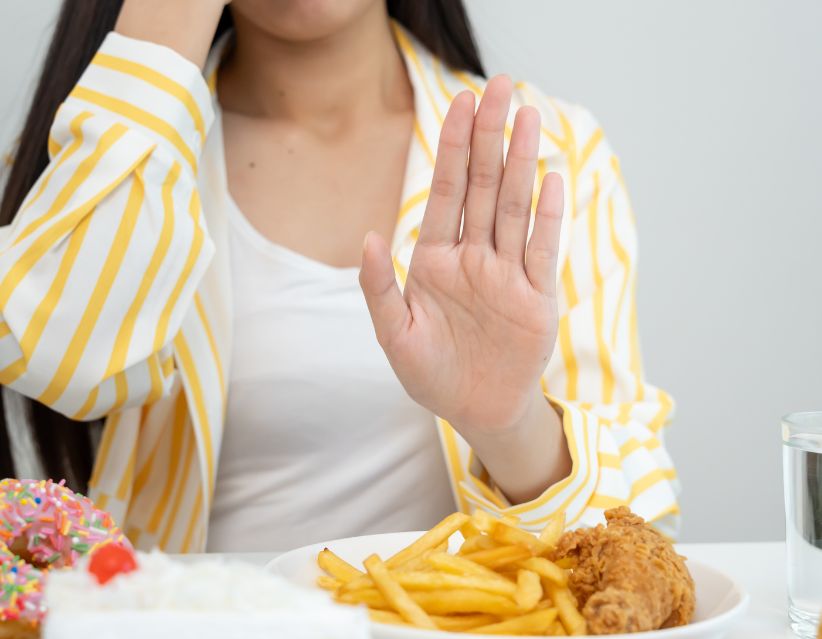
- Spicy and fried foods
- Red and processed meats
- High-fat dairy products
The goal during an acute flare is following a low-fiber diet or low-residue diet until symptoms get better. Once you recover, slowly add fiber back to prevent future problems.
Why Your Diet Matters During Diverticulitis
When my grandfather was first diagnosed, the gastroenterologist drew us a simple picture. She explained that diverticular disease happens when small pouches form in the wall of your colon. These pouches, called diverticula, are like tiny balloons pushing outward. Most people develop them as they age, and they are usually harmless.
The problem starts when these pouches become inflamed or infected. That is diverticulitis. During a flare, the inflamed tissue needs to heal. High-fiber foods that normally keep your digestive system healthy can actually irritate these inflamed areas, making symptoms like abdominal pain, fever, and changes in bowel movements worse.
Research from the National Institute of Diabetes and Digestive and Kidney Diseases (NIDDK) and Mayo Clinic confirms that switching to a low-fiber or clear liquid diet for a short time allows your colon to rest and recover. It is not forever. Just a healing phase.

The 7 Foods to Avoid During a Diverticulitis Flare
1. Raw Fruits and Vegetables with Skins or Seeds
This was the hardest change for my grandfather, who loved his morning apple. But during a flare-up, the skins and seeds of raw fruits and vegetables can irritate already inflamed pouches. The rough texture and hard-to-digest parts add extra work for your colon when it needs rest.
Avoid for now:
- Raw apples, pears, berries with seeds
- Tomatoes with seeds
- Cucumbers, bell peppers with skins
- Raw broccoli, cauliflower, cabbage
What to eat instead: Peeled, cooked, or canned fruits without seeds. Applesauce became my grandfather’s go-to choice. Well-cooked, soft vegetables without skins like mashed potatoes, cooked carrots, or pureed squash. These give you nutrients without the rough texture.
2. Beans and Legumes
As a vegetarian family, beans and legumes are basics in our kitchen. They are packed with protein and fiber. But that same fiber, while great for preventing problems, becomes an issue during an acute flare. Beans have a lot of insoluble fiber, which adds bulk to stool and can strain an inflamed colon.
Skip during flares:
- Kidney beans, black beans, chickpeas
- Lentils, split peas
- Pinto beans, navy beans
Better choices: During recovery, we focused on well-cooked white rice, refined pasta, and tofu for protein. These are easier to digest and will not irritate sensitive tissue. Once symptoms got better, we slowly brought beans back. They are too good for your health to avoid forever.
3. Whole Grains, Bran, and High-Fiber Cereals
The notebook entry from that first week was clear: no whole grains during flares. Whole grain products have a lot of insoluble fiber. While they are great for digestive health normally, during diverticulitis they create too much activity in an inflamed colon.
Skip for now:
- Whole wheat bread, brown rice
- Bran cereals, oatmeal with added fiber
- Whole grain pasta, quinoa
- Granola, wheat germ
Safe alternatives: Switch to white bread, white rice, and refined cereals. We used cream of wheat for breakfast and white pasta for meals. Yes, it felt odd after years of choosing whole grains, but it is only for a short time. Once healed, slowly go back to high-fiber foods. They actually help stop future flares.
4. Nuts, Seeds, and Popcorn
Here is where old advice meets new research. For years, doctors told patients to never eat nuts, seeds, and popcorn, thinking they could get stuck in diverticula and cause problems. But large studies, including research in JAMA, found no clear connection between these foods and increased risk.
That said, during an active flare-up, these foods can still irritate inflamed tissue because of their texture and how hard they are to digest.
Avoid during active inflammation:
- Almonds, walnuts, cashews, peanuts
- Sunflower seeds, pumpkin seeds, chia seeds
- Popcorn, corn kernels
- Sesame seeds on bread or bagels
The good news: Once you have recovered, you do not need to avoid these forever unless they bother you personally. My grandfather now enjoys almonds regularly. He just avoids them at the first sign of discomfort. Chew well and listen to your body.
5. Spicy and Fried Foods
This one surprised us at first. Spicy foods and fried foods can irritate the digestive tract in many ways. Spicy ingredients can increase inflammation and cause discomfort, while fried foods are high in fat, which slows digestion and can make symptoms like bloating and pain worse.
Stay away from:
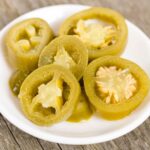
- Hot peppers, chili, curry with heavy spices
- Fried vegetables like pakoras or samosas
- Chips, french fries, fried snacks
- Heavily seasoned or spicy curries
Gentle alternatives: We changed our usual recipes during his recovery. Instead of fried foods, we made steamed or boiled dishes. Mild, lightly seasoned foods replaced our usual spicy cooking. Plain dal without chili, mild vegetable soups, and simple rice dishes became our regular meals.
6. Red Meat and Processed Meats
Though our family is vegetarian, this information is helpful for others. Red meat and processed meats have been linked to increased diverticulitis risk in many studies. These meats are harder to digest, can slow bowel movements, and may increase inflammation.
Research from Cleveland Clinic and NIDDK suggests eating less red and processed meat both during flares and for long-term prevention.
Eat less or avoid:
- Beef, pork, lamb
- Bacon, sausages, hot dogs
- Deli meats, salami, pepperoni
Better protein sources: During recovery, choose well-cooked fish, poultry, tofu, or paneer. These are easier to digest and less likely to cause inflammation.
7. High-Fat Dairy Products
We learned this through trying different foods. While dairy is not a problem for everyone, high-fat dairy products can slow digestion and make symptoms worse for some people during a flare. The heavy, creamy texture can also add to discomfort.
Reduce or skip:
- Whole milk, heavy cream
- Full-fat cheese, cream cheese
- Ice cream, rich yogurt
- Butter in large amounts
Lighter options: If you can handle dairy, choose low-fat or skim milk, plain low-fat yogurt, and small amounts of mild cheese. Some people do better avoiding dairy completely during flares and using options like almond milk or coconut milk.
What to Eat During a Diverticulitis Flare
The notebook had a whole section titled Safe Foods During Recovery. Following a low-residue diet means choosing foods that are easy to digest and make little waste in your colon.
Phase 1: Clear Liquids If symptoms are bad or your doctor says so, start with clear liquids only. We made clear broths, watered-down fruit juices without pulp, water, herbal tea, and electrolyte drinks. This gives your digestive system the most rest.
Phase 2: Low-Fiber Soft Foods As pain and fever go away, slowly add soft foods. Think white rice, refined pasta, white bread, cooked potatoes without skin, well-cooked soft vegetables, ripe bananas, applesauce, canned fruits, poached fish, tofu, and plain yogurt.
Phase 3: Slow Fiber Return Once you feel completely better and your doctor says okay, slowly add fiber back. Start with soluble fiber intake sources like oats, psyllium husk, and well-cooked vegetables. Slowly work back to whole grains, beans, and raw produce over a few weeks.
Long-Term Prevention: What My Family Learned
Here is something that confused us at first: during a flare, you avoid fiber. But to stop future flares, you need lots of it. Once my grandfather healed, the focus changed to stopping future problems.
Ways to prevent future flares:
- Add fiber slowly: Aim for 25 to 35 grams daily from vegetables, fruits, whole grains, and legumes. We added one high-fiber food every few days to avoid shocking his system.
- Drink plenty of water: Fiber works best with lots of water. We kept track of hydration, at least 8 glasses daily. This helps keep stool consistency healthy and stops constipation.
- Move your body regularly: Even simple walking helps keep bowel function healthy. My grandfather started with 15-minute walks and slowly did more.
- Eat less red meat: Though we do not eat meat, study after study shows that eating a lot of red meat increases risk. If you eat meat, choose fish and poultry more often.
- Pay attention to your body: Everyone has different personal tolerance. Keep a food diary to find your problem foods.
Practical Tips from Our Kitchen
The notebook has meal ideas we came up with during recovery. Here is what worked:
One-Day Sample Menu During Flare
- Breakfast: Cream of wheat with ripe banana slices, white toast with a thin spread of butter, herbal tea
- Lunch: Plain white rice with well-cooked mashed vegetables like carrots and zucchini without skin, clear vegetable broth
- Dinner: Soft paneer tikka that is not fried, refined pasta with mild tomato sauce that is strained with no seeds, steamed white rice, applesauce
- Snacks: Plain crackers, clear juice, gelatin, plain low-fat yogurt
Shopping Swaps During Recovery
- Whole wheat bread to white bread
- Brown rice to white rice or refined pasta
- Fresh oranges to orange juice without pulp
- Raw salads to well-cooked, peeled vegetables
- Dal with whole lentils to clear vegetable broth
Your Questions Answered
Q1: Are nuts and seeds off limits forever?
No. Older guidance was just to be safe, but large studies showed no clear link between nuts, seeds, and diverticulitis development or flares. Once you have recovered, you can add them back if they do not bother you. Chew well and watch how you feel. My grandfather now eats almonds regularly without problems.
Q2: How long should I stay on a low-fiber diet during a flare?
Usually until pain and fever go away and your doctor says you can stop, often a few days to two weeks depending on how bad it is. My grandfather needed about 10 days on a strict low-residue diet before slowly adding fiber back. Never rush this. Let your body fully heal. Your doctor might give you antibiotics along with diet changes.
Q3: Can red meat make diverticulitis worse?
Yes. Eating a lot of red meat and processed meat is linked to higher risk of diverticulitis. Studies from NIDDK and other places suggest eating less of these meats for long-term prevention. If you eat meat, choose fish and poultry more, and keep red meat as something you have sometimes rather than every day.
Q4: What liquids are safe during a flare?
Clear liquids are best when symptoms are bad. This includes clear broths, water, watered-down juice without pulp, herbal tea, and electrolyte drinks. Avoid dairy-based drinks, thick juices, and anything with seeds or pulp. Always follow your doctor’s specific medical care advice, especially if you are on a liquid diet plan.
Q5: When should I see a doctor?
If you have severe stomach pain, fever, vomiting, ongoing diarrhea or constipation, or blood in your stool, get medical care right away. Do not wait. These could mean serious problems that need quick treatment. My grandfather’s fast hospital visit stopped more serious issues.
Two Quick Tips from Experience
- Keep a Flare Kit Ready After his first problem, we made an emergency list. It has safe clear liquids, soft foods we always keep in stock like white rice, applesauce, and refined crackers, important phone numbers for doctor, pharmacy, and hospital, and a copy of his medical care plan. Having this ready reduces worry during a flare-up.
- Add Soluble Fiber After Recovery We learned that soluble fiber like oats, psyllium husk, and cooked apples is easier on your system than insoluble fiber when building back up. Start here before going back to whole grains and raw vegetables. This slow approach helps lower the chance of it happening again while being gentle on your healing gut.
The Bottom Line
Living with diverticulitis taught our family something important: healing happens in stages. During a flare, your colon needs rest. Avoid high-fiber irritants and follow a low-fiber or clear liquid diet. Once healed, slowly add fiber back and eat more high-fiber foods to stop future problems.
The seven foods to avoid during active inflammation are raw fruits and vegetables with skins, beans, whole grains, nuts and seeds, spicy and fried foods, red meat, and high-fat dairy. These are not forever rules. They are short-term changes that help healing.
That notebook keeps getting updated. Every study, every doctor visit, every good recovery adds to what we know. What started as one family’s response to a painful diagnosis has become a help for others walking the same path. Remember, you are not alone in this, and with the right diet management, most people with diverticular disease live comfortably and stop future flares.
Always talk to your healthcare provider for advice that fits you. What worked for my grandfather might need changes for your specific case. But I hope sharing our experience gives you a clearer path for handling diverticulitis with confidence.







2 Responses