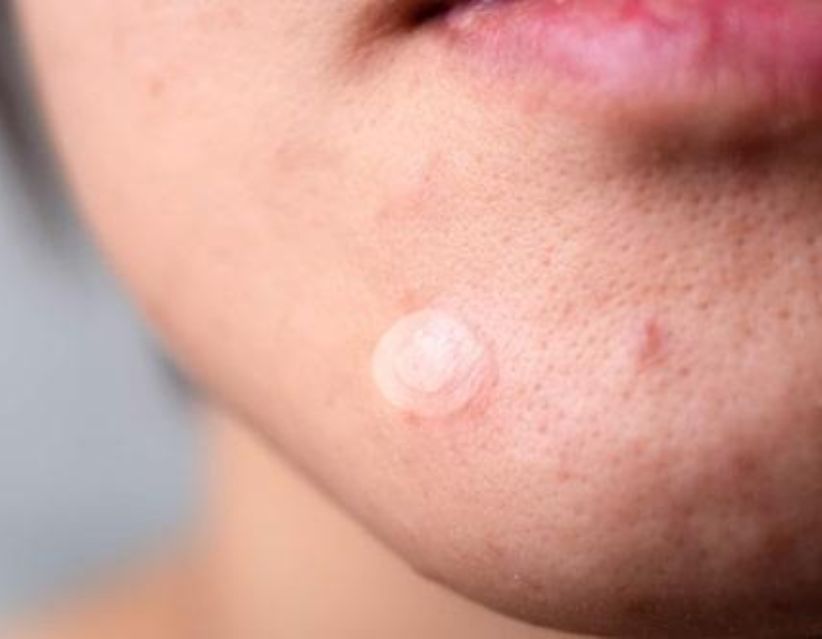
Growing up, I watched my grandmother treat every skin concern with something from her kitchen or garden. But when I got my first angry whitehead before a college interview, her turmeric paste wasn’t cutting it. My roommate handed me a tiny clear sticker and said, “Trust me.” I woke up the next morning to find the patch had turned white and my pimple had flattened. I was hooked, but I also wanted to understand the science behind these magical little dots.
After dealing with hormonal breakouts for years and testing every pimple patch brand I could find, I learned what actually works and what’s just marketing hype. Let me share what I discovered about how these patches heal your skin.
What Are Pimple Patches and How Do They Actually Work?
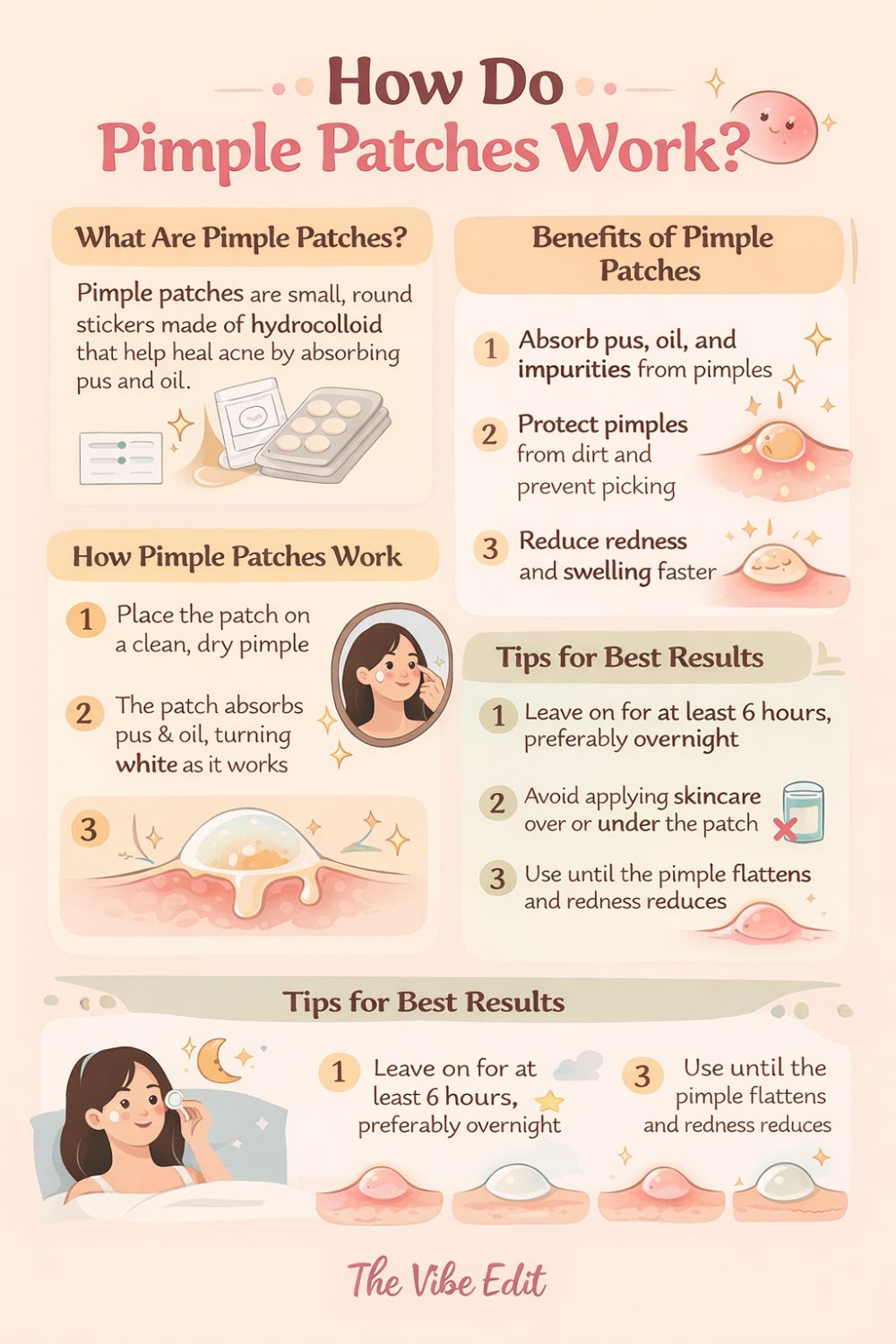
Pimple patches are small adhesive stickers made from hydrocolloid material or medicated ingredients that stick directly onto your breakouts. They absorb pus and oil from surface pimples, create a moist environment that speeds up wound healing, and protect your skin from bacteria and your own fingers.
The magic happens because hydrocolloid is a gel-forming material originally developed for wound healing in medical settings. When you place a hydrocolloid patch on an oozing whitehead, it draws out the fluid and converts it into a soft gel inside the patch. This process keeps the area clean while maintaining the perfect moisture level for your skin to repair itself faster.
Most importantly, these patches act as a physical barrier. They prevent picking at your pimples, which is honestly half the battle. Every time I feel a bump on my face, my first instinct is to touch it. The patch stops me from making things worse.
The Science Behind Hydrocolloid Patches
My grandmother always said wounds heal better when kept slightly moist. Turns out, modern medicine agrees. Hydrocolloid technology was first used in hospitals for treating burns and surgical wounds before someone realized it could help with acne too.
Here’s what happens when you stick a hydrocolloid patch on your skin. The material contains gel-forming agents that react with the fluid from your pimple. As the patch absorbs the pus, oil, and inflammatory fluid, it swells and turns white or translucent. This visible change shows you the patch is working.
The moist environment created under the patch does three important things. First, it keeps the area hydrated so your skin cells can move and multiply faster to close the wound. Second, it maintains a slightly acidic pH that helps fight bacteria naturally. Third, it creates a cushion that reduces inflammation and protects damaged skin from irritation.
Clinical studies published in dermatology journals show that hydrocolloid dressing can reduce healing time for surface wounds by creating optimal conditions for tissue repair. The same principle applies when you use these patches for acne. Your skin heals faster, with less redness and lower risk of dark spots or scars forming afterward.
Which Types of Pimples Respond Best to Patches?
Not every bump on your face will benefit from a patch. I learned this the hard way when I tried sticking one on a deep, painful cystic pimple that hadn’t come to a head yet. Nothing happened because the infection was too deep under my skin.
Pimple patches work best on surface breakouts, especially whiteheads that have already formed or pustules that are oozing. These are the spots where you can see a white or yellow center filled with pus. The patch can absorb that fluid effectively because it has a clear exit point.
For whiteheads that are about to surface, patches help draw out the contents faster. I usually feel a tight sensation under the patch as it pulls fluid from the bump. By morning, what would have been a huge angry pimple is now a flat red spot that makeup can actually cover.
The patches don’t work well on closed comedones (those hard bumps under your skin with no opening), deep nodules, or cystic acne. These types of breakouts need different treatments because the inflammation is too far beneath the surface for the patch to reach. For those, I visit my dermatologist who sometimes injects them with medication or prescribes oral treatments.
Different Types of Patches and What They Do
Basic Hydrocolloid Patches
These are the original pimple patches and still my go-to for most breakouts. Brands like COSRX Acne Pimple Master Patch and Hero Cosmetics Mighty Patch use pure hydrocolloid material with no added medication. They’re gentle enough for sensitive skin and effective at absorbing fluid while protecting the spot.
I keep a sheet of these on my nightstand because they’re perfect for overnight use. They’re also affordable, which matters when you’re dealing with multiple breakouts at once. The clear ones are nearly invisible during the day, though I usually prefer the thicker versions at night for maximum absorption.
Medicated Patches
Medicated pimple patches combine hydrocolloid with active instructions ingredients like salicylic acid, benzoyl peroxide, or tea tree oil. These add extra acne-fighting power by exfoliating dead skin cells, killing bacteria, or reducing oil production while the patch does its absorption work.
I use medicated patches when I feel a pimple forming but it hasn’t fully surfaced yet. The salicylic acid helps unclog the pore while the patch protects the area. Benzoyl peroxide patches are stronger and better for bacterial acne, but they can bleach fabrics, so I’m careful with my pillowcases.
The downside is that medicated patches can irritate sensitive skin. I learned to test them on a small area first after getting red and flaky from overuse. If your skin is already irritated from other acne treatments, stick with plain hydrocolloid.
Microneedle Patches
Microneedle patches are the newest innovation in spot treatment for acne. They have tiny dissolvable needles that penetrate deeper into your skin to deliver ingredients like hyaluronic acid, niacinamide, or other treatments directly into the pimple.
I’ve tried these a few times, mostly out of curiosity. They feel slightly tingly when you first apply them, but they’re not painful. The theory is that they can reach deeper breakouts that regular patches can’t touch. In practice, I found them helpful for those in-between pimples that aren’t quite surface level but aren’t fully cystic either.
The main drawback is price. Microneedle patches cost significantly more than regular hydrocolloid ones, so I save them for stubborn spots that regular patches can’t handle.
Trendy Patches with Extras
Brands like Starface made pimple patches cool by adding fun colors, stars, and hearts. While the aesthetic appeal doesn’t change how well they work, I appreciate that they normalized wearing patches in public. My younger sister wears her yellow Starface stars to school without feeling self-conscious about her acne.
Some patches now include ingredients like centella asiatica, niacinamide, or vitamin C to help with healing and reducing dark spots. These benefits are nice additions if you’re prone to post-inflammatory marks, but the basic hydrocolloid function is still what does most of the work.
Step-by-Step Guide: How to Use Pimple Patches Correctly
Getting the best results from pimple patches depends on proper application. Here’s my routine based on trial and error.
Cleanse Your Face Thoroughly
Start with clean, dry skin. I use a gentle cleanser to remove oil, dirt, and makeup. Any residue on your skin will prevent the patch from sticking properly and reduce its effectiveness at absorbing fluid.
After cleansing, I pat my face completely dry with a clean towel. Even slight dampness can weaken the adhesive. This step is especially important if you have oily skin like mine.
Skip Other Products on the Spot
Don’t apply moisturizer, benzoyl peroxide, salicylic acid, or any other spot treatment for acne directly on the pimple before using the patch. These products create a barrier between your skin and the patch, preventing proper adhesion and fluid absorption.
I apply my regular skincare routine around the breakout, leaving the specific spot bare. Once the patch comes off, then I can use other treatments if needed.
Apply the Patch on Open or Oozing Pimples
Peel the patch from its backing and place it directly on the pimple. Press down firmly around the edges to ensure a good seal. The patch should lie flat against your skin with no air bubbles or lifted corners.
I never pop pimples before applying patches. The whole point is to let the patch absorb the contents naturally. Popping increases your risk of scarring and infection. If a whitehead has already burst on its own, gently clean the area first, then apply the patch to absorb any remaining fluid and protect the open wound.
Leave It On for Hours
Most patches work best when left on for at least six hours, ideally overnight. I apply mine before bed and remove them in the morning. By then, the patch has usually turned white or cloudy, showing me how much fluid it absorbed.
During the day, I use the thinner, more discreet patches that I can wear under makeup. Some are even designed with a matte finish so concealer applies smoothly over them.
Remove Gently and Assess
Peel the patch off slowly from one edge. Don’t rip it off quickly, as this can irritate your skin. If it’s stuck too firmly, wet it slightly with water to loosen the adhesive.
After removal, I usually see that the pimple has flattened significantly. The area might still be red, but the swelling and pus are gone. If there’s still fluid visible, I apply a fresh patch and repeat the process.
What the Research Says About Pimple Patch Effectiveness
I’m not just sharing my personal experience here. Scientific evidence supports the use of hydrocolloid patches for treating surface acne.
A study published in the Journal of the American Academy of Dermatology examined hydrocolloid dressing for various skin conditions. Researchers found that the moist environment created by these dressings promotes faster healing and reduces inflammation compared to leaving wounds exposed to air.
While most clinical trials focused on wound healing rather than acne specifically, dermatologists have applied these findings to acne treatment. The mechanism is the same: hydrocolloid absorbs excess fluid, maintains optimal moisture for tissue repair, and creates a protective barrier against external irritants and bacteria.
Multiple dermatology review articles note that hydrocolloid patches offer benefits for inflammatory acne, particularly for patients who struggle with picking at their skin. The physical barrier provided by the patch addresses both the mechanical aspect of healing and the behavioral challenge of leaving breakouts alone.
One important limitation is that patches don’t address the underlying causes of acne like hormonal imbalances, excess oil production, or bacterial overgrowth in pores. They’re a treatment for individual pimples, not a cure for chronic acne. My dermatologist explained that patches work best as part of a complete skincare routine that includes cleansing, targeted treatments, and sometimes prescription medications.
Comparing Popular Pimple Patch Products
After testing dozens of patches over the years, here’s what I learned about the most popular options:
COSRX Acne Pimple Master Patch remains my reliable favorite. These thin hydrocolloid patches come in different sizes, stick well through the night, and are affordable enough to use regularly. They absorb fluid effectively without irritating my sensitive skin. The 24-count pack usually lasts me about a month.
Hero Cosmetics Mighty Patch Original uses thicker hydrocolloid that absorbs more fluid, making it ideal for larger or more inflamed pimples. I use these for the really angry spots. They also make an invisible version for daytime wear that’s so thin I sometimes forget I’m wearing it.
Starface Hydro-Stars introduced the fun, colorful patch trend. While they work just as well as clear patches, the bright yellow stars make a statement. I appreciate that they helped reduce the stigma around visible acne treatment, especially for younger people.
Peace Out Acne Healing Dots contain salicylic acid along with hydrocolloid. These are stronger and help with stubborn spots that need both absorption and chemical exfoliation. I use them sparingly because the salicylic acid can dry out my skin if I overdo it.
ZitSticka Killa patches are microneedle options that penetrate deeper into the skin. They’re pricier but worth considering for those annoying under-the-skin bumps that regular patches can’t reach. The tiny needles dissolve within minutes and deliver ingredients deeper into the pimple.
For medicated options, some patches include benzoyl peroxide or tea tree oil. These add antibacterial benefits but can bleach fabrics or cause irritation. I always test medicated patches on a small area before using them on prominent breakouts.
Common Mistakes to Avoid
Through my own mistakes, I learned several things not to do with pimple patches.
Don’t use patches on deep cystic acne or closed bumps. They won’t work because the infection or blockage is too far beneath the surface. Save your patches for surface pimples and whiteheads where they can actually absorb something.
Never apply patches over other skincare products. I once put a patch over moisturizer and it slid off within an hour. The patch needs direct contact with your skin to work properly. Apply all your other products around the breakout, not on it.
Don’t pop pimples before applying patches. This increases scarring risk and introduces bacteria. Let the patch do the work of drawing out the contents naturally. I know the temptation is real, but popping almost always makes things worse.
Avoid leaving patches on too long. While most can safely stay on for 12 to 24 hours, leaving them longer doesn’t help and might irritate your skin. I change mine twice daily if needed, giving my skin a brief break in between.
Don’t expect patches to prevent future breakouts. They treat existing pimples but don’t address what’s causing your acne. You still need a good skincare routine with cleansing, targeted treatments, and possibly prescription medications from a dermatologist.
When to Skip the Patch and See a Doctor
Pimple patches are great for minor breakouts, but some situations require professional help. I learned to recognize when my acne was beyond what patches could handle.
If you have widespread or severe acne covering large areas of your face, back, or chest, you need more than patches. A dermatologist can prescribe medications like retinoids, antibiotics, or hormonal treatments that address acne from multiple angles.
Deep, painful cystic acne won’t respond to patches because the inflammation is too far under your skin. These nodules need prescription treatments or sometimes cortisone injections. I spent months trying to treat cystic bumps with patches before finally seeing a dermatologist who prescribed spironolactone, which actually worked.
If your acne is leaving significant dark spots or scars, professional treatments like chemical peels, laser therapy, or prescription creams can help. Patches prevent some scarring by stopping you from picking, but they can’t reverse damage that’s already done.
Sudden, severe breakouts that don’t respond to over-the-counter treatments might signal hormonal imbalances, food sensitivities, or other health issues. I discovered my adult acne was partly related to hormonal changes, which required a different treatment approach than simple spot treatment for acne.
Quick Tips for Better Results
Put patches on clean, dry skin. Oil, moisture, or skincare products reduce adhesion and effectiveness. Cleanse thoroughly and pat your face completely dry before applying patches. I even skip toner on the specific spot where I’m placing a patch.
Don’t pop before using the patch. Let the patch absorb fluid naturally to reduce scarring risk and infection. Popping introduces bacteria and damages surrounding tissue. The patch works better on intact skin anyway, drawing out contents through the natural opening of the pore.
Frequently Asked Questions About Pimple Patches
Do Pimple Patches Actually Work?
Yes, hydrocolloid patches absorb fluid from surface breakouts and protect the area, which speeds healing for whiteheads and oozing pimples. They create a moist environment that promotes wound healing and prevent picking, which are major benefits for reducing inflammation and scarring. However, they’re not effective for deep cystic acne or closed comedones because those issues are too far beneath the skin surface.
When Should I Put a Pimple Patch On?
Apply patches on open, oozing, or surface pimples, especially when you can see a whitehead forming. They work best soon after the spot starts showing fluid. Leave the patch on for several hours or overnight for maximum absorption. I usually apply mine right after cleansing at night and remove them in the morning.
Can I Wear a Pimple Patch During the Day?
Yes, many patches are discreet and waterproof, making them suitable for daytime wear. Choose clear or skin-tone variants if you need to go out in public. Some brands make ultra-thin invisible patches specifically designed to wear under makeup. I’ve worn them to work and social events without anyone noticing.
Are Medicated Patches Better Than Plain Hydrocolloid Patches?
Medicated patches with salicylic acid or benzoyl peroxide can help reduce oil and bacteria while the hydrocolloid absorbs fluid. However, plain hydrocolloid patches work well for most surface pimples and are gentler on sensitive skin. Choose based on your skin sensitivity and acne type. I use plain patches most of the time and save medicated ones for stubborn spots that need extra help.
Will a Patch Remove the Pimple Completely?
Patches can significantly reduce size, redness, and risk of scarring for surface pimples, but they won’t cure the underlying causes of acne like hormonal imbalances or follicular blockages. They treat individual breakouts, not chronic acne conditions. For persistent or cystic acne, see a dermatologist who can address root causes with prescription treatments.
My Final Thoughts on Pimple Patches
After years of testing every pimple patch I could find, I genuinely believe they’re one of the best innovations in skincare. They’re not a miracle cure for all acne, but for surface breakouts and whiteheads, they work remarkably well.
What I love most is how they prevent me from making things worse by picking. Before I discovered patches, I would obsessively touch and squeeze every bump on my face, leading to worse inflammation and dark spots that lasted for months. The patches give me something to do besides picking, and I wake up to improved skin instead of new scars.
The science behind hydrocolloid technology makes sense, the results are visible, and the cost is reasonable compared to other acne treatments. I always keep multiple types on hand: thick ones for overnight use on angry pimples, thin invisible ones for daytime wear, and medicated patches for stubborn spots.
If you’re dealing with breakouts, try plain hydrocolloid patches first. They’re gentle, effective, and affordable. Use them on clean, dry skin, leave them on for hours, and resist the urge to pop pimples underneath. Your skin will heal faster with less risk of marks and scars.
Remember that patches are tools for individual pimples, not solutions for chronic acne. If you’re struggling with frequent or severe breakouts, talk to a dermatologist about comprehensive treatment options that address the root causes of your acne