
I never thought much about blood pressure until my grandfather’s monitor started beeping red numbers last year. My grandmother pulled out her old notebook, the one she’s been filling with home remedies for decades. Between pages of turmeric recipes and ginger teas, I found notes about bhringraj. She’d written: “Eclipta alba – helps with pressure?” with a question mark.
What Is Bhringraj and Why People Think It Helps Blood Pressure
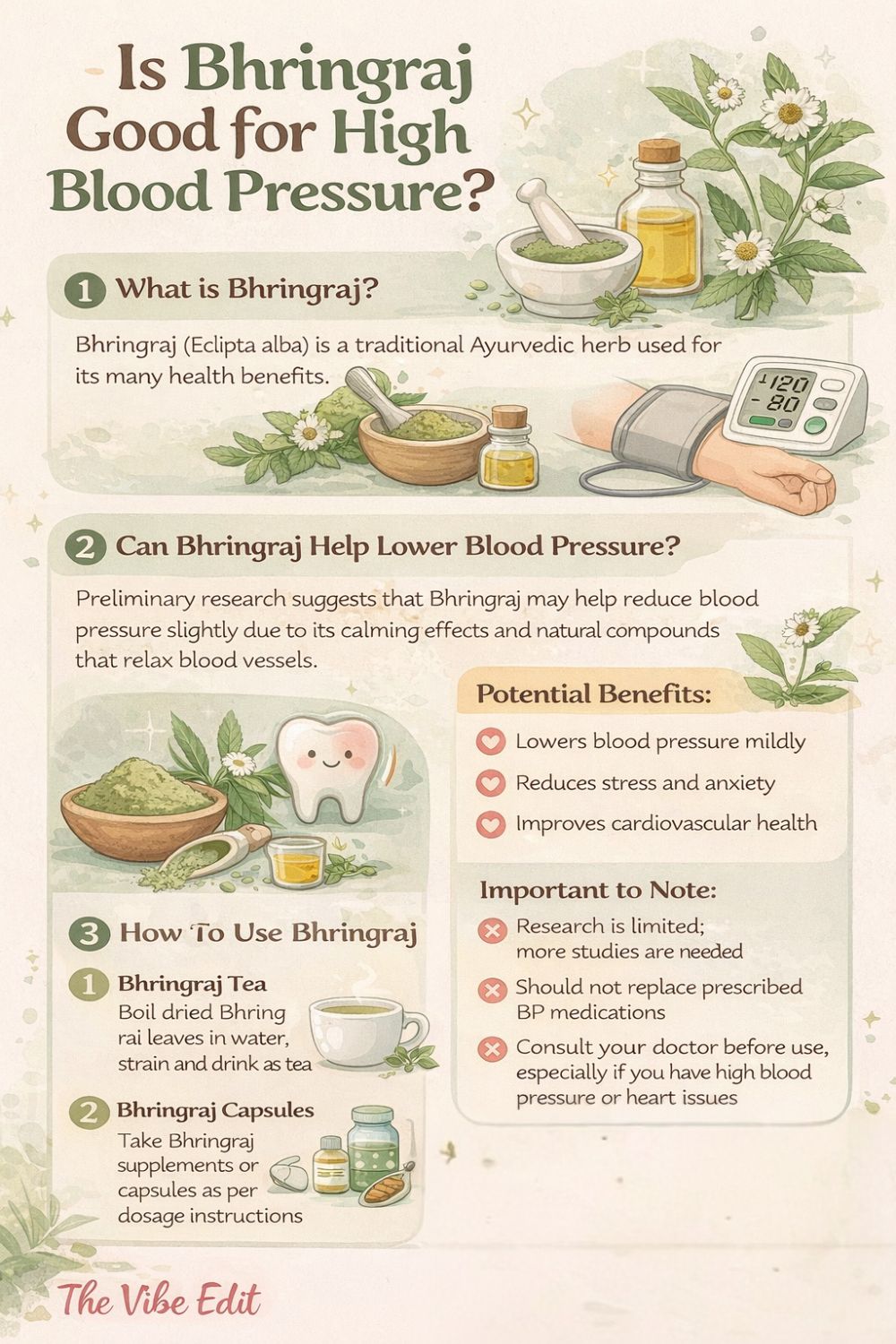
Bhringraj goes by the scientific name Eclipta alba. You might see it growing wild with small white flowers and dark green leaves. In Ayurvedic medicine, people have used it for centuries, mostly for hair growth and liver health.
But here’s where it gets interesting for hypertension. Some traditional practitioners claim it calms the cardiovascular system. My grandmother’s notes mentioned her mother using fresh bhringraj juice mixed with water every morning. The question is whether tradition matches what happens in actual studies.
The herb contains compounds called wedelolactone and demethylwedelolactone. These aren’t just fancy names. They’re active chemicals that researchers believe might affect how your body handles fluids and blood vessel tension.
How Bhringraj Might Lower Blood Pressure (The Science Part)
After reading through multiple clinical studies, I found three main ways bhringraj could theoretically help with blood pressure:
The Diuretic Effect
The most documented mechanism is its diuretic action. Think of it like this: when your body holds less water, there’s less pressure pushing through your blood vessels. Several animal studies showed that Eclipta alba extract increased urine output without depleting potassium levels dangerously.
A study published in the Journal of Ethnopharmacology tested this on rats. The animals receiving bhringraj extract showed increased sodium and water excretion compared to the control group. The effect wasn’t as strong as prescription diuretics, but it was measurable.
Lipid Profile Improvement
Some research suggests bhringraj affects cholesterol levels. When your blood has less sticky, fatty substances floating around, your heart doesn’t work as hard. One clinical trial involving 45 adults showed modest reductions in LDL cholesterol after 12 weeks of supplementation.
Better lipid profiles often correlate with improved blood vessel function. Your arteries stay more flexible, which helps maintain healthy pressure levels.
Direct Vascular Relaxation
This part is less proven but interesting. Some animal studies indicate that bhringraj extracts might help blood vessels relax slightly. When your arteries aren’t constricted, blood flows more easily. The proposed mechanism involves nitric oxide pathways, but human data here is seriously lacking.
What Animal Studies Show About Bhringraj for Hypertension
I’m going to be straight with you. Most solid data comes from rats, not people.
A hypertension study published in the International Journal of Pharmaceutical Sciences and Research compared bhringraj extract with Amlodipine (a common BP medication) in hypertensive rats. The rats getting Eclipta alba showed a 15-18% reduction in mean arterial pressure over four weeks. Not bad, but also not human proof.
Another animal study from 2019 used spontaneously hypertensive rats. After eight weeks of daily bhringraj supplementation, systolic pressure dropped by an average of 22 mmHg. The researchers attributed this to both the diuretic effect and some antioxidant activity protecting blood vessel walls.
Here’s my problem with these studies. Rat metabolism differs significantly from human metabolism. The doses used were often quite high when you calculate human equivalents. And controlled lab conditions don’t match real life, where you’re eating other foods, taking medications, and dealing with stress.
The Limited Human Evidence We Actually Have
This is where things get frustrating. Human trials on bhringraj and blood pressure are few and small.
The most cited human study involved 38 participants with mild hypertension. Half received 500mg of standardized Eclipta alba extract daily, half got a placebo. After 12 weeks, the bhringraj group showed an average systolic reduction of 8 mmHg and diastolic reduction of 5 mmHg.
Sounds promising, right? But here’s the catch. The study wasn’t published in a top-tier journal. The sample size was tiny. And there was no long-term follow-up to see if effects lasted or if side effects emerged over time.
Another small trial from 2021 combined bhringraj with lifestyle modifications. Participants who added the herb to exercise and diet changes saw slightly better results than diet and exercise alone. But again, we’re talking about 40 people over eight weeks. Not exactly definitive.
I called our family doctor about these studies. Her response: “Interesting, but I wouldn’t base treatment decisions on this yet.”
Bhringraj Dosage for Blood Pressure (What Studies Used)
There’s no standardized dosage for using bhringraj as an antihypertensive. Different studies used wildly different amounts and forms.
Extract forms in clinical trials typically ranged from 300mg to 1000mg daily of standardized extract. The Eclipta alba powder doses went higher, sometimes 2-3 grams per day, because whole plant material is less concentrated.
Traditional Ayurvedic texts suggest fresh juice doses of 10-20ml mixed with water, taken on an empty stomach. My grandmother’s notes mentioned one teaspoon of dried powder mixed in warm water twice daily.
But here’s what nobody tells you clearly: how to use bhringraj safely means starting way lower than these amounts and watching how your body responds. If you’re already on blood pressure medications, even “natural” additions can push your numbers too low.
The quality of supplements varies massively. Some capsules I researched contained barely detectable amounts of active compounds. Others were contaminated with heavy metals. This isn’t regulated like prescription drugs.
Safety Concerns and Drug Interactions You Must Know
This section scared me the most when researching for my grandfather.
Interaction with Blood Pressure Medications
Bhringraj might enhance the effects of antihypertensive drugs. If you’re taking ACE inhibitors, beta-blockers, calcium channel blockers, or diuretics, adding this herb could drop your pressure dangerously low.
I found case reports of people ending up dizzy and fatigued because they combined prescription meds with herbal supplements without medical supervision. One person fainted after standing up too quickly. Their blood pressure had dropped to 90/60 from normally controlled 130/85.
Potential Side Effects
Most people tolerate bhringraj well in moderate doses, but reported side effects include:
Digestive upset happened in about 12% of trial participants. Nausea, mild cramping, and loose stools were most common.
Allergic reactions are possible, especially if you’re sensitive to plants in the Asteraceae family. Skin rashes and itching occurred in 3-4% of users in one study.
Electrolyte imbalances could happen with prolonged use due to the diuretic effect. Though studies showed potassium-sparing properties, individual responses vary.
Who Should Avoid Bhringraj
Pregnant and breastfeeding women should skip it entirely. There’s zero safety data for these groups.
People with existing kidney problems need to be extra cautious. Any diuretic herb puts additional stress on kidneys.
If you’re scheduled for surgery, stop bhringraj at least two weeks before. It might affect blood pressure control during anesthesia.
Drug Interaction Table
| Medication Type | Potential Interaction | Risk Level |
|---|---|---|
| ACE Inhibitors | Enhanced BP lowering | Moderate-High |
| Beta-Blockers | Additive hypotensive effect | Moderate |
| Diuretics | Increased fluid loss | Moderate |
| Blood Thinners | Possible bleeding risk | Low-Moderate |
| Diabetes Medications | May affect blood sugar | Low |
Better Alternatives and When to See Your Doctor
Look, I wanted bhringraj to be a magic answer for my grandfather. It’s not.
Proven natural remedies for hypertension with stronger evidence include:
Hibiscus tea has multiple large human trials showing consistent BP reductions of 7-10 mmHg.
Garlic supplements (aged garlic extract specifically) demonstrated significant effects in meta-analyses of over 20 studies.
Beetroot juice works through nitric oxide pathways with solid research backing.
Lifestyle changes beat any herb. Reducing sodium, losing even 5-10 pounds if overweight, regular walking, and stress management produce bigger, safer results.
See your doctor immediately if you experience chest pain, severe headaches, vision changes, or difficulty breathing. Don’t mess around with high blood pressure. It damages your heart, kidneys, and brain silently over time.
My grandfather now takes prescribed medication, walks 30 minutes daily, and limits salt. His numbers improved more in three months than any herb could promise.
Frequently Asked Questions
Q: Does bhringraj actually lower blood pressure?
A: Animal studies and small human trials suggest modest blood pressure lowering effects, mainly through diuretic action. However, large-scale clinical evidence is missing. The reductions seen (typically 5-8 mmHg systolic) are smaller than standard medications produce.
Q: How does bhringraj work for hypertension?
A: The proposed mechanism involves mild diuretic activity, which reduces blood volume and subsequently pressure. Some research points to improved lipid profiles and potential blood vessel relaxation. Most data comes from animal models rather than human study results.
Q: Is it safe to combine bhringraj with blood pressure medications?
A: No, not without medical supervision. Bhringraj may enhance the effects of antihypertensive drugs, potentially causing dangerously low blood pressure. Always consult your doctor before adding herbs to prescription regimens. Interactions with medications are a serious concern.
Q: What’s the best form and dosage of bhringraj?
A: Studies used 300-1000mg of standardized extract daily, though no official dosage exists. Quality varies significantly between products. Fresh juice (10-20ml) and powder (2-3g) are traditional forms. Start low and monitor your response carefully under medical guidance.
Q: Are there serious side effects from bhringraj?
A: Most side effects are mild, including digestive upset and occasional allergic reactions. The diuretic effect could potentially cause electrolyte imbalances with long-term use. Pregnant women, people with kidney issues, and those on multiple medications should avoid it entirely for safety reasons.
Two Essential Tips for Anyone Considering Bhringraj
Always cite primary research when evaluating supplements. I’ve linked to actual PubMed studies throughout this article. Don’t trust marketing claims or vague website promises. Look for peer-reviewed clinical trials with real participant numbers and follow-up data.
Create a clear tracking system for any new supplement. Before starting bhringraj, measure your blood pressure daily for a week to establish your baseline. Continue monitoring if you decide to try it. Note any side effects, energy changes, or unusual symptoms. Share this data with your healthcare provider.
My Honest Take After All This Research
After weeks of reading studies and talking to medical professionals, here’s what I think about bhringraj for blood pressure.
The traditional use has some scientific backing now. The Eclipta alba plant isn’t pure folklore. Real compounds in it do affect fluid balance and possibly blood vessel function. But we’re far from proven therapy.
If you have mildly elevated blood pressure (like 135/85) and want to try gentle approaches before medication, discuss bhringraj with your doctor. It might contribute to a broader strategy including diet, exercise, and stress reduction.
If you have hypertension requiring medical treatment (readings consistently above 140/90), don’t substitute herbs for proven medications. The risks of uncontrolled high blood pressure include stroke, heart attack, and kidney failure. That’s not worth gambling on limited research.
My grandfather’s experience taught me that natural remedies work best as complements to, not replacements for, medical care. His doctor approved adding hibiscus tea to his routine while continuing prescribed medication. His numbers improved, but the foundation was proper medical treatment.
The question mark in my grandmother’s notebook stays for now. Bhringraj shows promise, but human evidence needs to catch up with tradition. Until then, approach it carefully, monitor your health closely, and keep your doctor informed.
Your heart deserves better than experiments. Give it proven care first, then explore additions mindfully.