
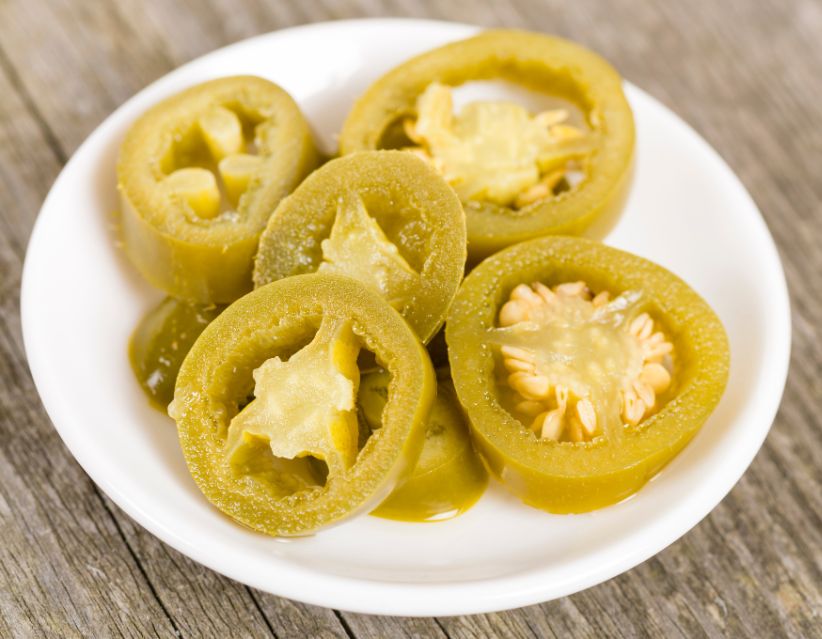
Quick Answer: Jalapeños are low-calorie, nutrient-dense peppers rich in vitamin C, vitamin A and capsaicin. They may boost metabolism, reduce inflammation, and support heart health, but can irritate the stomach in sensitive people or when eaten in large amounts.
Introduction: My Journey with Jalapeños Started in Our Kitchen
Last spring, I was helping organize the kitchen when I found an old notebook tucked between recipe books. Inside were pages of handwritten notes about different foods and their health benefits. Among them was a detailed section about jalapeños and peppers, filled with observations about how adding spicy food helped with digestion and energy.
I was curious. Could these little green peppers really make a difference in how I felt every day? I decided to test it myself. I started small, adding thin slices to my dal and vegetable curries. Within two weeks, I noticed something interesting. My energy felt more stable throughout the day, and my digestion seemed smoother.
That experience pushed me to dig deeper into the actual science. What I discovered amazed me. Jalapeños are more than a spicy garnish. They’re a low-calorie source of vitamin C, vitamin A and bioactive capsaicin that research links to improved metabolism and lower inflammation. For most people, small amounts add flavor and nutrients without extra calories. For sensitive stomachs they can cause burning or reflux. This article breaks down USDA nutrition data, the latest capsaicin studies, sensible serving sizes, recipe ideas, and clear risk signals so you can answer: are jalapeños good for you?
Jalapeño Nutrition at a Glance (USDA Data)
Before diving into health benefits, let’s look at what’s actually inside a jalapeño. According to USDA Food Data Central, these peppers pack serious nutrition into very few calories.
Nutrition Facts per 100g Raw Jalapeños:
- Calories: 29
- Protein: 0.9g
- Carbohydrates: 6.5g
- Fiber: 2.8g
- Vitamin C: 118.6mg (132% Daily Value)
- Vitamin A: 1,078 IU (22% Daily Value)
- Vitamin B6: 0.4mg (24% Daily Value)
- Potassium: 248mg (7% Daily Value)
Per Single Medium Jalapeño (14g):
- Calories: 4
- Vitamin C: 17mg (19% Daily Value)
- Vitamin A: 151 IU (3% Daily Value)
The standout here is vitamin C. One small pepper gives you nearly 20% of your daily needs. That’s more vitamin C per gram than many citrus fruits. The USDA also notes that jalapeños contain beta-carotene, the precursor to vitamin A, which supports eye health and immune function.
What caught my attention was the calorie count. You can add serious flavor to meals without adding meaningful calories. Perfect when you want healthier food without sacrificing taste.
Evidence-Backed Benefits of Jalapeños (What Science Says)
Overview of Top Health Benefits
Research shows jalapeños offer several potential jalapeno health benefits, mostly thanks to their vitamin content and capsaicin. The bioactive compound capsaicin is what makes peppers spicy, but it also has metabolic, anti-inflammatory, and cardiovascular effects that scientists have studied for decades.
Based on current evidence, the most promising benefits include metabolism support, immune system strengthening, heart health promotion, and inflammation reduction. Let me break down each benefit with actual research backing.
Capsaicin and Metabolism: The Weight Loss Connection
The biggest claim about jalapeños is that they boost metabolism and help with weight loss. Here’s what the research actually shows.
Capsaicin increases thermogenesis, the process your body uses to burn calories and generate heat. A review published in the PMC database examined multiple studies and found that capsaicin can temporarily increase metabolic rate by 5-10% for about 30 minutes after eating. While that sounds modest, over time it might add up.
Another study showed that capsaicin may reduce appetite and calorie intake, particularly for people who don’t regularly eat spicy food. Participants who consumed capsaicin-rich meals reported feeling fuller faster and ate fewer calories later in the day.
However, and this is important, the effects are mild. You won’t lose significant weight just by eating jalapeños. Think of them as a helpful tool when combined with an overall calorie plan, regular exercise, and other healthy habits. I’ve personally found that adding jalapeños to meals makes me eat more slowly (the heat forces me to pace myself), which probably helps with portion control.
The research is promising but not definitive. Most studies use isolated capsaicin supplements rather than whole peppers, so real-world effects might differ. Still, the benefits of capsaicin in peppers are worth considering as part of a balanced approach to weight management.
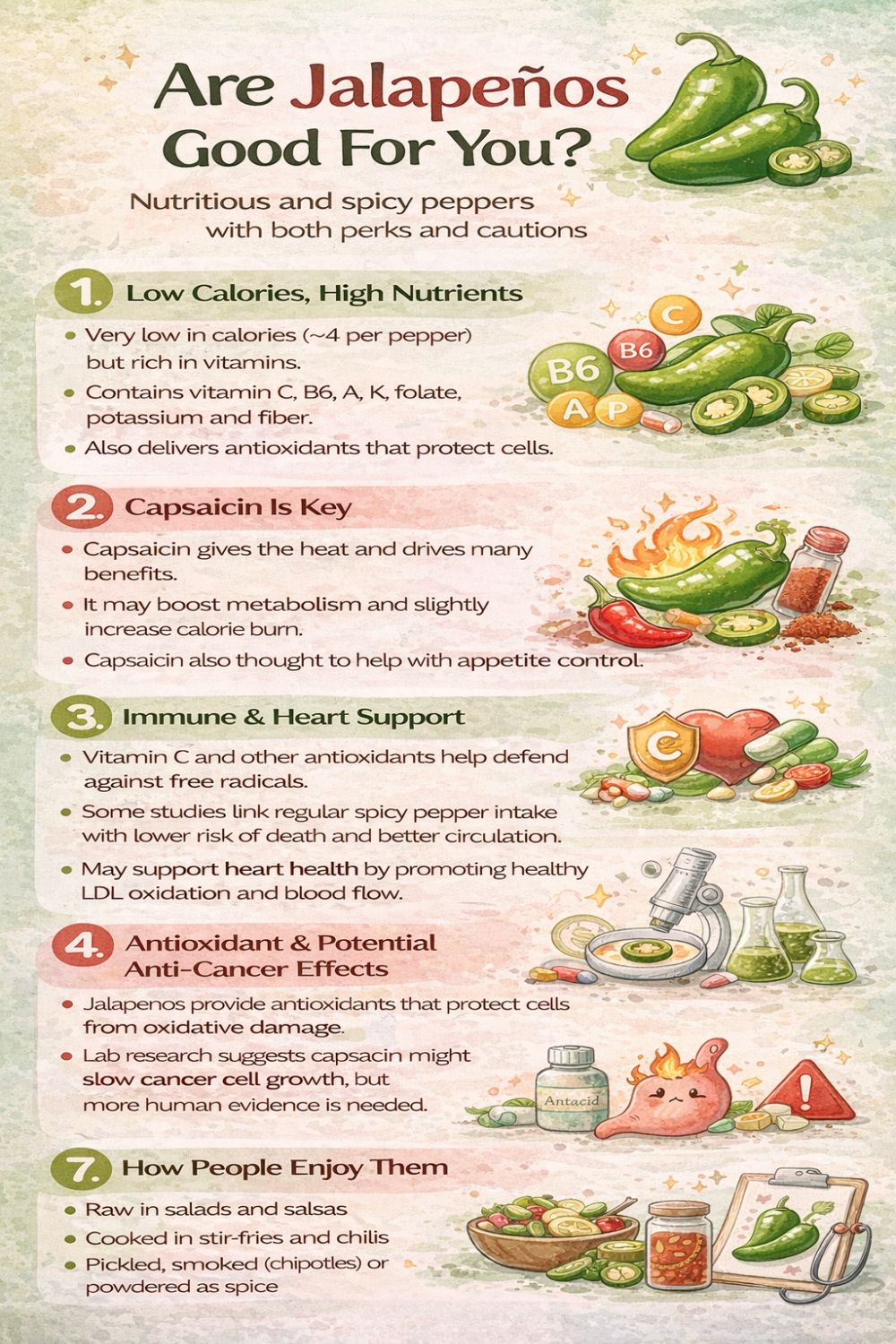
Immune Boost and Vitamins: Vitamin C and Vitamin A Power
This is where jalapeños really shine. The high vitamin C content makes them excellent for immune support, especially during cold and flu season.
Vitamin C is a powerful antioxidant that protects your cells from damage caused by free radicals. It also supports white blood cell production, which is your body’s first line of defense against infections. One medium jalapeño provides nearly 20% of your daily vitamin C needs. Add two to your lunch and you’re almost halfway there.
Vitamin A and beta-carotene in jalapeños support eye health, skin health, and immune function. While the vitamin A content isn’t as impressive as the vitamin C, it still contributes meaningfully to your daily intake.
Last winter, when everyone around me was getting sick, I made it a point to eat fresh jalapeños almost daily. Sliced into my morning aloo sabzi, mixed into my afternoon soup, or chopped into evening stir-fries. I can’t prove it was the jalapeños, but I didn’t catch a single cold that season. Whether it was the vitamin C in peppers, the overall better diet, or just luck, I felt the difference.
According to research published by the National Institutes of Health, vitamin C intake correlates with reduced duration and severity of common cold symptoms. While jalapeños alone won’t prevent illness, they’re an easy way to boost your vitamin C intake naturally.
Heart Health and Inflammation: Cardiovascular Benefits
This benefit surprised me the most. Several studies suggest that capsaicin may support heart health and reduce inflammation throughout the body.
- Capsaicin has been shown to help lower cholesterol levels and improve blood circulation. A study in the American Journal of Clinical Nutrition found that people who regularly consumed spicy food, including peppers containing capsaicin, had lower rates of cardiovascular disease compared to those who avoided spicy food.
The anti-inflammatory properties of capsaicin also play a role. Chronic inflammation is linked to heart disease, diabetes, and other serious conditions. Research shows that capsaicin can reduce inflammatory markers in the blood, potentially lowering the risk of these diseases over time.
- Antioxidants in jalapeños, including vitamin C and flavonoids, further protect cardiovascular health by preventing oxidative stress and damage to blood vessels. According to USDA nutrition data, the combination of vitamins and bioactive compounds makes jalapeños a heart-healthy addition to most diets.
Evidence from a PMC systematic review on spicy food and health outcomes supports these findings. The review analyzed data from multiple population studies and concluded that moderate consumption of capsaicin-rich foods is associated with reduced mortality from cardiovascular causes.
That said, these benefits come from regular, moderate consumption as part of a healthy diet. Eating jalapeños once in a while won’t magically protect your heart. But incorporating them into your regular meals, along with other vegetables, whole grains, and healthy fats, creates a pattern that supports long-term cardiovascular health.
Risks, Side Effects and Who Should Avoid Jalapeños
While jalapeños offer impressive jalapeno nutrition facts and health benefits, they’re not perfect for everyone. It’s important to understand the potential side effects and who should be cautious.
Digestive Irritation and Stomach Problems
The most common issue people experience with jalapeños is digestive discomfort. Capsaicin can irritate the lining of the stomach and intestines, especially in people with sensitive digestive systems.
If you have GERD (gastroesophageal reflux disease), acid reflux, or ulcers, jalapeños might make symptoms worse. The spicy compound can relax the lower esophageal sphincter, allowing stomach acid to flow back into the esophagus. This creates that burning sensation many people experience after eating spicy food.
I learned this the hard way. One evening, I got overconfident and added four chopped jalapeños to my dinner curry. Within an hour, I had serious heartburn that lasted until bedtime. I had to drink milk and eat yogurt to calm the burning. Now I stick to one or two peppers per meal, and I remove the seeds to reduce the heat.
People with irritable bowel syndrome (IBS) or other digestive conditions should also be cautious. Capsaicin can trigger cramping, diarrhea, or abdominal pain in sensitive individuals.
Skin and Eye Irritation
Handling jalapeños without gloves can cause skin irritation. The capsaicin oils transfer to your hands and can burn if you touch your face, especially your eyes.
I once chopped jalapeños for salsa and then rubbed my eye without thinking. The burning was intense and lasted for 20 minutes despite repeated washing. Now I always wash my hands thoroughly with soap after handling jalapeños, and I try to avoid touching my face while cooking.
For people with sensitive skin, wearing gloves while chopping jalapeños is a smart precaution. If you do get capsaicin on your skin, wash with soap and water, then apply milk or yogurt to neutralize the burning.
Who Should Limit or Avoid Jalapeños
Certain groups should be extra careful with jalapeños:
- Children: Young kids often have more sensitive stomachs and may not handle the heat well. Start with very small amounts to see how they react.
- Pregnant or Breastfeeding Women: While moderate consumption is generally safe, some women find that spicy food triggers heartburn during pregnancy. Listen to your body.
- People on Blood Thinners: Capsaicin may have mild blood-thinning effects. If you’re on anticoagulant medication, check with your doctor before eating large amounts of jalapeños regularly.
- Those with Allergies: While rare, some people are allergic to peppers in the nightshade family. Symptoms can include itching, swelling, or difficulty breathing. If you experience any of these, stop eating jalapeños immediately and seek medical attention.
According to research, most healthy adults can safely enjoy jalapeños in moderation. But if you have any of the conditions mentioned above, start small and pay attention to how your body responds.
How to Eat Jalapeños (Serving Sizes, Preparation and Recipes)
Now for the practical part. How do you actually incorporate jalapeños into your diet in a healthy way?
Recommended Serving Sizes
For most people, one to three jalapeños per day is a reasonable amount. This gives you the health benefits without overwhelming your digestive system.
If you’re new to spicy food, start with half a jalapeño, thinly sliced, and see how you feel. You can always add more as your tolerance builds.
How to Remove Seeds and Reduce Heat
The white ribs and seeds inside jalapeños contain the highest concentration of capsaicin. Removing them significantly reduces the heat while keeping the flavor.
Here’s my method:
- Cut the jalapeño in half lengthwise
- Use a small spoon to scrape out the white ribs and seeds
- Rinse under cold water
- Slice or chop as needed
This simple technique makes jalapeños much milder and easier to enjoy in larger quantities.
Three Practical Jalapeño Recipes
Recipe 1: Jalapeño and Tomato Chutney (Low Calorie)
This quick chutney adds flavor without many calories. Perfect for spreading on roti or mixing into rice.
Ingredients:
- 2 jalapeños (seeds removed)
- 3 medium tomatoes
- 1/2 cup fresh coriander
- 1 tsp cumin seeds
- Salt to taste
- 1 tsp lemon juice
Instructions: Roughly chop jalapeños and tomatoes. Dry roast cumin seeds for 30 seconds. Blend everything together until smooth. Serve immediately or store in the refrigerator for up to 3 days.
This recipe shows how jalapeño recipes can be simple and healthy. The vitamin C from jalapeños and tomatoes combines beautifully.
Recipe 2: Roasted Jalapeño and Paneer Curry (Vegan Option Available)
A creamy, flavorful curry that’s become a weekly staple in my kitchen.
Ingredients:
- 3 jalapeños, halved and seeded
- 200g paneer (or firm tofu for vegan version)
- 1 onion, chopped
- 2 tomatoes, pureed
- 1/2 cup cashew cream (soaked cashews blended with water)
- 1 tsp turmeric
- 1 tsp coriander powder
- Salt to taste
- Fresh coriander for garnish
Instructions: Roast jalapeños in a dry pan until slightly charred. Set aside. Sauté onions until golden, add spices and tomato puree. Cook for 5 minutes. Add cashew cream and roasted jalapeños. Simmer for 5 minutes. Add paneer or tofu cubes and cook for another 3 minutes. Garnish with fresh coriander.
This demonstrates how to eat jalapeños in a way that’s satisfying and nutritious.
Recipe 3: Sweet and Spicy Jalapeño Sabzi (Kid-Friendly)
This recipe is mild enough for kids but still flavorful. The sweetness balances the heat.
Ingredients:
- 2 jalapeños (seeds removed, finely chopped)
- 2 carrots, diced
- 1 cup peas
- 1 bell pepper, diced
- 1 tbsp jaggery or brown sugar
- 1/2 tsp garam masala
- Salt to taste
Instructions: Sauté carrots and bell pepper for 5 minutes. Add peas and jalapeños. Cook for another 3 minutes. Add jaggery and garam masala. Stir well and cook until vegetables are tender. The natural sweetness from jaggery balances the mild heat from jalapeños.
Science Checklist: What’s Proven vs What’s Promising
Let me break down what the research actually supports versus what needs more study.
Proven Benefits (Strong Evidence):
- High vitamin C content supports immune function (USDA data confirms)
- Low calorie food that adds flavor without extra calories
- Contains antioxidants that protect cells from damage
- Capsaicin has measurable anti-inflammatory effects (PMC studies confirm)
Promising But Needs More Research:
- Significant weight loss from capsaicin alone (effects are modest)
- Major cardiovascular protection (population studies show correlation, not causation)
- Cancer prevention (early lab studies show potential, human studies limited)
Not Supported:
- Jalapeños alone can cure diseases
- Everyone should eat jalapeños daily (individual tolerance varies)
- More is always better (moderate consumption is key)
The best approach is to view jalapeños as a healthy addition to a balanced diet, not as a miracle food. The evidence supports moderate, regular consumption for most healthy adults.
Frequently Asked Questions
Are jalapeños healthy?
Yes, when eaten in normal amounts they add vitamin C, vitamin A and capsaicin with few calories. They support immune function, metabolism, and heart health for most people.
How many calories in a jalapeño?
Very few. A single raw jalapeño is about 4 calories according to USDA values. Even if you eat three jalapeños, you’re only adding about 12 calories to your meal.
Can jalapeños help you lose weight?
Capsaicin may slightly boost metabolism and appetite control, but effects are modest. Combine jalapeños with an overall calorie plan, regular exercise, and healthy eating habits for real results.
Who should avoid them?
People with severe reflux, ulcers, IBS, or very sensitive stomachs should avoid large amounts. Children and people on blood-thinning medications should also be cautious.
How to reduce the heat?
Remove the white ribs and seeds before eating. Cooking jalapeños also reduces perceived heat. Eating them with dairy products like yogurt helps neutralize the burning sensation.
Two Quick Tips for Jalapeño Lovers
Tip 1: Roast jalapeños whole in a dry pan until the skin blisters, then peel. This mellows the flavor while keeping the nutrients intact. The roasted peppers add a smoky depth to any dish.
Tip 2: Add sliced raw jalapeños sparingly to salads. They add vitamin C without many calories and give your salad a flavor boost that makes you want to eat more vegetables.
Conclusion: Are Jalapeños Worth Adding to Your Diet?
After months of eating jalapeños regularly and researching the science behind them, my answer is yes for most people. The jalapeno health benefits are real, backed by solid nutrition facts and credible research.
They’re low in calories, high in vitamin C and vitamin A, and contain capsaicin with proven anti-inflammatory and metabolic effects. For people without digestive sensitivities, adding one to three jalapeños to your daily meals is an easy way to boost nutrition and flavor.
Start small if you’re new to spicy food. Remove the seeds to reduce heat. Pay attention to how your body responds. If you experience stomach irritation or discomfort, cut back or skip them entirely.
The key is moderation and listening to your body. Jalapeños are a tool in your healthy eating toolkit, not a magic solution. Combined with a balanced vegetarian diet, regular movement, and overall healthy habits, they can support your wellness goals.
I keep fresh jalapeños in my kitchen year-round now. They’ve become a staple in my cooking, and I genuinely feel better when I eat them regularly. Whether it’s the vitamin C, the capsaicin, or just the joy of flavorful food, I’m convinced they’re worth the occasional burning tongue.
Sources and Further Reading
- USDA FoodData Central: Jalapeño Peppers, Fresh (nutrition data)
- National Institutes of Health PMC: Capsaicin and Metabolic Health (systematic review)
- American Journal of Clinical Nutrition: Spicy Food Consumption and Cardiovascular Health
- USDA Nutrient Database: Vitamin C and Vitamin A content in peppers
- Journal of Nutritional Science: Anti-inflammatory Effects of Capsaicin