I still remember the first time I noticed it. I had just finished a round of Invisalign, my teeth were straighter than ever, and I was smiling at my reflection thinking everything looked great. Then I moved a little closer to the mirror and saw them: tiny dark triangles sitting right at the base of my front teeth. My first thought was that something had gone wrong. My second thought was to Google everything possible about it at midnight.
If you are in the same spot right now, take a breath. Black triangle teeth are more common than most people realize, and there are real, effective ways to deal with them. This post is everything I wish I had found that night, written the way I would explain it to a friend.
Welcome to Vibeedits, where I share honest, research-backed wellness and self-care content drawn from real life.
What Are Black Triangle Teeth?
The Simple Definition
Black triangle teeth, clinically known as open gingival embrasures, are the small triangular spaces that appear between teeth near the gumline when the interdental papilla does not fully fill that space. The papilla is the little pointed flap of gum tissue that sits between two teeth. When it shrinks, pulls back, or was never quite big enough to begin with, a gap opens up that looks dark or shadowed, which is where the name comes from.
Studies suggest that open gingival embrasures appear in more than 60 percent of adults over the age of 20, so if you are noticing them, you are genuinely not alone. They show up most often between the top front teeth, though they can appear anywhere in the mouth.
Why They Look Dark
The dark appearance is not a stain and it is not decay. The space between the teeth simply has nothing filling it, so the dark inside of the mouth becomes visible. Think of it like a little window into a dark room. No light, no pink gum tissue, just shadow.
The size of the triangle varies a lot from person to person. Some people have a very subtle gap that is barely noticeable. Others have a larger, more visible opening that affects how their smile looks and even how food feels when it gets stuck in there.
Why Black Triangles Between Teeth Actually Happen
Gum Recession and Bone Loss
The most common reason for black triangles between teeth is gum recession. When the gum tissue pulls away from the tooth, the papilla recedes along with it, leaving that open space behind. Gum recession can happen gradually over years without much pain or warning, which is part of why people are often surprised when they notice it.
Bone loss underneath the gums is often connected to this. The papilla height depends on the bone level below it. When periodontal disease or aging causes bone loss, the papilla has less structural support and starts to shrink down. This is why dentists and periodontists are so focused on protecting bone health.
Periodontal Disease
Periodontal disease, also called gum disease, is inflammation and infection of the tissues and bone that support your teeth. It is one of the leading causes of papilla loss and gum recession. The bacteria in untreated plaque buildup trigger an immune response that slowly destroys the gum and bone tissue over time.
People with a history of periodontal disease are much more likely to develop black triangle teeth, even after the disease itself has been treated. The damage done to the papilla does not always reverse on its own.
Orthodontic Treatment
This one caught me off guard when I learned about it. Orthodontic treatment like braces or Invisalign moves teeth into better alignment, which is a great thing. But when teeth are crowded and then straightened out, the contact point between two teeth changes. If that contact point moves farther away from the gumline, a triangle of space can open up below it.
This does not mean braces or Invisalign are bad. It just means that for some people, especially those with naturally triangular-shaped teeth or thinner gum tissue, orthodontic treatment can reveal or create open gingival embrasures that were not as visible before.
Tooth Shape and Aging
Some teeth are simply more triangular in shape, with wider crowns and narrower roots. These teeth leave a larger potential space near the gumline even when the gums are healthy. Aging also thins and shortens the interdental papilla naturally over time, which is why black triangle teeth are more common as people get older.
Aggressive Brushing and Flossing
Brushing too hard or snapping floss aggressively into the gum line can gradually wear down the papilla. Most people think vigorous brushing means thorough cleaning, but it can actually contribute to both gum recession and papilla loss over time.
Health Problem or Just Cosmetic? Here Is the Honest Answer
When Black Triangle Teeth Affect More Than Your Smile
Black triangle teeth are not always just a cosmetic concern. The open spaces created by open gingival embrasures can trap food particles in ways that are hard to clean with regular brushing. That trapped food leads to plaque buildup, which increases the risk of cavities and further periodontal disease if left unchecked.
Some people also experience sensitivity or discomfort when eating because the exposed root surfaces or open gum spaces react to temperature and pressure. And if the underlying cause is active gum recession due to periodontal disease, ignoring it can lead to bone loss and eventually tooth instability.
When It Is Mostly About Appearance
In many cases, especially after orthodontic treatment in otherwise healthy gums, the triangles are mainly a cosmetic issue. The gum is not actively receding, there is no disease driving it, and the gap is simply a shape issue. In that situation, the choice of whether to treat it is entirely personal.
Treatment Options for Black Triangle Teeth: What Works for Each Cause
Composite Bonding
Composite bonding is one of the most popular and accessible fixes for black triangle teeth. The dentist applies a tooth-colored resin directly to the sides of the teeth to widen them slightly, which closes or reduces the triangular gap. It is minimally invasive, usually done in a single visit, and is reversible if needed.
Composite bonding works best when the gap is moderate in size and the underlying gum and bone health is stable. It is a cosmetic fix, not a health treatment, so it should only be done after confirming that any active disease is under control.
Bioclear Method
Bioclear is an advanced version of composite bonding that uses specially shaped mylar matrices to wrap composite resin around the tooth more precisely and seamlessly than traditional bonding. The result tends to look more natural and last longer.
Bioclear is especially useful for larger open gingival embrasures where standard bonding might not look quite right. Not every general dentist offers it, so you may need to look for a provider specifically trained in the Bioclear method.
Veneers
Veneers are thin shells of porcelain or composite that are bonded to the front surface of the teeth. They can reshape teeth, close gaps, and improve overall appearance significantly. For black triangle teeth that are also accompanied by other cosmetic concerns like discoloration or uneven length, veneers can address multiple issues at once.
Veneers require some enamel removal to place, so they are a more permanent commitment than bonding. They are also a higher investment but tend to be more durable and stain-resistant over time.
Orthodontic Treatment
Interestingly, orthodontic treatment can both cause and help fix black triangles between teeth. In some cases, repositioning teeth changes the contact point and reduces the visible gap. A skilled orthodontist can sometimes plan tooth movement that minimizes the formation of triangles, or use braces or Invisalign to adjust the angle and position of teeth after they have formed.
Gum Grafting
When the root cause is actual gum recession and papilla loss rather than just tooth shape, a periodontist may recommend gum grafting. This procedure takes tissue, often from the roof of the mouth, and grafts it to the affected area to restore gum volume and coverage.
Gum grafting specifically for the interdental papilla is technically challenging because the papilla has a poor blood supply and does not always regenerate fully. Results vary, but in cases of significant gum recession, it is often the most appropriate long-term solution.
Hyaluronic Acid Injections
A newer non-surgical option gaining attention is hyaluronic acid gel injections into the papilla. This can temporarily plump the gum tissue to partially fill the space. It is not a permanent solution, but some patients use it for aesthetic events or as a bridge while considering other options.
How a Dentist or Periodontist Chooses the Right Fix
The Evaluation Process
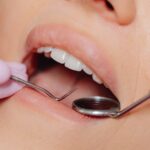
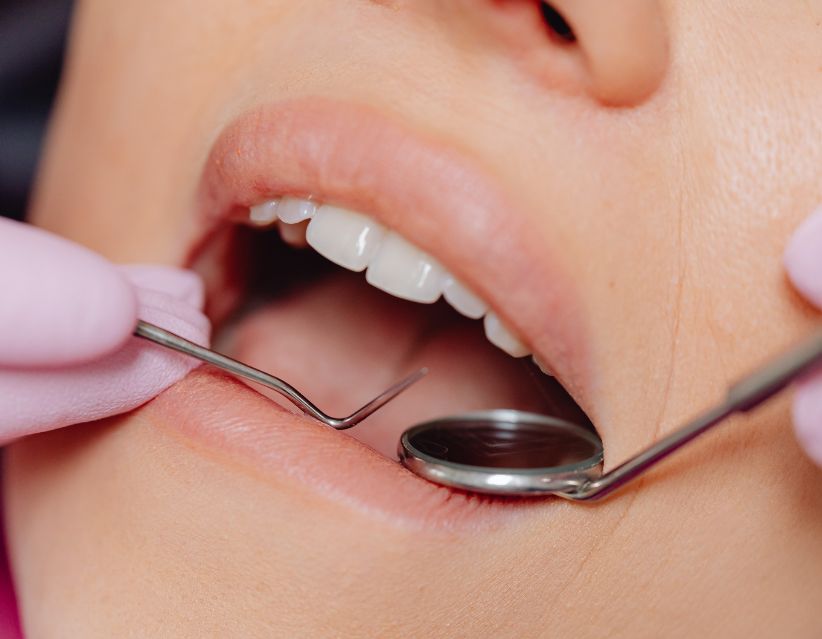
When you walk into a dental office about black triangle teeth, a good dentist will not go straight to recommending a cosmetic fix. The first step is figuring out whether active gum recession, bone loss, or periodontal disease is involved. X-rays, probing depth measurements, and a look at your full dental history all factor in.
If periodontal disease is present and active, that gets treated first. Doing cosmetic work on top of an unhealthy foundation will not hold and can actually make things worse. Once gum health is stable, the conversation about aesthetics and correction can begin.
Decision Guide by Cause
- After orthodontic treatment, healthy gums: Composite bonding or Bioclear is often the first recommendation.
- Significant gum recession with bone loss: Periodontal treatment first, then possible gum grafting or bonding.
- Triangular tooth shape with stable gums: Bonding, Bioclear, or veneers depending on size of gap and preference.
- Multiple cosmetic concerns alongside the triangles: Veneers or a combination approach.
- Mild gaps and no active disease: Improved oral hygiene habits may be enough.
Prevention and Aftercare Tips That Actually Matter
Daily Habits That Protect Your Papilla
Switching to a soft-bristled toothbrush and using gentle circular motions instead of aggressive back-and-forth scrubbing can make a real difference over time. Gum tissue is surprisingly sensitive, and years of rough brushing add up.
When it comes to flossing, the goal is to guide the floss down into the gum line rather than snap or force it. Interdental brushes or a water flosser can be gentler alternatives that still clean effectively without traumatizing the papilla.
Keeping regular dental appointments and getting plaque buildup professionally cleaned before it progresses to periodontal disease is the single best preventive step. Most of the cases of black triangle teeth linked to disease could have been slowed or prevented with consistent care.
After Treatment Care
If you have had composite bonding or Bioclear, avoid biting into very hard foods directly with those teeth, since composite resin can chip. Staining foods and drinks like coffee and red wine are worth moderating in the first few weeks. Your dentist will schedule a follow-up to check the bite and polish the bond.
For those who have had gum grafting, the recovery period requires a soft diet and careful oral hygiene around the surgical site. The graft tissue needs time to integrate, and follow-up with your periodontist is essential.
Want more self-care routines that keep your wellness on track? Check out this self-care Sunday guide and this beginner morning yoga routine that I personally use to start the day right.
Quick Tips for Black Triangle Teeth
Frequently Asked Questions About Black Triangle Teeth
Are black triangle teeth normal?
They are quite common, appearing in more than half of adults, but they are not something to ignore without checking. Sometimes they indicate gum recession, bone loss, or past periodontal disease. A quick dental exam will tell you whether it is purely cosmetic or needs attention.
Can black triangles between teeth go away on their own?
Very small triangles that appeared due to mild gum recession may improve slightly if you reduce inflammation through better oral hygiene, but most do not close without treatment. The papilla does not naturally regenerate well once lost.
What is the best treatment for black triangle teeth?
It depends entirely on the cause. Composite bonding and Bioclear are common first choices for cosmetic cases with healthy gums. Gum grafting is appropriate when there is significant gum recession. A dentist or periodontist will guide you toward the right option after evaluation.
Do black triangle teeth mean I have gum disease?
Not necessarily. They can also be caused by tooth shape, aging, or orthodontic treatment. However, periodontal disease is one of the main causes, so getting checked is always the smart move.
Can Bioclear close black triangles between teeth?
Yes. Bioclear is specifically designed to address black triangle teeth and open gingival embrasures with a seamless composite method. Many patients see dramatic improvement in a single appointment when the gums are healthy and the gap size is suitable.
Ready to feel more confident about your smile?
Start with a conversation with your dentist about black triangle teeth. The right information makes all the difference.
If you are working on your overall wellness alongside your dental health, you might also enjoy reading about DIY hair masks, the 7-second morning ritual, and even tips on why your ear makes a crackling noise. Small health concerns deserve clear answers, and that is exactly what we are here for.