
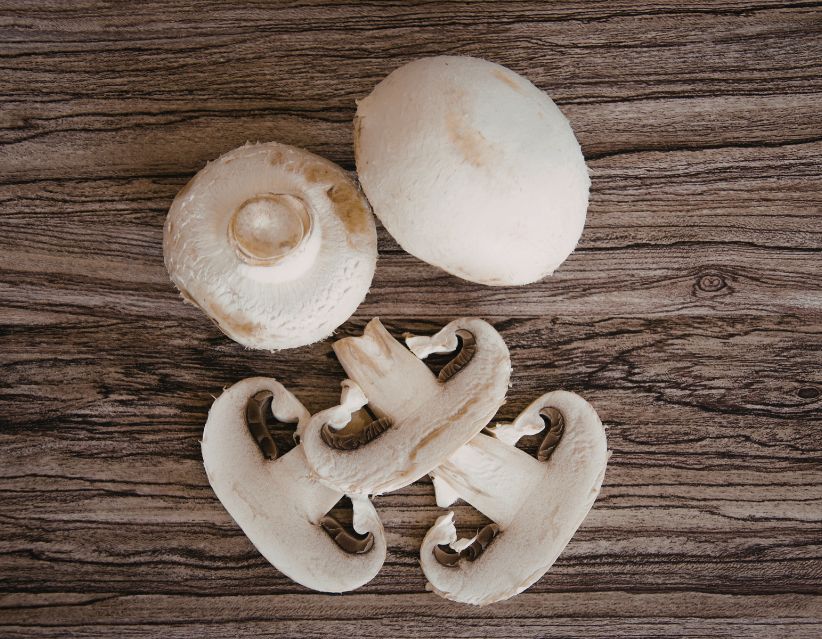
I still remember the first time I really paid attention to what was sitting in our kitchen basket. It was one of those slow Sunday afternoons when she pulled out her worn little notebook, the one she had been filling for years with home remedy notes and food research gathered for my grandfather’s diabetes management. She flipped to a dog-eared page and pointed at two words: baby bella mushrooms.
“These are not just for cooking,” she said. “These are medicine in a vegetable form.”
That moment changed how I shop, cook, and eat. Since then, baby bella mushroom nutrition has become something I genuinely care about. Not just as a food fact, but as something I use in real meals every single week. Today I want to share everything I have learned so you can make the most of this simple ingredient too.
What Are Baby Bella Mushrooms, and Why Should You Care?
The Basics You Need to Know First
Baby bella mushrooms, also widely known as cremini mushrooms, are the younger, brown version of the common white button mushroom. They belong to the Agaricus bisporus family, the same species that eventually matures into the large portobello mushroom you see at restaurants.
The name “baby bella” comes from their resemblance to the larger portobello in both color and flavor. Compared to white mushrooms, cremini mushrooms have a deeper, earthier taste that makes them a solid choice in vegetarian cooking.
They are sold in most grocery stores year-round, are very affordable, and fit into almost any meal, from a simple morning toast to a hearty evening soup. Once you understand their nutritional value, you will start reaching for them a lot more often.
A Food My Family Started Using for a Reason
When our family started researching foods that could help manage blood sugar naturally for my grandfather, cremini mushrooms kept showing up in the health notes being collected. Low glycemic index. Good fiber content. Rich in B vitamins and selenium. The more the research grew, the more baby bellas became a regular part of our vegetarian kitchen.
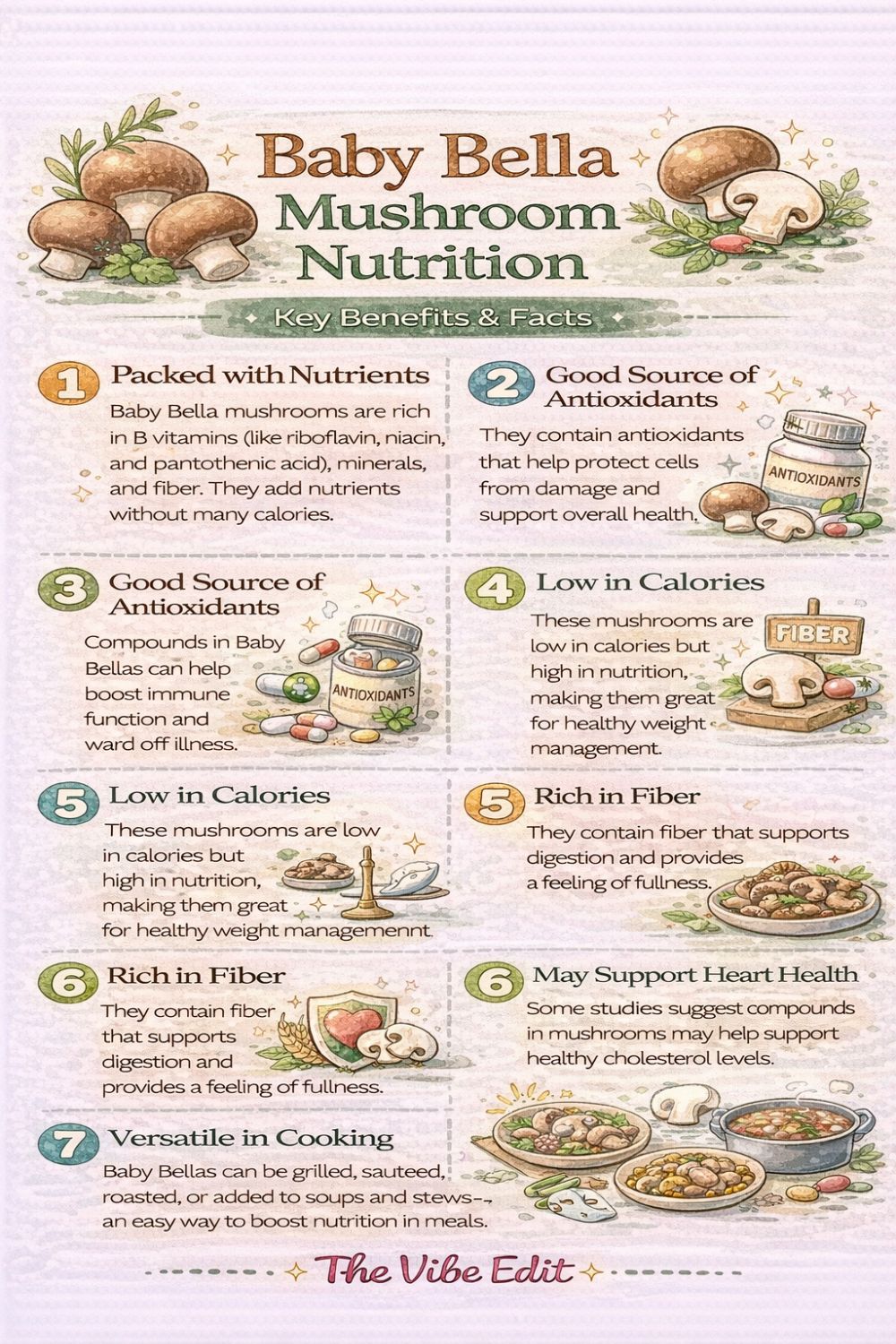
Baby Bella Mushroom Nutrition Facts: The Full Breakdown
What Is in a Standard Serving?
Here is a clear look at the baby bella mushroom nutrition facts for a 3-ounce (85 g) raw serving, based on USDA data:
| Nutrient | Amount Per Serving |
|---|---|
| Calories | ~20 kcal |
| Protein | ~2 g |
| Total Carbohydrates | ~4 g |
| Dietary Fiber | ~0.5 g |
| Total Fat | ~0.1 g |
| Sodium | ~5 mg |
| Potassium | ~305 mg |
| Selenium | ~14 mcg |
| Riboflavin (B2) | ~0.3 mg |
| Niacin (B3) | ~3.5 mg |
| Pantothenic Acid (B5) | ~1.2 mg |
| Copper | ~0.3 mg |
That is a solid nutrition profile for something with only 20 calories. The ratio of nutrients to calories here is genuinely hard to match with most other vegetables.
Macros Explained: Calories, Protein, and Carbs in Baby Bella Mushrooms
Baby Bella Mushroom Calories
At roughly 20 calories per 3-ounce serving, baby bellas are one of the most calorie-friendly foods you can add to your plate. Whether you are managing weight, dealing with blood sugar concerns like my grandfather, or just trying to eat cleaner, these mushrooms let you eat a satisfying portion without worrying about calorie overload.
Baby Bella Mushroom Protein Content
With about 2 grams of protein per serving, baby bellas are not a protein replacement on their own, but they do add up. In vegetarian meals where protein sources need to be varied, adding them to lentil soups, paneer dishes, or bean-based salads gives you a useful protein contribution without making the meal heavy.
Carbs and Fiber
The 4 grams of carbohydrates in baby bellas include a useful amount of dietary fiber, which supports gut health and helps regulate blood sugar. The fiber slows glucose absorption, making them a practical choice for anyone watching their glycemic response. This is part of why they appeared so often in my family’s diabetes research notes.
Vitamins and Minerals: Where Baby Bellas Stand Out
B Vitamins for Energy and Metabolism
Baby bella mushrooms are one of the few plant-based foods that naturally contain a good range of B vitamins. For vegetarian families who do not consume meat or eggs, this matters a lot.
- Riboflavin (B2): Supports energy metabolism and healthy skin
- Niacin (B3): Helps convert food into usable energy and supports brain function
- Pantothenic Acid (B5): Important for hormone production and metabolic processes
- Folate (B9): Supports cell repair and healthy blood production
These are nutrients that many vegetarians find harder to get in adequate amounts. Cremini mushrooms are a straightforward way to help with that.
Selenium: A Key Antioxidant Mineral
Selenium is one of the standout minerals in cremini mushrooms. A single 3-ounce serving provides a meaningful amount of your daily selenium needs. Selenium works as an antioxidant in the body, protecting cells from damage caused by free radicals. It also supports thyroid function and contributes to immune defense.
Potassium for Heart Health
At around 305 mg of potassium per serving, baby bellas help support healthy blood pressure by counteracting the effects of sodium in the diet. For anyone with a family history of heart concerns, this is a genuinely useful dietary addition.
Copper and Phosphorus
Copper in cremini mushrooms supports iron absorption and nervous system function. Phosphorus works alongside calcium for strong bones and teeth, which matters especially for women as they get older.
Antioxidants and Bioactive Compounds in Baby Bella Mushrooms
Why Antioxidants Matter in Everyday Eating
Antioxidant compounds neutralize unstable molecules in your body that damage cells over time. This kind of cellular damage is connected to chronic inflammation, heart disease, and other long-term health concerns.
Baby bella mushrooms contain several notable antioxidants worth knowing about:
- Ergothioneine: A unique amino acid found almost exclusively in mushrooms. It accumulates in body tissues and works against oxidative stress over time.
- Glutathione: One of the body’s key antioxidants. Cremini mushrooms are among the richer dietary sources of this compound.
- Polyphenols: Plant compounds that help reduce inflammation in the body.
These are part of why researchers have been paying more attention to mushrooms in the context of long-term disease prevention.
What About Vitamin D?
Baby bella mushrooms do not naturally contain significant vitamin D unless they have been exposed to UV light after harvesting. Some brands sell UV-treated cremini mushrooms with higher vitamin D levels. If this is something you want to track, check the label before buying.
Health Benefits of Baby Bella Mushrooms
Immune System Support
The combination of selenium, B vitamins, ergothioneine, and beta-glucans (a type of fiber found in mushroom cell walls) makes baby bellas a genuine support for immune function. Beta-glucans have been studied for their ability to activate immune cells and help the body respond more effectively to infections and inflammation.
Heart and Blood Pressure Health
The potassium and copper in cremini mushrooms both contribute to cardiovascular health. Potassium helps regulate blood pressure, while copper supports red blood cell production and vessel health. Since baby bellas are also very low in sodium and nearly fat-free, they fit well into a heart-friendly diet.
Weight Management
With only 20 calories per serving and high water content, baby bella mushrooms are filling without adding much to your daily calorie intake. Their fiber also promotes a sense of fullness. Swapping out heavier ingredients for mushrooms is one of the more practical ways to reduce overall calories without feeling like you are eating smaller meals.
Blood Sugar Regulation
The low glycemic impact of baby bellas, thanks to their fiber and low carbohydrate load, means they do not cause the kind of blood sugar spikes that starchy foods do. For anyone managing diabetes or insulin sensitivity, adding cremini mushrooms regularly to meals is a straightforward, evidence-supported choice.
Gut Health
The fiber in baby bella mushrooms acts as a prebiotic, feeding the beneficial bacteria in your gut. A healthy gut microbiome is increasingly linked to better digestion, stronger immunity, and lower levels of inflammation throughout the body.
How to Eat Baby Bella Mushrooms: Simple, Vegetarian-Friendly Ideas
Once you know how nutritious they are, you naturally start finding ways to add them to more meals. Here are some of my personal go-to ways to use them:
- Stir-fry: Slice baby bellas and cook with garlic, soy sauce, and whatever vegetables you have. Done in under 10 minutes.
- Soup: Add to tomato-based or lentil soups for extra depth and protein.
- Stuffed mushrooms: Remove the stems, fill with spiced paneer or soft cheese, and bake until golden.
- Sauteed on toast: Cook with olive oil, garlic, and a squeeze of lemon. Pile on whole grain toast for a filling, nutritious breakfast.
- Mixed into pasta: Their texture makes them a practical vegetarian option in pasta sauces.
Cooking baby bellas deepens their flavor and also helps the body absorb some of their nutrients, including B vitamins and antioxidants, more effectively. You can eat them raw in salads too, but cooking is usually the better choice for both taste and nutrition.
Buying and Storing Baby Bella Mushrooms: Tips That Actually Help
Quick Tips
Tip 1: Store baby bella mushrooms in a paper bag in the refrigerator rather than a plastic bag. Paper allows airflow, which prevents moisture buildup and slows spoilage. They usually stay fresh for up to a week this way.
Tip 2: Add cremini mushrooms to high-protein vegetarian meals like lentil curries or paneer stir-fries to get a natural nutrition boost without extra calories.
When buying, look for firm, dry mushrooms with no slimy patches or strong odor. Whole mushrooms stay fresh longer than pre-sliced ones, so go for whole when you can.
Frequently Asked Questions About Baby Bella Mushroom Nutrition
Are baby bella mushrooms nutritious?
Yes. They are low in calories and contain a useful range of vitamins, minerals, and antioxidants. For their calorie count, they offer one of the better nutrition profiles among common vegetables.
How many calories are in baby bella mushrooms?
A 3-ounce (85 g) raw serving contains approximately 20 calories, making them one of the lower-calorie foods you can add to a meal.
Do baby bella mushrooms contain vitamin D?
Not in significant amounts naturally. Some commercially sold cremini mushrooms are UV-treated after harvest to increase their vitamin D content. Check the label if this is a priority for you.
Are cremini and baby bella mushrooms the same thing?
Yes. Baby bella mushrooms and cremini mushrooms are the same variety, a young, brown form of Agaricus bisporus. The name differs by brand and region, but the mushroom itself is the same.
Can you eat baby bella mushrooms raw?
Yes, they are safe to eat raw in salads or as a snack. That said, cooking improves both the flavor and the absorption of certain nutrients. Most people prefer them cooked.
Final Thoughts on Baby Bella Mushroom Nutrition
If there is one thing I have genuinely taken from the research that shaped our family’s eating habits, it is that baby bella mushrooms deserve more credit than they usually get. They are affordable, easy to find, low in calories, and packed with B vitamins, selenium, potassium, and antioxidants that support immunity, heart health, and blood sugar regulation in real, measurable ways.
For vegetarian kitchens, they add a meaty texture and deep flavor that makes plant-based meals feel more satisfying. They are not a trend or a fad. They are just a practical, nutritious food that fits into everyday cooking without any effort.
If you want to keep exploring health-supporting foods and daily wellness habits, here are a few related reads from Vibe Edits that are worth your time:
- How Clove Water Benefits Your Health: 7 Science-Backed Reasons to Try It — another everyday kitchen ingredient with solid health research behind it
- How to Understand Cramps But No Period: 7 Causes You Need to Know — because women’s health questions deserve clear, honest answers
- Therapist vs Psychiatrist: Which Mental Health Provider Do You Actually Need? — a practical guide that clears up a lot of common confusion
Take care of yourself, and start with what is already in your kitchen.











One Response