

Last summer, I sat in my doctor’s office clutching a bottle of leftover amoxicillin from a previous infection. My urinary tract infection symptoms were unbearable, and I thought I had the solution in my purse. I was wrong, and what happened next taught me everything about why antibiotics for UTIs aren’t as simple as I assumed.
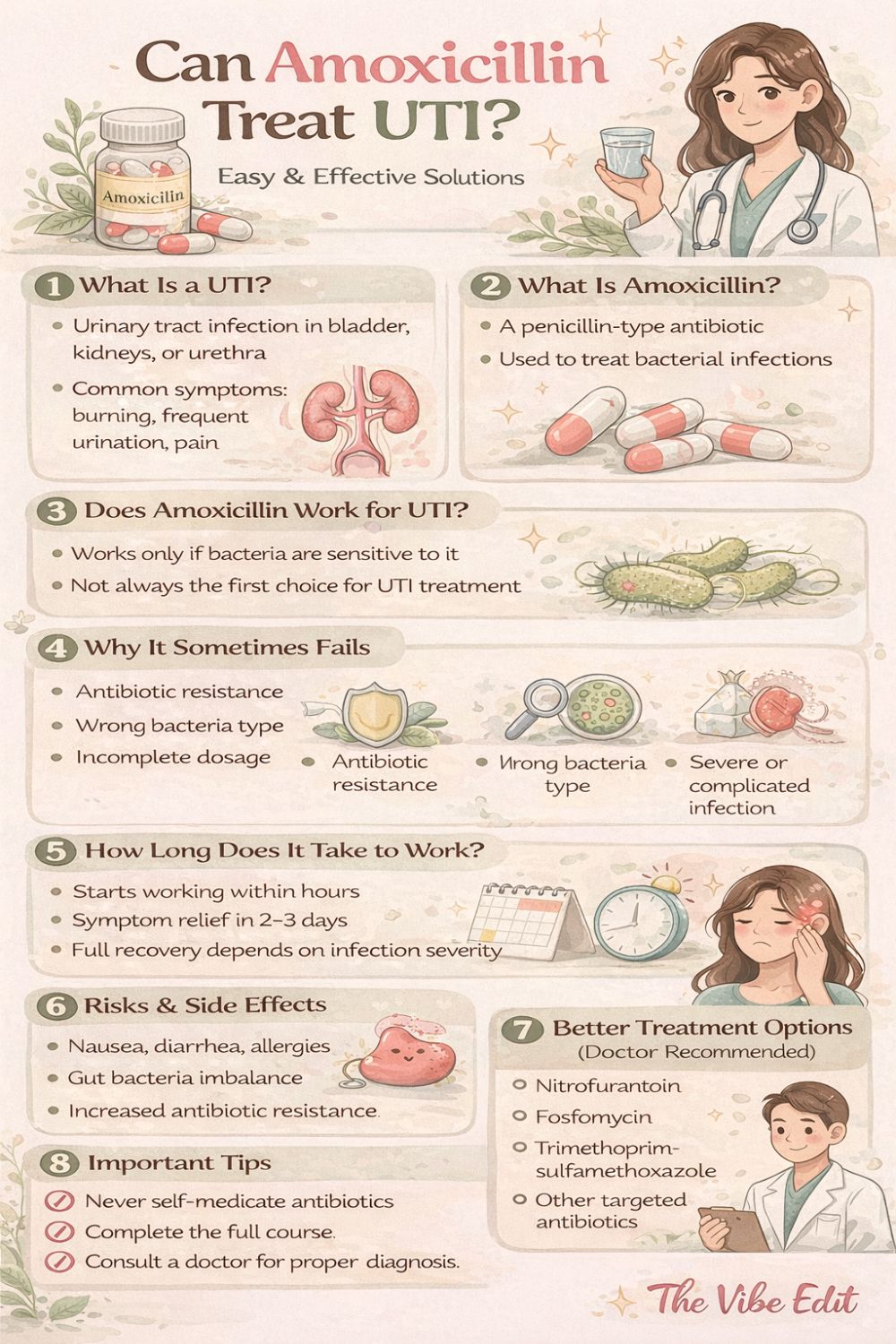
Amoxicillin can treat a urinary tract infection only if testing shows the bacteria causing your infection are sensitive to it. In the United States, many UTIs resist amoxicillin, so doctors usually choose other antibiotics unless a urine culture confirms it will work. For most uncomplicated UTI cases, medications like nitrofurantoin or trimethoprim-sulfamethoxazole are more effective first-line antibiotics.
Let me share what I discovered through my experience and the research that followed.
Understanding UTIs and Why Antibiotics Matter
What Actually Causes Urinary Tract Infections
My doctor explained that about 80-90% of urinary tract infections in the U.S. are caused by E. coli bacteria. This surprised me because I always thought UTIs came from not drinking enough water or poor hygiene habits. While those factors matter, the real problem is bacterial invasion into the urinary tract.
E. coli naturally lives in your digestive system, but when it enters the urinary tract, it triggers that burning, urgent feeling we all dread. Women get UTIs more frequently than men because of anatomy. Our urethras are shorter, which gives bacteria an easier path to the bladder.
Other bacteria can cause urinary tract infections too. Staphylococcus saprophyticus, Klebsiella, and Proteus species all show up in urine culture results. Each strain responds differently to antibiotics, which is exactly why the medication that worked for your friend might not work for you.
The Difference Between Uncomplicated and Complicated UTIs
When my doctor mentioned uncomplicated vs complicated UTI, I had no clue what she meant. Here’s what I learned: an uncomplicated UTI happens in healthy people with normal urinary tracts. It’s painful and annoying, but relatively straightforward to treat.
A complicated UTI involves additional factors like pregnancy, diabetes, kidney problems, or structural abnormalities in the urinary tract. These infections need more aggressive treatment and closer monitoring. The distinction matters because it changes which antibiotics doctors prescribe and how long you take them.
Why Amoxicillin Isn’t First Choice for UTI Treatment
The Antibiotic Resistance Problem
Here’s the truth that shocked me: antibiotic resistance has made amoxicillin largely ineffective for urinary tract infection treatment in many areas. Studies show that 30-50% of E. coli strains in the U.S. now resist amoxicillin. That means if you take it, there’s almost a coin flip chance it won’t work.
When bacteria resist an antibiotic, they’ve developed ways to survive its attack. E. coli can produce enzymes that break down amoxicillin before it kills the bacteria. Other strains have changed their cell walls so the medication can’t penetrate. This happens through natural selection when antibiotics are overused or misused.
I think about all those times I stopped taking antibiotics early because I felt better, or when I shared pills with family members. Every time someone does this, resistant bacteria get an advantage. They survive, multiply, and pass their resistance to other bacteria.
What Makes Other Antibiotics Better
My doctor prescribed nitrofurantoin instead, and I asked why. She explained that certain antibiotics concentrate in urine at high levels, making them perfect for urinary tract infection treatment. Nitrofurantoin reaches the bladder in strong concentrations, targeting bacteria where they’re causing problems.
First-line antibiotics for uncomplicated UTI include:
- Nitrofurantoin (Macrobid)
- Trimethoprim-sulfamethoxazole (Bactrim)
- Fosfomycin (Monurol)
These medications face lower antibiotic resistance rates than amoxicillin. They’re designed specifically for urinary tract infections and work faster. Most people feel better within 48 hours, though you must finish the entire course.
Geographic Patterns in Resistance
Antibiotic resistance varies by location. Some communities have higher amoxicillin resistance rates than others. Urban hospitals tend to see more resistant strains than rural clinics. Your doctor knows the local resistance patterns and prescribes accordingly.
This is why bringing leftover antibiotics from another state or country creates problems. What worked in one place might fail in another due to different bacterial populations.
When Doctors Still Prescribe Amoxicillin for UTI
Special Circumstances Where It Makes Sense
Despite resistance concerns, amoxicillin still has a place in urinary tract infection treatment. My friend took it during pregnancy after her urine culture showed sensitivity. Pregnancy changes everything because many antibiotics pose risks to developing babies.
Amoxicillin is considered safe during pregnancy when bacterial testing supports its use. Doctors also prescribe it when patients have allergies to other antibiotics. If you react badly to sulfa drugs like Bactrim, amoxicillin becomes an option worth testing.
Pediatric urinary tract infections sometimes call for amoxicillin, especially in young children. The medication comes in liquid form with a taste kids tolerate better than alternatives. When a urine culture confirms sensitivity, it’s a reasonable choice for treating children.
When Urine Culture Results Guide Treatment
A urine culture test takes 24-48 hours but provides crucial information. The lab grows bacteria from your urine sample and tests different antibiotics against them. This process, called sensitivity testing, shows exactly which medications will work.
If your urine culture shows E. coli or other bacteria sensitive to amoxicillin, your doctor might prescribe it. The test removes guesswork and ensures you’re taking medication that targets your specific infection.
I wish I’d understood this earlier. When my symptoms kept returning, I finally got a urine culture instead of just the quick dipstick test. The results showed my bacteria were completely resistant to amoxicillin but sensitive to nitrofurantoin.
Cost Considerations and Access Issues
Amoxicillin costs less than many newer antibiotics. In communities with limited healthcare access, this matters. When patients can’t afford first-line antibiotics and testing shows amoxicillin will work, it’s a practical choice.
Some insurance plans cover amoxicillin more readily than alternatives. If you’re facing high copays for other medications and your urine culture supports amoxicillin use, cost-effectiveness becomes a legitimate consideration.
Amoxicillin Dosage for UTI in Adults
Standard Dosing Recommendations
When doctors prescribe amoxicillin for UTI, the typical amoxicillin dosage for UTI is 500 mg three times daily or 875 mg twice daily. The exact dosage depends on infection severity and your medical history.
My pharmacist emphasized taking doses evenly spaced throughout the day. If you’re taking it three times daily, aim for every 8 hours. For twice-daily dosing, stick to every 12 hours. Consistency helps maintain effective medication levels in your system.
Never adjust your dosage without consulting your doctor. Taking too little invites antibiotic resistance. Taking too much increases side effects without improving results.
Factors That Influence Dosing
Body weight affects amoxicillin dosage for UTI in some cases. People with kidney problems need adjusted doses because the medication clears through your kidneys. If your kidneys don’t function fully, standard doses could build up to dangerous levels.
Age plays a role too. Older adults often take modified doses due to age-related kidney changes. Your doctor considers these factors when prescribing, so always mention any kidney issues or other health conditions.
Treatment Duration and What to Expect
The typical amoxicillin UTI treatment duration runs 3-7 days for uncomplicated UTI cases. More severe or complicated UTI infections might require 10-14 days. Never stop early, even if you feel better.
I learned this lesson the hard way. After three days on antibiotics, my symptoms disappeared. I stopped taking the pills because I felt fine. Two weeks later, the infection roared back worse than before. The remaining bacteria had multiplied, and now they were partially resistant.
Symptoms should improve within 48-72 hours if the antibiotic is working. You might notice less burning, reduced urgency, and clearer urine. If symptoms worsen or don’t improve after three days, contact your doctor immediately.
Some people experience mild symptoms for a few days after finishing antibiotics. This is normal as your urinary tract heals. Persistent symptoms beyond a week post-treatment warrant a follow-up appointment.
Side Effects and Safety Concerns
Common Side Effects of Amoxicillin
Like all antibiotics, amoxicillin causes side effects in some people. I experienced mild nausea the first day, which passed after I started taking it with food. Common side effects include:
Stomach upset and nausea happen frequently but usually stay mild. Eating before taking your dose helps minimize discomfort. Diarrhea occurs because antibiotics disrupt normal gut bacteria. Taking probiotics might help, though discuss this with your doctor first.
Yeast infections trouble many women taking antibiotics for UTI. The medication kills beneficial bacteria that normally prevent yeast overgrowth. If you’re prone to yeast infections, talk to your doctor about preventive measures.
Headaches, dizziness, and fatigue affect some people. These typically fade as your body adjusts to the medication. Severe or persistent side effects require medical attention.
Serious Reactions to Watch For
Allergic reactions to amoxicillin range from mild rashes to life-threatening anaphylaxis. My cousin developed hives and facial swelling after her second dose. She now carries an EpiPen and avoids all penicillin-family antibiotics.
Warning signs of serious reactions include difficulty breathing, severe skin reactions, intense abdominal pain, or bloody diarrhea. Seek emergency care immediately if these occur.
Some people develop antibiotic-associated colitis, where antibiotics damage intestinal lining. This causes severe, persistent diarrhea with cramping. It’s uncommon but serious enough to warrant awareness.
Drug Interactions
Amoxicillin interacts with certain medications. It can reduce birth control pill effectiveness, so use backup contraception during treatment. Blood thinners like warfarin may need dose adjustments because amoxicillin affects their metabolism.
Always tell your doctor about supplements and over-the-counter medications you take. Even seemingly harmless products can interact with antibiotics.
Comparing Amoxicillin to Other UTI Antibiotics
How Different Antibiotics Work
Understanding why alternatives often beat amoxicillin for UTI helped me accept my doctor’s prescription choice. Each antibiotic has unique strengths.
Nitrofurantoin concentrates in urine and stays in your bladder longer than amoxicillin. This sustained presence gives it more time to kill bacteria. It works specifically in the urinary tract, which minimizes effects on gut bacteria and reduces yeast infection risk.
Trimethoprim-sulfamethoxazole attacks bacteria differently than amoxicillin. It prevents bacteria from making essential compounds they need to survive. E. coli resistance to this combination remains lower than amoxicillin resistance in most areas.
Fosfomycin is a single-dose treatment that concentrates in urine for days. You take one packet mixed with water, and it keeps working. This simplicity improves compliance, you can’t forget doses when there’s only one.
Effectiveness Comparison
Here’s what research shows about antibiotic effectiveness for uncomplicated UTI:
Nitrofurantoin cures about 90% of cases when bacteria are sensitive to it. Amoxicillin cures roughly 70-75% of cases it’s used for, but that drops significantly when considering overall resistance rates.
Fosfomycin offers 85-90% cure rates with incredible convenience. Trimethoprim-sulfamethoxazole succeeds in 85-90% of cases where resistance isn’t present.
These numbers explain why doctors choose alternative antibiotics over amoxicillin for most urinary tract infection cases. Higher success rates mean fewer repeat infections and less need for secondary antibiotics.
Cost and Availability Differences
Amoxicillin wins on price, typically costing $10-$20 without insurance. Nitrofurantoin runs $15-$50 depending on formulation. Fosfomycin can cost $50-$100, though generic versions have reduced prices recently.
All these medications are widely available at pharmacies. Accessibility isn’t usually an issue unless you live in very remote areas. Insurance coverage varies, but most plans cover first-line antibiotics for UTI with reasonable copays.
Understanding Antibiotic Resistance and Testing
Why Urine Culture Tests Matter
Getting a urine culture test changed how I approach UTIs. The quick dipstick test your doctor might do in the office only shows if you have an infection. It doesn’t identify which bacteria or which antibiotics will work.
A urine culture requires sending your sample to a lab. Technicians grow the bacteria and expose them to different antibiotics. After 48 hours, they know exactly what you’re dealing with and what will kill it.
Insurance usually covers urine culture costs for recurrent infections or when initial antibiotic treatment fails. Some doctors order them automatically for anyone with more than two UTIs yearly.
I wish more doctors ordered urine culture tests upfront instead of after the first antibiotic fails. It would save time, reduce suffering, and prevent antibiotic resistance from spreading.
How Resistance Develops
Antibiotic resistance isn’t mysterious. It happens through natural selection. When you take antibiotics, most bacteria die. The few naturally resistant bacteria survive and multiply. Eventually, the resistant population dominates.
Incomplete antibiotic courses accelerate resistance. Taking just enough amoxicillin to feel better but not enough to kill all bacteria creates perfect conditions for resistance to develop.
Unnecessary antibiotic use for viral infections contributes too. Colds and flu don’t respond to antibiotics, but many people pressure doctors for prescriptions. This exposes bacteria to medication unnecessarily, promoting resistance.
Agricultural antibiotic use adds to the problem. Farms give antibiotics to livestock, creating resistant bacteria that can transfer to humans. It’s a complex issue without simple solutions.
Reducing Your Resistance Risk
You can help prevent antibiotic resistance by always finishing prescribed courses. Never save antibiotics for later or share them with others. Each infection needs proper diagnosis and appropriate medication.
Ask your doctor if you really need antibiotics. Sometimes infections resolve on their own with supportive care. For UTI symptoms, avoid the temptation to self-treat with leftover medications.
Practice good hygiene to prevent urinary tract infections altogether. Drinking plenty of water, urinating after intercourse, and wiping front to back all help reduce infection risk.
When to See a Doctor Immediately
Most UTIs respond to treatment within days, but certain symptoms demand immediate medical attention. I developed a kidney infection once because I delayed care, thinking my UTI would resolve on its own.
Seek emergency care if you experience fever above 101°F with chills, severe back or side pain, nausea and vomiting, or confusion. These signal possible kidney infection, a serious complicated UTI requiring hospitalization.
Blood in urine that looks dark or cloudy red warrants prompt evaluation. A little pink tinge might be normal, but obvious blood needs investigation.
If symptoms worsen while taking antibiotics, don’t wait for your scheduled follow-up. Call your doctor right away. The medication might not be working, or you might have complications.
Frequently Asked Questions About Amoxicillin and UTI
Can amoxicillin cure a UTI completely?
Amoxicillin can completely cure a urinary tract infection if the bacteria causing your infection are sensitive to it. However, many UTI-causing bacteria in the U.S. now resist amoxicillin, which means it won’t work for everyone. A urine culture test determines if it’s the right choice for your specific infection. Without testing, there’s roughly a 50% chance the bacteria will resist the medication.
How long does amoxicillin take to work for a UTI?
When amoxicillin is effective for UTI treatment, symptoms typically improve within 48-72 hours. You might notice less burning, reduced urgency, and decreased pain when urinating. However, feeling better doesn’t mean the infection is gone. Continue taking amoxicillin for the full prescribed duration, usually 3-7 days, to completely eliminate the bacteria and prevent recurrence.
Is amoxicillin safe for UTIs during pregnancy?
Doctors may prescribe amoxicillin for urinary tract infections during pregnancy if urine culture testing confirms the bacteria will respond to it. Amoxicillin is generally considered safe during all pregnancy stages, unlike some other antibiotics that can harm developing babies. Pregnant women should never take antibiotics without medical supervision, as untreated UTIs during pregnancy can lead to serious complications.
Why didn’t amoxicillin work for my UTI?
Antibiotic resistance is the most common reason amoxicillin fails to treat urinary tract infections. The bacteria causing your UTI have likely developed resistance to amoxicillin, making it ineffective. Other possibilities include taking an insufficient dosage, not completing the full treatment course, or having a complicated UTI requiring stronger medication. If amoxicillin doesn’t work, request a urine culture to identify which antibiotic will be effective.
Can I take leftover amoxicillin for a UTI?
Never take leftover amoxicillin for a UTI without consulting your doctor. Using old antibiotics can worsen antibiotic resistance, delay proper treatment, and allow your infection to spread to your kidneys. Each urinary tract infection requires proper diagnosis and appropriate medication selection. What worked for a previous infection or different condition might not work now, and self-treating contributes to growing resistance problems.
Two Quick Tips for UTI Prevention
First, stay hydrated by drinking at least 6-8 glasses of water daily. Proper hydration flushes bacteria from your urinary tract before they can multiply into full infections. I keep a water bottle at my desk now as a constant reminder.
Second, don’t hold urine when you need to go. Emptying your bladder regularly prevents bacteria from establishing themselves. I used to wait hours between bathroom breaks at work, which my doctor said probably contributed to my recurrent UTIs.
My Final Thoughts
Learning about amoxicillin for urinary tract infection treatment wasn’t just about one medication. It opened my eyes to how antibiotic resistance affects all of us and why following medical advice matters so much.
Yes, amoxicillin can treat a UTI, but it’s not the automatic choice it once was. Modern medicine has better options with lower resistance rates and higher success rates. Trust your doctor’s prescription choice, finish your entire antibiotic course, and insist on urine culture testing if infections keep returning.
That uncomfortable conversation with my doctor last summer led to proper testing, effective treatment, and no more recurring infections. Sometimes the answer isn’t what we expect, but it’s exactly what we need.














One Response