
I’ll be straight with you, I stumbled onto this whole castor oil in the belly button thing during one of those late-night scrolling sessions when my stomach was doing backflips. My bloating had been terrible for weeks, and a friend mentioned that her aunt swore by this old home remedy. Honestly, I was skeptical. Putting oil in your navel to fix digestion? It sounded wild.
But here’s the thing: my granny had actually written about this in her old remedy notebook. She’d been collecting these traditional practices for years while caring for my grandfather, and I found a whole section on navel therapy tucked between her diabetes management notes. So I figured, why not dig deeper and actually understand what this is about?
After trying it myself and doing proper research, I’m sharing everything I learned. This isn’t some magic cure, and I’ll tell you exactly what works, what doesn’t, and what you absolutely need to know before trying it.
Castor oil in belly button is basically an Ayurvedic practice that’s been around for centuries. The idea is simple: your navel is connected to multiple veins and pathways during fetal development, and some traditional medicine systems believe it remains a powerful point for absorbing nutrients even after birth.
Now, before you get too excited, let me be clear. Modern science hasn’t found strong evidence that dropping oil into your belly button creates systemic effects throughout your body. But that doesn’t mean it’s completely useless or that people haven’t experienced benefits.
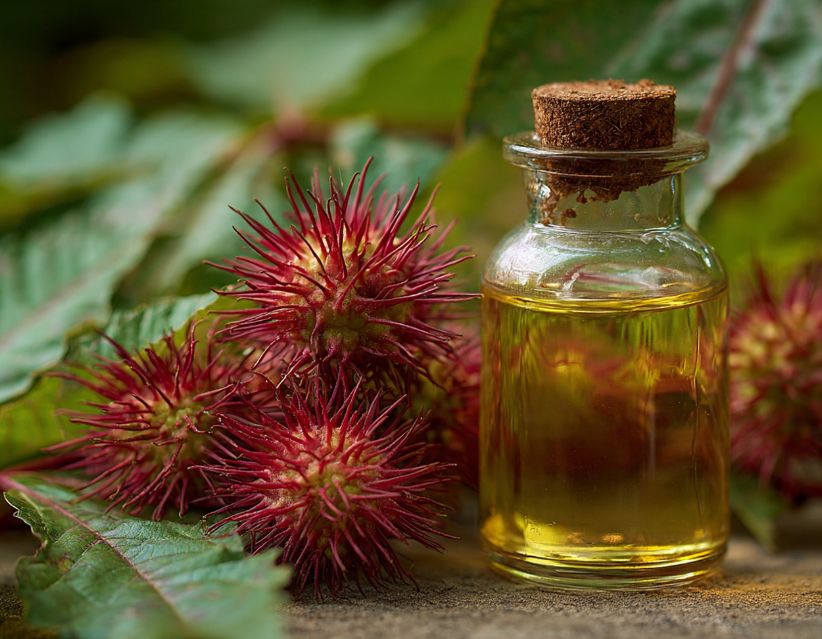
Castor oil itself comes from castor beans and contains something called ricinoleic acid, which has legitimate anti-inflammatory properties. The FDA recognizes it as a stimulant laxative when you actually swallow it, but topical use is a different story.
Why People Are Obsessed With It
Walk through any wellness TikTok feed and you’ll see videos of people putting castor oil on navel and claiming everything from better digestion to clearer skin. Some say it helps with:
- Bloating and uncomfortable fullness
- Constipation relief
- Period cramps
- Dry skin around the stomach area
- Better sleep (though this one’s really anecdotal)
My granny’s notes mentioned it mostly for digestive comfort and skin hydration, which makes more sense than some of the wilder claims floating around online.
The Science Behind Castor Oil (What Actually Matters)
Let me break down what we actually know about castor oil and what’s just hopeful thinking.
What Castor Oil Really Does
Ricinoleic acid makes up about 90% of castor oil’s fatty acid content. This compound has been studied and shows genuine anti-inflammatory effects. When you apply topical castor oil, it can:
- Moisturize dry skin effectively
- Reduce minor inflammation on the surface
- Create a protective barrier that locks in moisture
When you ingest it (which I’m NOT recommending casually), it works as a powerful laxative by irritating your intestinal lining and causing contractions. This is why doctors sometimes recommend it for severe constipation, but it comes with serious side effects like cramping and dehydration.
Here’s where things get fuzzy. Traditional navel therapy assumes that substances applied to the belly button can be absorbed into your bloodstream and distributed throughout your body. The theory points to the umbilical cord connection we all had as fetuses.
Reality check: once that cord is cut and heals, you don’t have the same vascular highway anymore. Your navel is just regular skin with some scar tissue underneath. Can it absorb some substances? Sure, skin absorbs topical products all the time. But thinking it’ll shoot oil directly to your intestines or liver? That’s not how adult anatomy works.
A study I found while researching noted that while ricinoleic acid can penetrate skin layers, expecting it to travel through your body and specifically target digestive organs is a stretch. The amounts that might get absorbed are tiny compared to oral doses.

My Personal Experience Trying It
Okay, storytime. I tried this for three weeks straight because I wanted to give it a fair shot. My bloating had been brutal, especially after meals, and I was willing to try anything that wasn’t medication.
Week One: The Learning Curve
I bought cold-pressed, hexane-free castor oil from a health store. Important detail: quality matters here. I did a patch test first (more on that in a minute), then started applying about 3-4 drops into my navel before bed.
The first few nights? Nothing dramatic. My skin around the belly button area definitely felt more hydrated, and the oil absorbed slower than I expected. I’d wake up with a slightly oily navel, so I started putting a small cotton ball over it to protect my sheets.
Week Two: Noticing Changes
By day 10, something interesting happened. My stomach did feel less tight in the mornings. Was it the castor oil in belly button? Was it because I was also drinking more water and being mindful of what I ate because I was in “experiment mode”? Honestly, probably a combination.
I didn’t experience any magical digestive overhaul, but the ritual itself made me more aware of my gut health. Sometimes that awareness alone changes your habits.
Week Three: The Verdict
I kept it up for another week and noticed the skin benefits were definitely real. The area around my navel was softer and less dry. The digestive benefits? Subtle at best. My bloating improved slightly, but I think that had more to do with me cutting back on late-night snacks and staying hydrated.
Would I recommend it as a cure for constipation or serious digestive issues? Absolutely not. But as part of a broader self-care routine focused on gut health? It might be worth trying if you’re curious.
How to Apply Castor Oil to Belly Button Safely
If you’re going to try this, please do it right. Granny always said half the remedy’s effectiveness comes from doing it properly and safely.
Step-by-Step Application Guide
Step 1: Get Quality Oil
Buy cold-pressed, organic castor oil. Avoid anything with added fragrances or hexane processing. You want pure oil with all the ricinoleic acid intact.
Step 2: Patch Test First
This is non-negotiable. Put a drop of oil on your inner forearm and wait 48 hours. If you see redness, itching, or any reaction, don’t use it. Skin irritation is the most common issue with castor oil, and your navel skin can be sensitive.
Step 3: Clean Your Navel
Seriously, clean it. Use mild soap and water, then dry completely. A dirty belly button plus oil can trap bacteria and cause infections. Not fun.
Step 4: Apply the Oil
Put 3-5 drops of castor oil directly into your navel. Use a dropper for precision. Gently massage it in circular motions for about a minute to help absorption.
Step 5: Cover if Needed
Place a cotton ball over your navel to prevent staining your clothes. Some people skip this, but trust me, castor oil stains are stubborn.
Step 6: Timing
Most people do this before bed and leave it overnight. You can also try it during the day for 20-30 minutes if overnight feels too messy. Start with 2-3 times per week, not daily.
What You Absolutely Shouldn’t Do
- Don’t use castor oil that’s expired or smells rancid
- Don’t apply it to broken skin or an infected navel
- Don’t ingest it without medical supervision (can cause severe diarrhea)
- Don’t expect it to replace actual medical treatment
- Don’t use it if you’re pregnant without asking your doctor first
Potential Benefits (What’s Real vs What’s Hype)
Let me separate the genuine possibilities from the internet nonsense.
Realistic Benefits You Might Experience
- Skin Hydration: This one’s legitimate. Castor oil is an excellent moisturizer. If you have dry skin around your stomach, it’ll help. The navel area specifically can get dry and flaky, especially in winter.
- Minor Digestive Comfort: Some people report feeling less bloated. I experienced this mildly. Is it the oil absorbing through your belly button and traveling to your intestines? Probably not. Is it the relaxing ritual, combined with lying down and massaging your stomach area? More likely.
- Reduced Inflammation: The anti-inflammatory properties of ricinoleic acid are real. If you have minor skin irritation around your navel area, it might help soothe it.
Claims That Need Reality Checks
- Detoxification: Your liver and kidneys handle detox. Oil in your navel isn’t doing this. Period.
- Weight Loss: Nope. No evidence. Anyone claiming this is selling something.
- Curing Constipation: Topical navel application won’t act like a laxative. If you need help with constipation, talk to a doctor about safe oral doses or try dietary changes first.
- Balancing Hormones: This claim pops up for period cramps. While massage and warmth might help menstrual discomfort, there’s no mechanism for castor oil on navel to balance hormones systemically.
Risks and Side Effects You Need to Know
Nothing’s risk-free, even natural remedies. Here’s what can go wrong.
Common Issues
- Skin Reactions: The most frequent problem. Castor oil can cause redness, itching, or rashes in sensitive individuals. Always patch test.
- Infections: If your belly button isn’t clean or you trap moisture, you risk bacterial or yeast growth. Keep the area clean and dry between applications.
- Staining: Castor oil is thick and sticky. It will stain fabrics. Use old clothes or cover the area.
Serious Concerns with Ingestion
Never casually drink castor oil. Yes, it’s used medically as a laxative, but it can cause:
- Severe diarrhea and cramping
- Dehydration and electrolyte imbalances
- Nausea and vomiting
- In extreme cases, bowel obstruction
Pregnant women especially should avoid ingesting it, as it’s been used historically (dangerously) to induce labor.
When to See a Doctor
Stop using castor oil in belly button and see a healthcare provider if you experience:
- Persistent skin irritation or rash
- Signs of infection (warmth, pus, severe redness)
- Worsening digestive symptoms
- Any concerning reactions
If you have ongoing digestion problems, bloating, or constipation, don’t rely on home remedies. Get proper medical evaluation. My granny was big on natural remedies, but she also knew when to send my grandfather to the doctor.
Alternatives and Complementary Practices
If you’re interested in supporting your gut health and skin, here are other evidence-based approaches.
Castor Oil Packs
A castor oil pack is more established in alternative medicine. You soak a cloth in warm castor oil, place it over your abdomen, cover with plastic wrap and a heating pad, and rest for 30-60 minutes.
Does it work better than navel application? Potentially. The warmth and compression over a larger area might provide more comfort for digestive issues. Plus, heat itself helps with cramping and bloating.
Digestive Health Basics
Honestly, these boring basics did more for my gut than any topical oil:
- Staying hydrated (huge for constipation)
- Eating enough fiber from vegetables, fruits, and whole grains
- Regular movement and exercise
- Managing stress (my bloating got worse during exam weeks)
- Identifying food triggers through an elimination diet
Other Topical Approaches
- Peppermint oil (diluted!) massaged on the stomach can help with digestive discomfort
- Warm compresses for cramping
- Gentle abdominal massage following your intestinal pathway
FAQs About Castor Oil in Belly Button
Q1: Will castor oil in my belly button help constipation?
Anecdotally, some people report relief, but there’s no reliable scientific evidence that topical navel application treats constipation systemically. Ingesting castor oil can act as a laxative, but it carries risks like severe diarrhea and dehydration. For chronic constipation, focus on hydration, fiber intake, and consult a healthcare provider rather than relying on navel therapy.
Q2: How often should I apply castor oil to the navel?
Start with 2-3 times per week to see how your skin reacts. Always patch test first. If you experience any irritation, redness, or discomfort, stop immediately. Some people use it nightly, but there’s no evidence that more frequent application increases benefits. Listen to your body.
Q3: Can castor oil in the belly button cause infection?
Yes, if proper hygiene isn’t maintained. If you don’t clean your navel before application, the trapped oil can create a warm, moist environment that encourages bacterial or yeast growth. Always clean the area gently with soap and water before applying oil, and ensure it’s completely dry between applications.
Q4: Is cold-pressed castor oil better for navel application?
Yes, cold-pressed castor oil is generally superior. It’s processed without heat or chemicals (like hexane), which preserves more of the beneficial ricinoleic acid and reduces the risk of contaminants. Look for organic, hexane-free options for the purest product with fewer potential irritants.
Q5: Can pregnant people use castor oil in their belly button?
It’s best to avoid it. While topical navel application is different from ingestion, pregnant women should check with their healthcare provider before using castor oil in any form. Historically, castor oil has been used to induce labor (which can be dangerous), and it’s better to err on the side of caution during pregnancy.
Quick Tips for Safe Application
Tip 1: Patch Test Properly
Don’t skip this step. Apply a small amount of castor oil to your inner forearm and wait a full 48 hours. This area has similar sensitivity to your navel region. If any redness, itching, or irritation appears, your body is telling you not to use it. Better to find out on your arm than on your stomach.
Tip 2: Use Cotton Protection
Castor oil stains are incredibly stubborn. Place a cotton ball or small cotton pad over your belly button after application to protect your clothes and sheets. You can secure it with medical tape if needed. This small step saves you from ruining your favorite pajamas. Trust me on this one.
Final Thoughts
So, does castor oil in belly button work? The honest answer is: it depends on what you’re hoping for.
If you want moisturized skin around your stomach area and enjoy the ritual of self-care focused on your gut, go for it. If you’re expecting it to cure constipation, eliminate bloating, or detox your liver, you’ll be disappointed.
My experience was positive overall, but mostly because it made me more intentional about my digestive health. The actual oil application? Probably helped my skin more than my gut.
Granny’s notebook had this practice alongside dozens of others, and she always emphasized one thing: natural remedies work best when combined with common sense, good nutrition, and medical care when needed. This isn’t a replacement for seeing a doctor if you have persistent digestive issues.
If you try it, start small, patch test, keep everything clean, and pay attention to how your body responds. And please, don’t drink the stuff or expect miracles.
Take care of your gut, stay curious, and remember that sometimes the simplest answer (drink more water, eat your vegetables, manage your stress) is the right one.