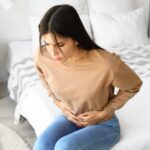
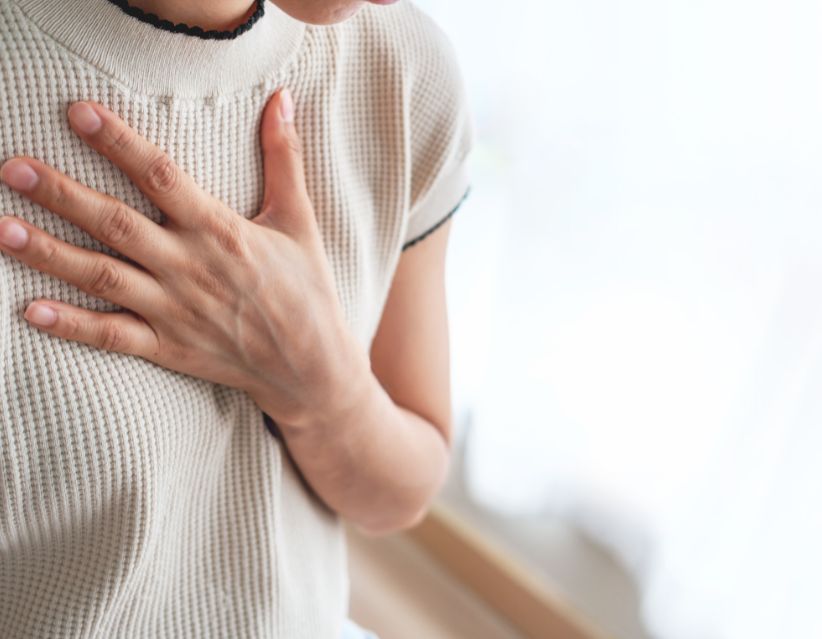
Last month, I woke up with this sharp, stabbing pain under my right breast. My first thought? Panic. I immediately started googling at 2 AM, which probably wasn’t my smartest move. But here’s what I learned after talking to my doctor and doing proper research: breast pain is incredibly common, and most of the time, it’s not something scary.
About 70% of women experience breast pain at some point in their lives. Whether it’s a dull ache, sharp stabbing sensation, or tender nipples, understanding what’s causing it can save you from unnecessary worry. I’m sharing everything I’ve learned because I know how stressful it can be when your body does something unexpected.
Understanding Breast Pain: What You Need to Know First
Before we jump into the causes, let me explain something my doctor told me that made everything click. There are two main types of breast pain:
- Cyclic breast pain happens in a pattern with your menstrual cycle. It usually shows up a week or two before your period and goes away once your period starts.
- Non-cyclic breast pain doesn’t follow any pattern. It can happen anytime and might be in one specific spot or throughout the breast.
Knowing which type you have helps figure out what’s going on.
Common Causes of Breast Pain in Females
Hormonal Changes and Your Menstrual Cycle
Why Do My Boobs Hurt Before My Period?
This is probably the most common question I see everywhere. Here’s what happens: during your menstrual cycle, your estrogen and progesterone levels go up and down like a roller coaster.
Right before your period, these hormones cause your breast tissue to retain fluid and swell. The milk ducts expand, and everything feels fuller and more sensitive. That’s why your breasts might feel heavy, tender, or even painful to touch.
I noticed mine always hurt more on the outer areas and feel lumpy. Totally normal, according to my doctor.
Breast Pain During Ovulation
Around day 14 of your cycle, when you’re ovulating, you might notice breast pain during ovulation too. The hormone surge that triggers ovulation can make your breasts feel tender or sore. It usually only lasts a few days.
What If My Breasts Have Stopped Hurting?
Some women notice their usual breast pain disappears suddenly. If you’re pregnant, this can actually be a normal sign that your hormones are stabilizing. But it can also just mean your hormone levels shifted naturally. If you’re concerned about pregnancy, take a test to know for sure.
Pregnancy and Breastfeeding Related Pain
What Part of the Breast Hurts in Early Pregnancy?
When I suspected I might be pregnant last year (false alarm), I learned that early pregnancy breast pain feels different from period-related pain. The tenderness usually affects the entire breast, but especially around the nipples and areola.
Your breasts might feel heavier, fuller, and extremely sensitive to touch. This happens because your body is flooding with pregnancy hormones preparing your breasts for milk production.
Nipple Soreness and Sensitivity
Nipple soreness during pregnancy or breastfeeding is super common. The areola might darken, and you might notice small bumps around the nipple (Montgomery glands) becoming more visible.
If you’re breastfeeding, cracked or sore nipples usually mean the baby’s latch needs adjustment. I watched my sister struggle with this, and a lactation consultant made all the difference.
Breast Pain That Isn’t Related to Hormones
Why Does My Breast Hurt When I Press It?
If you notice pain under your right breast or left breast when you press on it, you might be dealing with:
Costochondritis: This is inflammation where your ribs connect to your breastbone. It causes sharp pain that gets worse when you press on your chest or take deep breaths. I had this after carrying heavy grocery bags, and it felt exactly like breast pain but was actually my chest wall.
Pulled chest muscle: Yes, you can absolutely pull a muscle in your chest. This happens from exercise, heavy lifting, or even sleeping in a weird position. The pain is usually localized to one spot and hurts more when you move or stretch.
Muscle strain in females often gets confused with breast pain because the pectoral muscles sit right underneath breast tissue.
Pain Under Right Breast or Left Breast (Bra Line)
That annoying pain under right breast bra line or under the left breast? Usually, it’s from:
An ill-fitting bra putting pressure on your ribs
Costochondritis (rib inflammation)
Breast cysts pressing on tissue
Large breast size causing strain
I switched to a properly fitted sports bra for daily wear, and the difference was amazing. Get measured professionally because most women wear the wrong size.
Sharp Pain Under Right Breast
If you’re experiencing sharp pain under right breast, consider these possibilities:
Gallbladder issues (especially if pain comes after eating fatty foods)
Liver problems
Rib injury or inflammation
Referred pain from digestive issues
When to worry about breast pain: If the sharp pain is severe, doesn’t improve, or comes with other symptoms like fever, nausea, or yellowing skin, see a doctor immediately.
Breast Cysts and Fibrocystic Changes
Why Does My Breast Hurt in One Spot?
About three months ago, I felt a tender lump in my left breast. Cue the panic again. Turns out, I have fibrocystic breasts, which about 50% of women have.
Fibrocystic breast changes cause lumpy, bumpy tissue that can feel tender or painful, especially before your period. These aren’t cancerous, just annoying.
Breast cysts are fluid-filled sacs that can develop in your breast tissue. They feel like smooth, round lumps that can be tender when touched. They often change size with your menstrual cycle.
What Does a Breast Lump Feel Like?
A benign cyst feels smooth, round, and movable. It might be tender to touch. A concerning lump usually feels hard, irregular, doesn’t move easily, and typically doesn’t hurt.
But here’s the thing: do breast cancer lumps hurt? Usually, they don’t. Most breast cancer lumps are painless, which is exactly why regular self-exams and mammograms are so important.
Medications and Lifestyle Factors
Does Birth Control Make Your Boobs Bigger?
Yes, birth control can make your breasts bigger and more tender. The hormones in birth control pills, especially estrogen, can cause fluid retention and breast tissue growth.
Some women love this side effect, others find it uncomfortable. The tenderness usually improves after a few months as your body adjusts.
Hormone therapy for menopause can also cause breast pain and swelling for similar reasons.
Caffeine and Breast Pain
I’m a coffee addict, so this one hit me hard. Caffeine can make breast pain worse for some women. Cutting back on coffee, tea, and energy drinks might help reduce tenderness.
I didn’t want to give up my morning coffee completely, so I limited myself to one cup and noticed the aching before my period got better.
Breast Size and Support Issues
Why Are My Boobs So Far Apart or Asymmetrical?
First, let me tell you: one breast bigger than the other is completely normal. Most women have asymmetrical breasts. It’s usually not noticeable unless you’re really looking.
Side set breasts (breasts that are more spread apart) are just a natural breast shape variation. Neither causes pain by itself, but it can affect what kind of bra provides the best support.
Large Breast Size and Pain
Women with large breasts often experience chronic pain in their breasts, back, shoulders, and neck. The weight pulls on your chest wall and spine, causing strain.
A high-quality, well-fitted bra with good support is essential. Some women with very large breasts consider breast reduction surgery for pain relief.
Infections and Medical Conditions
Mastitis and Breast Infections
Mastitis is a breast infection that usually happens during breastfeeding, but can occur anytime. Symptoms include:
Red, warm, swollen breast tissue
Sharp, burning pain
Fever and flu-like symptoms
Hard lump in the breast
This needs antibiotics from a doctor. Don’t try to tough it out.
Inflammatory Breast Cancer (Rare)
I’m mentioning this not to scare you, but to inform you. Inflammatory breast cancer is rare but serious. Warning signs include:
Breast swelling that doesn’t go away
Skin that looks like an orange peel
Redness covering more than a third of the breast
Breast feels warm
Inverted nipple
If you notice these symptoms, see a doctor right away.
When to Worry About Breast Pain
Most breast pain isn’t dangerous, but here’s when you should definitely see a doctor:
See a doctor within a few days if:
Pain lasts more than a few weeks
Pain is severe and disrupting your daily life
You notice a new lump
Nipple discharge (especially bloody or clear)
Skin changes on your breast
Pain only in one specific spot that doesn’t improve
Go to urgent care or ER if:
Sudden severe pain with fever
Breast is red, hot, and swollen
You can’t move your arm due to breast pain
Sharp pain with difficulty breathing
How to Manage Breast Pain at Home
Quick Tip #1: The Right Bra Makes All the Difference
I can’t stress this enough. Get professionally fitted for a bra. Your band should be snug but comfortable, and your breast tissue should fill the cup without spilling over or gaping.
For daily wear, especially if you have large breast size, choose bras with:
Wide, padded straps
Full cup coverage
Supportive underwire or structured band
Breathable fabric
At night, a comfortable sleeping bra or soft sports bra can reduce movement and discomfort.
Quick Tip #2: Hot or Cold Therapy
For sore breasts, try alternating between warm and cold compresses. I use a heating pad for 10 minutes, then ice wrapped in a towel for 10 minutes.
Cold helps reduce inflammation and swelling. Heat improves circulation and relaxes tense tissue. Find what works for you.
Other Helpful Strategies
Reduce caffeine intake: Try cutting back on coffee, tea, chocolate, and energy drinks for a month to see if it helps.
Evening primrose oil: Some women find this supplement helpful for cyclic breast pain. Talk to your doctor first.
Over-the-counter pain relief: Ibuprofen or acetaminophen can help with aching and tenderness.
Wear a supportive bra during exercise: This is crucial. Regular bras don’t provide enough support during physical activity.
Maintain a healthy weight: Extra weight can increase breast size and related pain.
FAQs About Breast Pain
Why do my nipples hurt when touched but I’m not pregnant?
Nipple sensitivity happens for many reasons beyond pregnancy. Hormonal changes during your menstrual cycle, friction from clothing or bras, dry skin, or even temperature changes can make your nipples more sensitive. If your nipples are hard or sensitive, check if your bra is too tight or if you need to moisturize the area.
Why are my nipples so sensitive all of a sudden?
Sudden nipple soreness or sensitivity usually relates to hormonal fluctuations, medication changes (especially starting birth control), skin irritation from new detergent or soap, or infection. If you notice dry nipples or cracked nipples, apply a gentle moisturizer and ensure your bras are clean and well-fitting.
Does a mammogram hurt?
Does a mammogram hurt? The honest answer: it’s uncomfortable but quick. Your breast gets compressed between two plates for a few seconds. Some women describe it as pressure or a squeezing sensation. The discomfort varies based on breast size, density, and pain tolerance. Schedule it the week after your period when breasts are least tender. The brief discomfort is worth it for early detection.
Can you pull a muscle in your chest that feels like breast pain?
Absolutely yes. Pulled chest muscle pain often gets mistaken for breast pain because the pectoral muscles sit directly under breast tissue. This happens from exercise (especially push-ups or chest presses), carrying heavy bags, or awkward sleeping positions. The pain usually worsens with movement, pressing on the area, or stretching your arm.
When should I see a breast doctor?
See a breast doctor (breast specialist or oncologist) if your regular doctor finds something concerning during an exam, you have a strong family history of breast cancer, you notice persistent changes in your breast, or you’re due for a mammogram and want specialized care. Don’t hesitate to get a second opinion if you’re worried.
My Final Thoughts on Breast Pain
After my initial 2 AM panic and subsequent doctor visit, I learned that causes of breast pain are usually straightforward and manageable. Most of the time, it’s hormones doing their thing, a muscle strain, or something equally non-scary.
But I also learned to trust my instincts. If something feels off, get it checked out. There’s no such thing as a silly concern when it comes to your health.
I now track my symptoms in a simple notebook: when the pain happens, where it is, how long it lasts, and where I am in my cycle. This helped me see the pattern and also gave my doctor useful information.
Your breasts change throughout your life with hormones, weight changes, aging, and life events like pregnancy. Getting to know what’s normal for you makes it easier to spot when something isn’t right.
If you’re dealing with breast pain right now, I hope this guide helped you understand what might be going on. But remember: Google is helpful for information, but it’s not a substitute for a real doctor who can examine you and give personalized advice.
Take care of yourself, and don’t ignore persistent pain or concerning changes. You know your body best.