
I never thought a simple glass of spiced water could make such a difference until one morning I found my grandmother’s worn notebook filled with home remedies. She had collected recipes and observations for years, and clove water was one of her favorites. What started as curiosity turned into a daily habit that genuinely improved my oral health and digestion.
If you’re looking for a gentle, natural way to support your wellness routine, clove water benefits might surprise you. This aromatic drink has been used for centuries in traditional medicine, and now modern research is catching up to explain why it works. Let me walk you through everything I’ve learned about making and using clove water, backed by science and real experience.
What Is Clove Water?
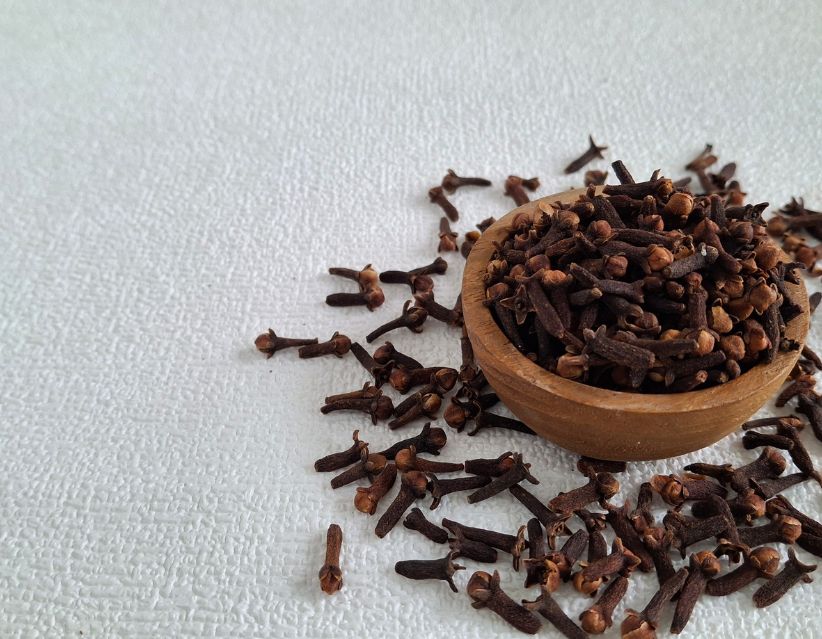
Clove water is exactly what it sounds like: water infused with whole cloves. These small, dark brown flower buds come from the clove tree and pack a powerful aromatic punch. When you steep them in water, the active compounds slowly release, creating a mildly spicy drink with impressive health properties.
Traditional medicine systems, especially in South Asia and the Middle East, have used clove water for digestive complaints, toothaches, and respiratory issues for generations. My family has been making it for decades, and I finally understand why they trust it so much.
The preparation is refreshingly simple. Drop a few whole cloves into hot or cold water, let them steep, and you’re done. No fancy equipment, no complicated steps. Just pure, straightforward wellness in a cup.
The Power of Eugenol: Clove’s Active Compound
The secret behind benefits of clove water lies in a compound called eugenol. This natural chemical makes up about 70 to 90 percent of clove oil and gives cloves their distinctive smell and therapeutic properties.
Eugenol works as an antioxidant, fighting harmful free radicals in your body. It also has antimicrobial effects, which explains why clove has been used in dental care for so long. Studies show eugenol can reduce inflammation, ease pain, and even help regulate blood sugar levels in laboratory settings.
Beyond eugenol, cloves contain polyphenols and other bioactive compounds that contribute to their health-promoting effects. When you make clove water, you’re extracting a gentler dose of these beneficial substances compared to concentrated clove oil, making it safer for regular consumption.
One thing to remember: most research focuses on clove extracts or oils, not plain clove water. The concentration of active compounds in your homemade infusion will be lower, so while the benefits of clove water are real, they’re more subtle than what you’d see with concentrated forms.

Top 7 Evidence-Backed Clove Water Benefits
1. Supports Oral Health and Fresh Breath
This was the first benefit I personally noticed. Using clove water as a mouth rinse transformed my morning breath and left my mouth feeling incredibly clean.
The antimicrobial properties of eugenol can help fight bacteria that cause bad breath and gum disease. Traditional dentistry has used clove oil for toothaches and infections for centuries. While drinking clove water for digestion won’t replace brushing and flossing, using it as a rinse provides an extra layer of oral health support.
I swish a small amount for about 20 seconds after my regular brushing routine. The mild numbing sensation is actually pleasant, and my gums feel healthier than they have in years. Similar to how natural remedies support dental health, clove water offers a gentle approach to oral care.
2. Delivers Antioxidant Protection
Antioxidants are your body’s defense system against oxidative stress, which contributes to aging and chronic diseases. Cloves rank among the highest antioxidant-containing spices according to research published in nutrition journals.
When you drink clove water regularly, you’re giving your cells a gentle boost of these protective compounds. The antioxidant effects won’t be as dramatic as taking high-dose supplements, but they add up as part of a healthy lifestyle.
I think of it as a small daily investment in long-term health, kind of like compound interest for your body.
3. Reduces Inflammation Naturally
Chronic inflammation underlies many modern health problems, from joint pain to heart disease. The anti-inflammatory compounds in cloves, particularly eugenol, have been studied for their ability to reduce inflammatory markers.
Animal studies show promising results, though human research specifically on clove water remains limited. Still, traditional use and preliminary evidence suggest that regular consumption may help manage mild inflammatory conditions.
I noticed less morning stiffness in my hands after a few weeks of drinking clove water. It’s not a miracle cure, but it’s a gentle, supportive addition to my routine.
4. May Support Healthy Blood Sugar Levels
This benefit caught my attention because healthy blood sugar management is important in my family. Some studies on clove extracts demonstrate improved insulin function and glucose metabolism in laboratory and animal models.
The research on plain clove water is less robust, but the blood sugar support potential is there. If you have diabetes or take medication, don’t replace your prescribed treatment. Clove water should complement, not substitute, medical care.
I drink it in the morning before breakfast, and while I can’t claim dramatic changes, I appreciate knowing I’m supporting my metabolism naturally.
5. Aids Digestion and Reduces Bloating
Clove water for digestion was one of the most trusted recommendations in my grandmother’s notebook, and modern science backs up this traditional use. Cloves can stimulate digestive enzymes, reduce gas, and ease stomach discomfort.
The carminative properties (meaning they help expel gas) make clove water particularly helpful after heavy meals. I’ve used it to settle mild bloating, and it works remarkably well without the harsh effects of over-the-counter medications. Just as natural approaches can support digestive health, clove water offers gentle relief.
For digestive support, I typically drink a small cup about 15 minutes before or after eating. The gentle warmth and aroma alone seem to prepare my stomach for digestion.
6. Promotes Scalp Health and Hair Growth
The internet is full of claims about clove water for hair growth, and while the evidence isn’t as strong as for other benefits, there’s something to it. The antimicrobial and circulation-boosting properties of cloves may create a healthier scalp environment.
I started using diluted clove water as a scalp rinse once a week, and I’ve noticed my hair growth seems slightly faster, with less flaking. Whether it’s the cloves or just better scalp care overall is hard to say, but the results speak for themselves.
The eugenol may also help fight fungal infections that contribute to dandruff. For anyone dealing with scalp irritation, this is worth trying as a gentle, natural approach.
7. May Benefit Skin Health
Clove water for skin isn’t as well-researched as oral consumption, but the antioxidant and antibacterial properties logically extend to topical use. Some people use it as a toner or spot treatment for acne.
The eugenol can help reduce bacteria on the skin while the antioxidants protect against environmental damage. I’ve used diluted clove water as a face rinse occasionally, and it leaves my skin feeling refreshed without irritation.
Just remember: always dilute clove water before applying to skin, and do a patch test first. The compounds can be potent.
How to Make Clove Water: 3 Simple Methods
Learning how to make clove water changed my mornings. Here are the three methods I use, depending on my schedule and purpose.
Method 1: Quick Boil (5 to 10 Minutes)
This is my go-to for immediate use.
Ingredients:
- 4 to 6 whole cloves
- 1 cup (250 ml) water
Steps:
- Add whole cloves to a small pot with water
- Bring to a gentle boil, then reduce heat
- Simmer for 5 to 10 minutes
- Steep off heat for another 2 to 3 minutes
- Strain and drink warm or let cool
This method extracts the compounds quickly and produces a stronger flavor. Perfect for morning digestion support.
Method 2: Overnight Steep (Cold Infusion)
For a milder, gentler version, I prep this before bed.
Ingredients:
- 3 to 5 whole cloves
- 1 cup (250 to 300 ml) room temperature or cold water
Steps:
- Place cloves in a glass of water
- Cover and leave at room temperature overnight (8 to 12 hours)
- Strain in the morning
- Drink as is or warm gently
This cold extraction gives you a less intense flavor with gentle benefits. Great for sensitive stomachs.
Method 3: Topical Rinse for Hair or Skin
For external use, I make a stronger batch.
Ingredients:
- 8 to 10 whole cloves
- 2 cups (500 ml) water
Steps:
- Boil water with cloves for 10 minutes
- Let steep until completely cool
- Strain and store in a clean bottle
- Dilute 1:2 with plain water before using as a rinse
Apply to scalp after shampooing, or use as a gentle face rinse. Always patch-test first.
Recommended Dosage and Best Practices
Dosage matters when you’re working with potent herbs like cloves. I stick to these guidelines based on traditional use and safety research:
- Daily consumption: 1 cup (250 ml) made with 4 to 6 whole cloves
- Frequency: Once or twice daily, preferably before meals
- Duration: Use cyclically, 3 to 4 weeks on, 1 week off
Never use clove essential oil internally. It’s far too concentrated and can cause serious side effects. Whole cloves steeped in water provide benefits without the risks.
For mouth rinse, use plain clove water (no dilution needed) and swish for 15 to 30 seconds. Don’t swallow large amounts as a mouthwash substitute.
Safety, Side Effects and Who Should Avoid Clove Water
While clove water benefits are impressive, safety comes first. Here are the precautions everyone should know:
Potential Side Effects:
- Mild stomach upset if consumed in excess
- Allergic reactions in sensitive individuals
- Possible lowering of blood sugar (monitor if diabetic)
- Increased bleeding risk with anticoagulant medications
Who Should Avoid or Use Caution:
- Pregnant and breastfeeding women: Limited safety data, avoid or consult healthcare provider
- Children: Too potent for infants, use caution with older kids
- People on blood thinners: Eugenol can increase bleeding risk
- Those with liver disease: High doses of eugenol may affect liver function
- Before surgery: Stop consumption 2 weeks prior due to bleeding concerns
I always recommend starting with a small amount to test your tolerance. If you experience unusual symptoms, stop use and consult a doctor.
Drug Interactions are real. If you take diabetes medications, blood thinners, or liver-affecting drugs, talk to your healthcare provider before making clove water part of your routine.
Practical Ways to Use Clove Water Daily
Beyond just drinking it straight, here’s how I incorporate clove water benefits into my wellness routine:
- Morning Ritual: Drink one cup of warm clove water 20 minutes before breakfast to support digestion and wake up my system.
- Oral Care Boost: Use as a mouth rinse after brushing, swishing for 20 to 30 seconds to support oral health and freshen breath.
- Scalp Treatment: Once weekly, apply diluted clove water to my scalp after shampooing, massaging gently before rinsing. This supports hair growth and scalp health.
- Facial Toner: Occasionally use heavily diluted clove water (1:3 ratio) as a face rinse after cleansing, avoiding eye area entirely.
- After-Meal Soother: Sip a small cup after heavy meals to reduce bloating and support digestive comfort.
The key is consistency without overdoing it. These small, regular applications deliver the best results over time. Just like maintaining balanced self-care routines, moderation makes the difference.
What the Research Really Says
Let me be honest about the evidence level here. Most studies focus on clove extracts, clove oil, or isolated eugenol, not plain clove water. The concentration of active compounds in your homemade infusion is much lower.
Lab and Animal Studies show:
- Strong antioxidant activity in test tubes
- Antimicrobial effects against various bacteria and fungi
- Anti-inflammatory responses in animal models
- Blood sugar regulation in diabetic rats
Human Research is limited but growing. Small clinical trials on clove extracts suggest benefits for oral health, inflammation markers, and metabolic health.
For Clove Water Specifically: Traditional use spans centuries, and anecdotal reports are overwhelmingly positive. The gentle extraction method means you’re getting beneficial compounds in safe, moderate amounts.
My approach is to appreciate clove water as a supportive home remedy while not expecting pharmaceutical-level results. It’s one piece of a larger health puzzle.
Frequently Asked Questions About Clove Water
Is clove water safe to drink daily?
For most healthy adults, drinking one cup of properly prepared clove water daily is safe. Use whole cloves (never essential oil), stick to recommended amounts (4 to 6 cloves per cup), and take breaks every few weeks. If you’re on medications, pregnant, or have chronic health conditions, consult your doctor first. I’ve been drinking it daily for months without issues, but everyone’s different.
How long should I steep cloves for water?
It depends on your method. For a quick brew, boil and steep for 5 to 10 minutes total. For a milder overnight infusion, leave whole cloves in room-temperature water for 8 to 12 hours. The longer steep produces gentler flavor but still extracts beneficial compounds. I personally prefer the overnight method for drinking and the quick boil for topical use.
Can clove water help hair growth?
While scientific evidence specifically for clove water for hair is limited, the antimicrobial and circulation-boosting properties may support a healthier scalp environment, which indirectly promotes hair growth. Most research focuses on clove oil extracts rather than water infusions. I’ve noticed improved scalp condition and slightly faster growth, but results vary. Use it as a supportive treatment, not a miracle cure.
Will clove water lower blood sugar?
Some studies on clove extracts show blood sugar regulation effects in animals and small human trials. However, plain clove water contains lower concentrations and isn’t proven enough to replace diabetes medications. If you have diabetes, monitor your levels carefully and work with your healthcare provider. Think of it as supportive, not therapeutic.
Can kids use clove water?
Avoid giving clove water to infants entirely. Eugenol is too potent for their developing systems. For older children, use extreme caution, heavily diluted amounts, and only after consulting a pediatrician. The compounds in cloves can be overwhelming for small bodies. I personally wouldn’t give it to anyone under 12 without medical guidance.
Two Quick Tips for Best Results
Tip 1: For Breath and Oral Health
Use clove water as a 15 to 30 second mouth rinse, not a swallowable mouthwash. The direct contact with gum tissue maximizes the antimicrobial benefits while minimizing compound intake. Spit it out after swishing, just like you would with commercial mouthwash. This method has dramatically improved my oral health without any stomach concerns.
Tip 2: For Scalp Use
Always dilute clove water with plain water at a 1:2 ratio (one part clove water to two parts regular water) before applying to your scalp. Patch-test on your inner arm first and wait 24 hours to check for reactions. The undiluted version can be too strong and cause irritation. I learned this the hard way. Dilution makes all the difference for comfortable, effective scalp care.
Making Clove Water Part of Your Wellness Routine
After months of regular use, I genuinely believe in clove water benefits. It’s not a magic bullet, but it’s a gentle, accessible way to support your health naturally. The antioxidant, antimicrobial, and anti-inflammatory properties work quietly in the background while you go about your day.
What I love most is the simplicity. No expensive supplements, no complicated protocols. Just whole cloves and water. Whether you’re looking to support oral health, improve digestion, try a natural scalp treatment, or simply add more antioxidants to your diet, clove water offers a time-tested solution.
Start small, pay attention to how your body responds, and adjust accordingly. Remember the safety guidelines, especially if you’re on medications or have health conditions. Track your experience for a few weeks and see if you notice the subtle shifts I did.
The beauty of natural remedies lies in their gentleness and sustainability. Clove water won’t transform your health overnight, but as part of a balanced lifestyle, it can make a meaningful difference. Give it a try. Your body might thank you for this simple, aromatic addition to your daily routine.
If you found this helpful, share your own experience with clove water in the comments. I’d love to hear how it works for you and what benefits you notice first.














2 Responses