Quick Answer: Nighttime heart palpitations are common and usually harmless. Typical triggers include late caffeine, alcohol, anxiety, or certain medicines. Sometimes sleep apnea or arrhythmia plays a role. See a doctor if you notice chest pain, fainting, shortness of breath, or repeated episodes lasting more than a few minutes.
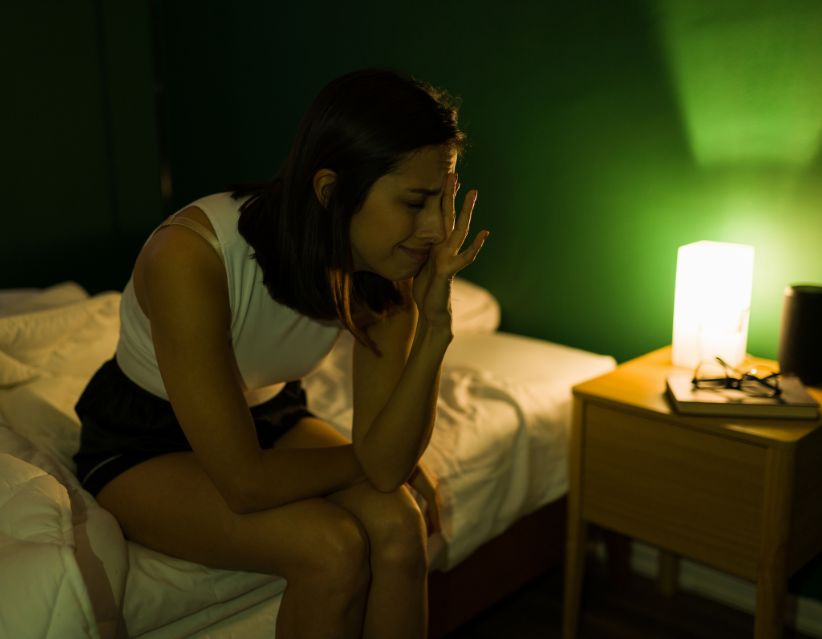
It was 2 AM on a Tuesday. I was lying in bed staring at the ceiling, heart thudding so loud I could almost hear it in the quiet of my room. My mind went straight to worst-case scenarios. Is something seriously wrong? Should I call someone?
I am not a doctor, but after going through this myself and spending months digging through medical research, home remedies from my family’s old notebooks, and conversations with healthcare providers, I finally understood what was actually happening. And more importantly, why your heart beating fast at night can’t sleep might be something you can address without panicking.
This post is for anyone who has ever jolted awake at midnight with a racing heart and no idea what to do. I will walk you through the real causes, what your body is trying to tell you, and practical steps you can take tonight.
What Does It Actually Feel Like? (Symptoms of Nighttime Palpitations)
How Do You Know If It’s Palpitations?
Heart palpitations at night can feel different for different people. Some describe it as a flutter, others feel a hard thump or a skipped beat. Some people wake up because their heart is racing, and others notice it only when they lie down and the room gets quiet.
Common sensations include:
- Pounding or thudding in the chest or throat
- Fluttering like a butterfly is trapped inside your ribcage
- Racing pulse that comes out of nowhere
- Skipped or extra heartbeats (these are often premature ventricular contractions or PVCs)
- A sudden awareness of your own heartbeat, especially when the room is very quiet
Why Do People Notice It More at Night?
During the day, you are busy, distracted, moving around. But at night, when everything slows down, your body becomes the loudest thing in the room. That is when you notice things you would have ignored at noon. This is completely normal. The quiet amplifies what is already happening.
Additionally, lying flat on your left side can put pressure on your heart and make palpitations more noticeable. It is not necessarily dangerous, just uncomfortable and often alarming.
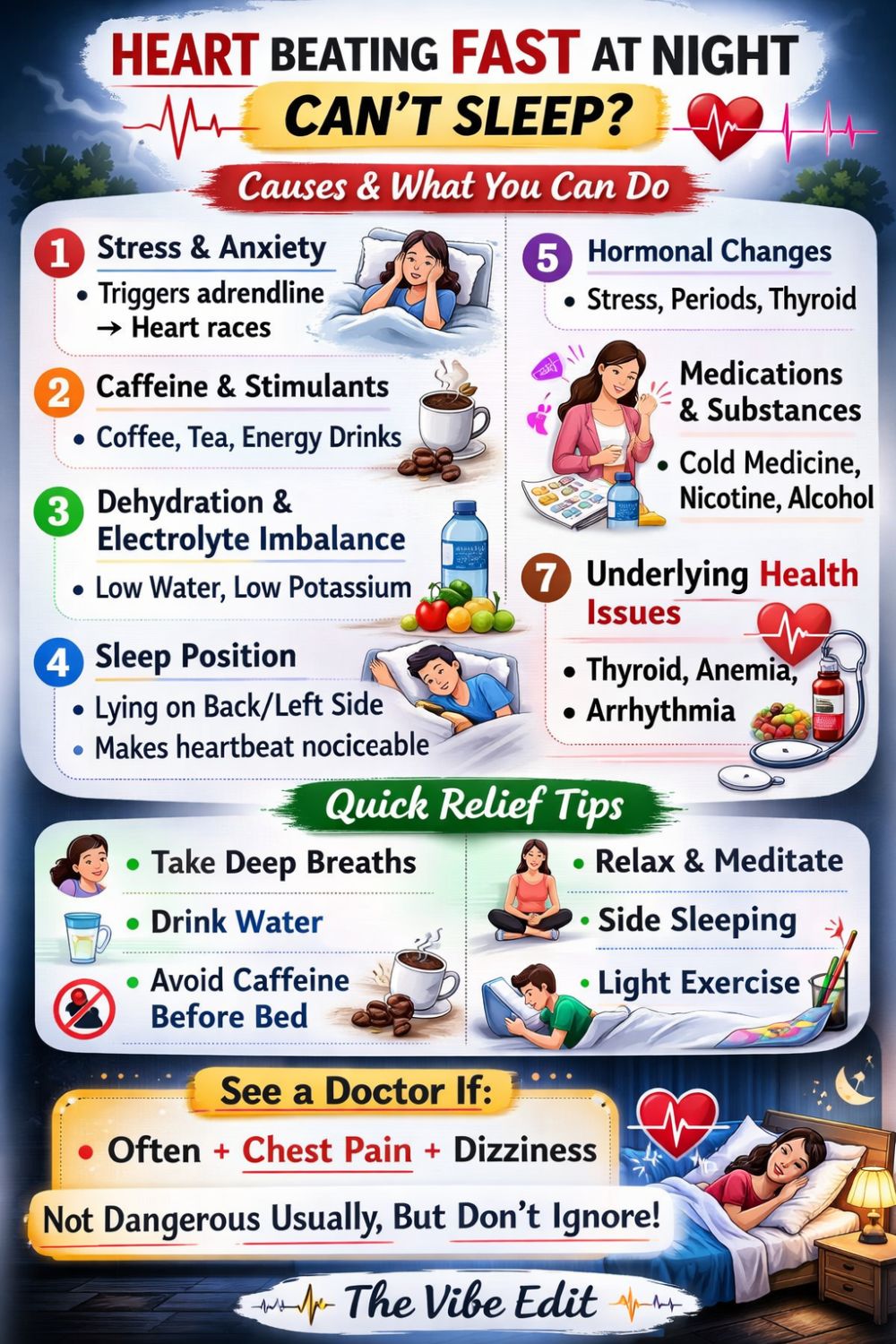
Why Is Your Heart Racing at Night? The Real Causes
Lifestyle Triggers: The Most Common Culprits
Caffeine and alcohol are two of the biggest reasons people experience nighttime heart palpitations causes. Here is what happens in your body:
Caffeine stays in your system for 6 to 8 hours. That afternoon cup of chai at 4 PM? It can still be circulating in your bloodstream when you go to bed at 10 PM. Caffeine stimulates your nervous system and keeps your heart rate slightly elevated.
Alcohol is deceptive. It feels relaxing at first, but as your body metabolizes it while you sleep, it triggers a rebound effect. Your heart rate spikes, your sleep quality drops, and you wake up around 2 to 4 AM, heart pounding. This is incredibly common and very misunderstood.
Other lifestyle triggers include:
- Nicotine: A stimulant that raises heart rate even in small amounts
- Heavy meals before bed: Especially spicy or high-carb foods that cause acid reflux, which can irritate the vagus nerve and trigger palpitations
- Dehydration: When your blood volume drops, your heart has to work harder to pump
- Energy drinks: Packed with caffeine, sugar, and stimulants that can cause heart racing at night causes
Stress and Anxiety: The Silent Midnight Triggers
If you have ever asked yourself “why does my heart race at night anxiety”, you are not alone. Anxiety is one of the most underdiagnosed causes of nighttime palpitations.
During the day, you push worries to the back of your mind. At night, those same worries resurface because there are no distractions. Your brain goes into overdrive, your body releases cortisol and adrenaline, and your heart responds by speeding up.
Stress-related palpitations feel real. They are real. Your nervous system is doing exactly what it is designed to do under perceived threat. The trick is learning to signal to your body that you are safe.
Medications That Can Cause Nighttime Heart Racing
Some common medications are linked to waking up with heart racing at night. These include:
- Decongestants: Like pseudoephedrine found in cold medicines
- Certain asthma inhalers: Especially beta-agonists like albuterol
- Thyroid medications: If the dose is slightly too high
- Some antidepressants and ADHD medications: Can stimulate the sympathetic nervous system
Always check your medication list with your doctor if palpitations started after beginning a new prescription.
When It Is More Than a Lifestyle Issue: Medical Causes
Arrhythmia and Atrial Fibrillation
Arrhythmia is an umbrella term for any irregular heart rhythm. Atrial fibrillation (AFib) is a specific type where the upper chambers of your heart beat chaotically. It can feel like a quivering or rapid fluttering, and it sometimes happens only at night.
AFib is more common than people realize, especially in adults over 40. If your palpitations feel irregular rather than just fast, or if they last longer than a few minutes and come with dizziness, that warrants a conversation with your doctor and possibly an ECG.
Sleep Apnea and Palpitations: A Hidden Connection
Sleep apnea is one of the most overlooked causes of nighttime heart racing. When you stop breathing for brief moments during sleep, your oxygen levels drop. Your body panics, releases adrenaline, and your heart rate jumps.
You might not even remember waking up, but your heart absolutely does. If you snore loudly, feel exhausted during the day despite sleeping 7 to 8 hours, or your partner says you stop breathing at night, please consider getting a sleep study done.
Thyroid Problems, Anemia, and Other Medical Causes
An overactive thyroid (hyperthyroidism) floods your body with thyroid hormone, which acts like a gas pedal on your heart. Anemia, where your blood does not carry enough oxygen, forces your heart to beat faster to compensate.
Both conditions are diagnosable with simple blood tests. If you have been feeling unusually tired, losing weight without trying, or feeling warm all the time alongside your palpitations, bring these up with your doctor.
Benign Triggers vs. Red Flags: Know the Difference
| Usually Harmless Triggers | Red Flags: Seek Medical Help |
| Late caffeine or energy drinks | Chest pain or tightness |
| Alcohol in the evening | Fainting or near-fainting |
| Stress or anxiety | Severe shortness of breath |
| Dehydration | Palpitations lasting 10+ minutes |
| Heavy meal before bed | Heart racing with sudden weakness |
| Cold or allergy medication | Rapid irregular rhythm (not just fast) |
What to Do Right Now When Your Heart Is Racing at Night
Immediate Calming Steps
When your heart starts racing at night and you can not sleep, these steps can help calm an episode within a few minutes:
- Sit up slowly: Do not bolt upright. Sit up gently and swing your feet to the floor.
- Slow your breathing: Breathe in for 4 counts, hold for 2, breathe out for 6 counts. Repeat 5 to 8 times. This activates the vagus nerve and tells your nervous system to calm down.
- Splash cold water on your face: This triggers the diving reflex and can quickly lower your heart rate.
- Avoid checking your pulse repeatedly: It makes anxiety worse and keeps you focused on the sensation.
- Try vagal maneuvers: Bearing down gently (like a bowel movement), humming, or coughing can stimulate the vagus nerve and slow the heart.
Your Nightly Routine to Prevent Palpitations
What to Eat and Drink Before Bed
As a vegetarian, my family has always leaned on plant-based evening meals. And it turns out, that actually helps. Heavy non-vegetarian meals, processed foods, and foods high in MSG can trigger palpitations in sensitive people.
Stick to light vegetarian dinners at least 2 to 3 hours before bed. Good options include:
- Warm dal or lentil soup with a small roti
- Khichdi: Easy to digest, gentle on the stomach
- A glass of warm milk with turmeric: Known to have calming properties
- Avoid caffeine after 2 PM, and skip that last cup of chai in the evening
Sleep Position and Environment
Sleeping on your right side or back is generally better if you experience nighttime palpitations. The left side position puts your heart closer to your chest wall, making you more aware of every beat.
Keep your room cool, dark, and quiet. A warm, stuffy room raises your heart rate slightly. Even a 2 to 3 degree drop in room temperature can make a measurable difference in sleep quality.
Magnesium: The Mineral Most People Are Missing
Low magnesium is linked to palpitations, muscle cramps, and poor sleep. Vegetarian sources rich in magnesium include spinach, pumpkin seeds, almonds, and dark chocolate.
Many people in India, especially women, are mildly deficient. A simple blood test can confirm if this is a factor for you.
How Doctors Diagnose Nighttime Heart Palpitations
Tests You Might Expect
If your palpitations are frequent, prolonged, or come with other symptoms, your doctor will likely recommend one or more of these:
- ECG (Electrocardiogram): A quick test that records your heart’s electrical activity. Great for catching arrhythmias if they happen during the test.
- Holter Monitor: A small wearable device you carry for 24 to 48 hours that continuously records your heart rhythm. If palpitations happen at night, this is the most useful tool.
- Event Monitor: Similar to a Holter but worn for weeks, activated only when you feel an episode.
- Blood Tests: To check thyroid function, iron levels, magnesium, electrolytes, and blood sugar.
- Sleep Study: If sleep apnea is suspected based on your history and symptoms.
Treatment Options: From Lifestyle to Medication
The good news is that most cases of heart palpitations at night treatment begin with simple lifestyle changes. For the majority of people, addressing caffeine, alcohol, stress, and sleep hygiene resolves the problem completely.
When a medical cause is identified, treatment is targeted to that cause:
- Anxiety: Cognitive behavioral therapy (CBT), breathing techniques, and sometimes short-term medication
- Arrhythmia: Beta-blockers, anti-arrhythmic medications, or in some cases, a procedure called ablation
- Sleep apnea: CPAP therapy, positional therapy, or weight management
- Thyroid issues: Thyroid medication adjustment
- Anemia: Iron supplements, dietary changes (vegetarian sources: spinach, lentils, sesame seeds, jaggery)
More Helpful Reads from Vibe Edits
If you enjoyed this post, you might also find these helpful on our site:
- Why Am I Trembling on Waking? Morning Shakes Explained
- Therapist vs Psychiatrist: Which Mental Health Provider Do You Actually Need?
- What Happens If You Drink Spoiled Milk? Symptoms, Risks & What to Do Next
Quick Tips to Try Tonight
- Tip 1: Practice 4-2-6 breathing (inhale 4, hold 2, exhale 6) for 5 minutes before bed to activate your vagal nerve and lower your resting heart rate.
- Tip 2: Cut out all caffeine, including chai, coffee, cola, and energy drinks, after 2 PM. Do this for just 5 days and notice whether nighttime racing improves.
Frequently Asked Questions
1. Are palpitations at night dangerous?
In most cases, no. The vast majority of heart palpitations at night are benign and linked to lifestyle factors like caffeine, alcohol, or stress. However, if they occur frequently, last more than 10 minutes, or come with chest pain, fainting, or breathlessness, you should see a cardiologist for evaluation.
2. Can anxiety cause my heart to race only at night?
Yes, absolutely. During the day, distractions keep anxiety in the background. At night, when your mind quiets and there are no tasks to focus on, anxiety symptoms rise to the surface. Your body releases stress hormones, and your heart rate responds. Breathing exercises, journaling before bed, and limiting news consumption in the evening can all help.
3. Will cutting caffeine stop nighttime heart racing?
For many people, yes. Caffeine and alcohol at night are the two most fixable causes of this problem. Most people see improvement within 3 to 5 days of eliminating late-day caffeine. Start by moving your last chai or coffee to before noon.
4. Could sleep apnea be causing my palpitations?
Yes, sleep apnea and palpitations are closely connected. When you stop breathing during sleep, oxygen levels drop and your heart races as a stress response. Signs of sleep apnea include loud snoring, waking up unrefreshed, daytime sleepiness, and morning headaches. Ask your doctor about a home sleep study if these sound familiar.
5. When should I go to the emergency room?
Go to the emergency room or call emergency services immediately if your rapid heartbeat is accompanied by:
- Chest pain or tightness
- Fainting or loss of consciousness
- Severe difficulty breathing
- Sudden weakness on one side of your body
- A heart rate above 150 beats per minute that does not slow down
Final Thoughts
That 2 AM moment of lying awake with a racing heart is scary. I have been there. But most of the time, your heart is not in danger. It is just responding to something in your environment, your diet, your stress levels, or your sleep setup.
Start with the simple things. Pull back on late caffeine. Lighten your evening meal. Try a few minutes of slow breathing before bed. And if things persist, please talk to a doctor. A simple ECG or Holter monitor can give you answers and peace of mind quickly.
Your sleep matters. Your heart matters. You deserve both.