
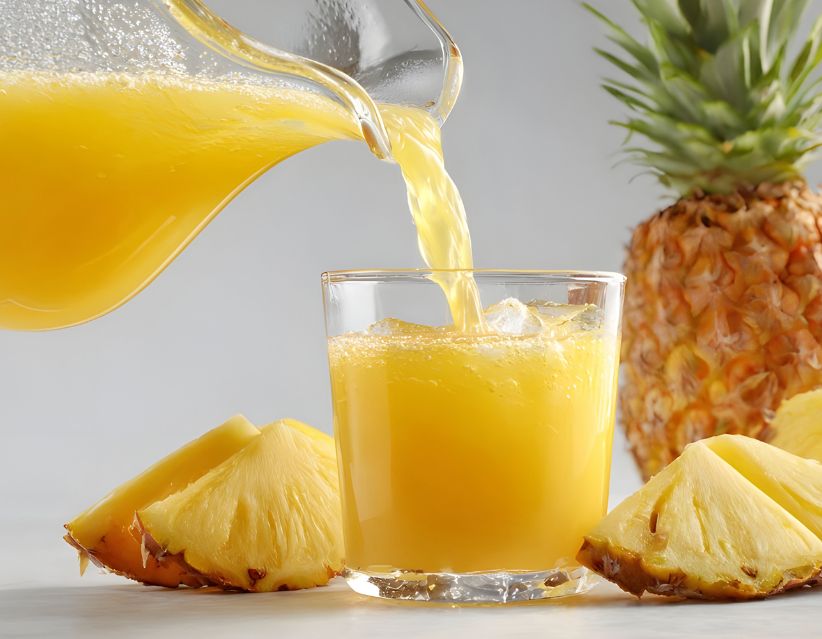
I still remember the morning I found my grandfather sipping on a tall glass of bright yellow pineapple juice at breakfast. When I asked him about it, my grandmother pulled out her worn notebook filled with health remedies she’d been collecting for years. That conversation sent me down a research rabbit hole about whether pineapple juice is actually good for us or just another sugary drink dressed up as healthy.
After weeks of reading studies, comparing nutrition labels at the grocery store, and even trying different versions myself, I learned that the answer isn’t simple. Pineapple juice can be incredibly nutritious, but it comes with some serious caveats that most people don’t know about.
Let me share everything I discovered.
Quick Answer: The Truth About Pineapple Juice
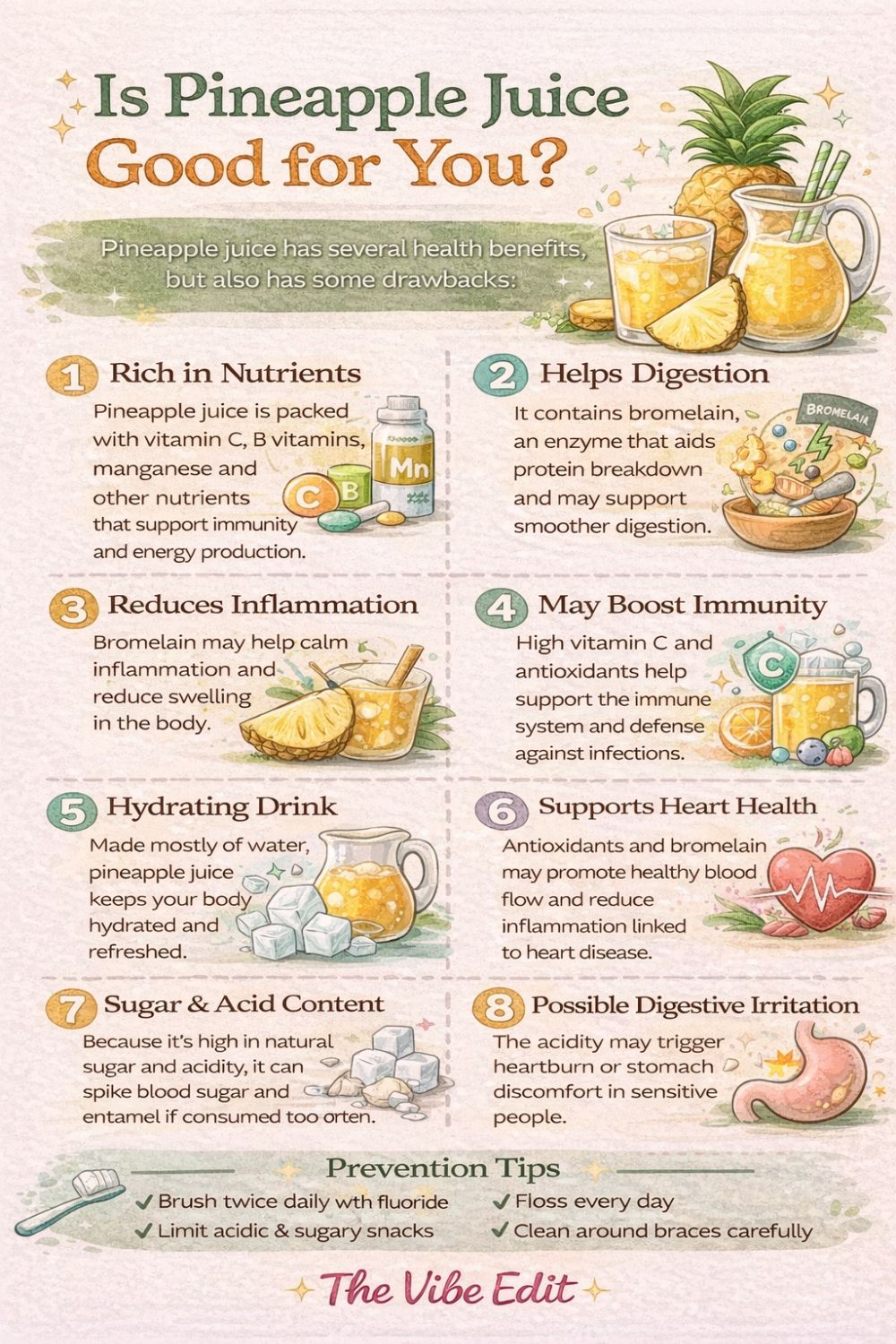
Pineapple juice can be healthy in moderation: it’s rich in vitamin C, manganese and bromelain (an enzyme linked to digestion and lower inflammation), but it’s high in natural sugar, so drink small portions or dilute it, especially if you watch blood sugar.
That’s the short version. But stick with me because there’s so much more to this story, especially if you’re dealing with specific health conditions or medications.
What’s Actually in a Glass of Pineapple Juice?
Before diving into benefits and risks, let’s look at what you’re actually drinking. I was shocked when I first compared the numbers.
Nutrition Facts for 1 Cup (8 fl oz) of Unsweetened Pineapple Juice
| Nutrient | Amount | % Daily Value |
|---|---|---|
| Calories | 132 | – |
| Total Sugar | 25g | – |
| Vitamin C | 25mg | 28% |
| Manganese | 1.3mg | 63% |
| Thiamin (B1) | 0.1mg | 9% |
| Folate | 45mcg | 11% |
| Potassium | 325mg | 7% |
Source: USDA FoodData Central
When I first saw that 25 grams of sugar in just one cup, I had to double-check. That’s about 6 teaspoons of sugar, which is more than half the daily limit recommended for women. And yes, it’s natural sugar, but your body processes it similarly to added sugar when it comes without fiber.
The vitamin C content is decent but not exceptional. One cup gives you about a quarter of your daily needs. The real star here is manganese, delivering over half your daily requirement in a single serving.
The Real Benefits: What Pineapple Juice Can Do for You
After going through countless studies and trusted health sources, I found that pineapple juice does offer legitimate health benefits. Here’s what actually has scientific backing.
Supports Digestive Health
This is where bromelain enters the picture. My grandmother’s notebook mentioned this enzyme multiple times, and for good reason.
Bromelain is a mixture of digestive enzymes found naturally in pineapple. Research published in Biotechnology Research International shows it can help break down protein molecules, making them easier for your body to absorb. When I started drinking a small glass before heavier meals, I noticed less of that uncomfortable bloated feeling afterward.
However, here’s something important: fresh pineapple juice contains more bromelain than canned or processed versions. The heat used in canning destroys some of these enzymes. If you’re drinking it specifically for digestion support, fresh is worth the extra effort.
Reduces Inflammation in the Body
The anti-inflammatory properties of bromelain caught my attention because inflammation is linked to so many chronic health issues. Studies from Healthline’s medical review team indicate that bromelain may help reduce swelling and pain, particularly after surgery or injury.
I’m not saying pineapple juice will cure arthritis or replace your medication. But research suggests that the bromelain in pineapple might help reduce markers of inflammation in your body when consumed regularly in moderate amounts.
Boosts Immune Function
With vitamin C and other antioxidants, pineapple juice does support immune health. Your body needs vitamin C to produce white blood cells that fight infection and protect cells from damage.
During cold season last year, I started having a small glass a few times a week. Did it prevent every sniffle? No. But vitamin C does play a real role in keeping your immunity strong, especially when combined with other healthy habits.
Provides Essential Minerals
The manganese content in pineapple juice is genuinely impressive. This trace mineral supports bone health, wound healing, and metabolism. Many people don’t get enough manganese in their diets, so pineapple juice can help fill that gap.
The Risks: Why You Need to Be Careful
Here’s where my research took a serious turn. Pineapple juice isn’t just harmless tropical goodness. There are real risks, especially for certain people.
The Sugar Problem You Can’t Ignore
Let’s talk about that sugar content again. At 25 grams per cup, you’re getting a significant glycemic index impact. I tested my blood sugar after drinking a full cup on an empty stomach, and I felt the spike and crash about an hour later.
For people managing diabetes or watching their blood sugar, this is crucial information. Unlike eating whole pineapple, which comes with fiber to slow sugar absorption, juice delivers that sugar rapidly into your bloodstream.
Drug Interactions with Blood Thinners
This one really matters. Bromelain can increase bleeding risk when combined with blood-thinning medications like warfarin, aspirin, or clopidogrel. My grandfather takes a blood thinner, which is why my grandmother was so careful about researching this.
If you’re on any anticoagulant medication, talk to your doctor before making pineapple juice a regular part of your routine. The interactions aren’t theoretical, they’re documented and potentially dangerous.
Allergies and Sensitivities
Some people develop oral allergy syndrome from pineapple, experiencing tingling or itching in the mouth and throat. I have a friend who can’t drink it at all because of this reaction.
Additionally, if you’re allergic to latex or certain pollens, you might have cross-reactivity with pineapple. These side effects are worth knowing before you stock up.
Tooth Enamel Erosion
The acidity in pineapple juice can wear down tooth enamel over time. I learned this the hard way after drinking it daily for two weeks and noticing increased sensitivity. Now I always rinse my mouth with water afterward or drink it through a straw.
Fresh vs Canned vs Concentrate: Which Should You Choose?
Standing in the juice aisle, staring at dozens of options, I realized most people have no idea what they’re actually buying.
Fresh Pineapple Juice
This is what I make at home now. You get the most bromelain, no added preservatives, and you control exactly what goes in. The downside? It takes effort and fresh pineapples aren’t always cheap.
Canned Pineapple Juice
Convenient and shelf-stable, but the canning process reduces enzyme content. Check labels carefully because many canned versions add sugar or use pineapple from concentrate, which changes the nutritional profile. Some cans also have BPA in the lining, though many brands have moved away from this.
Concentrate
Concentrated pineapple juice has had water removed, then water is added back before packaging. The heating process destroys much of the vitamin C and bromelain. You’re basically getting pineapple-flavored sugar water with minimal nutritional benefit.
Smoothies with Pineapple
This is my favorite option now. Blending whole pineapple into smoothies gives you the fiber that’s missing from juice, which helps slow sugar absorption. I combine it with spinach, banana, and a protein source for a balanced drink.
How to Drink Pineapple Juice the Smart Way
After all my research and experimentation, here’s what actually works for getting benefits while minimizing risks.
Serving Size Matters
Forget the huge glasses. A proper serving size is 4 to 6 fluid ounces, about half a cup. This gives you nutrients without overwhelming your system with sugar.
I keep small juice glasses specifically for this. It helps with portion control and makes the experience feel special rather than like I’m chugging a beverage.
Dilution is Your Friend
My go-to method now: dilute pineapple juice 1:1 with water or sparkling water. This cuts the calories and sugar in half while still giving you flavor and nutrients. Sometimes I add a squeeze of lime for extra brightness.
Timing Strategies
Drinking pineapple juice on an empty stomach can cause discomfort for some people because of the acidity and enzymes. I have mine with or right after a meal that includes protein and fiber. This slows sugar absorption and puts those digestive enzymes to work.
Simple Recipe Ideas
Here are three ways I incorporate pineapple juice without overdoing it:
- Morning Booster: 3 oz pineapple juice, 3 oz coconut water, handful of spinach, half a banana, blended with ice.
- Afternoon Refresher: 4 oz pineapple juice mixed with 4 oz sparkling water and fresh mint leaves.
- Post-Workout Mix: 3 oz pineapple juice, 5 oz water, pinch of sea salt for electrolyte balance.
What the Science Actually Says
I spent hours reading research papers, and here’s what you need to know about the evidence.
Bromelain Research: Human vs Animal Studies
Most bromelain studies showing dramatic effects were done on animals or in test tubes. Human research is more limited and shows modest benefits.
- What works: Studies show bromelain supplements may help reduce swelling after surgery and ease osteoarthritis pain in some people.
- What’s unclear: Whether the amount of bromelain you get from drinking juice is enough to produce these effects. Supplements contain concentrated doses far higher than what’s in a glass of juice.
- What doesn’t work: Claims that pineapple juice can cure cancer, dissolve blood clots, or replace medications have no solid scientific support.
Anti-Inflammatory Effects
Research from the National Institutes of Health indicates that bromelain does have anti-inflammatory properties, but most positive studies used isolated bromelain supplements, not whole juice.
Think of it this way: drinking pineapple juice might provide some anti-inflammatory support as part of an overall healthy diet, but it’s not medicine.
Practical Daily Guidance
Based on everything I learned, here are my recommendations for real-life use.
Daily Limits
Keep total juice intake (all types, not just pineapple) to 4 to 6 ounces per day maximum. The American Heart Association recommends limiting sugar intake, and juice can quickly put you over those limits.
Combining with Whole Foods
Always pair pineapple juice with protein, healthy fats, or fiber-rich foods. This prevents blood sugar spikes and helps you feel satisfied. I often have my small glass alongside a handful of nuts or with breakfast that includes vegetables.
Considerations for Children
Kids love the sweet taste, but their smaller bodies need even smaller portions. A 2 to 3 ounce serving is plenty for children, and it should count as one of their daily fruit servings, not an extra.
My nephew gets excited about “special juice” on weekends, which keeps it as an occasional treat rather than a daily habit.
Special Populations
- Pregnant women: Pineapple juice in normal food amounts is generally safe, but excessive bromelain intake might cause uterine contractions. Stick to small servings and talk to your healthcare provider.
- People with GERD: The acidity might trigger reflux symptoms. Notice how your body responds.
- Anyone with kidney issues: The potassium content might be a concern. Check with your doctor.
My Final Thoughts
So, is pineapple juice good for you? After all this research, my answer is: it can be, but only when you’re smart about it.
Pineapple juice offers real pineapple juice benefits including vitamin C, manganese, and bromelain for digestive support. But the pineapple juice sugar content means you can’t treat it like water. The key is moderation, dilution, and awareness of potential pineapple juice side effects.
I still keep pineapple juice in my kitchen, but my approach has completely changed. Instead of big glasses with meals, I use it as a flavorful addition to smoothies or dilute small amounts as a refreshing drink. I choose fresh when possible and always check how my body responds.
The information my grandmother collected in her notebook was right: natural remedies have value, but understanding how to use them properly makes all the difference. Pineapple juice isn’t a miracle cure or a dietary villain. It’s simply a food that deserves respect for both its benefits and its drawbacks.
If you’re going to drink it, do it thoughtfully. Pay attention to pineapple juice nutrition facts, watch your portions, and listen to your body. That’s the approach that works for me, and it’s the approach backed by actual science rather than wishful thinking.
Frequently Asked Questions
Is pineapple juice healthy?
In moderation, yes. It supplies vitamin C, manganese and bromelain but is high in natural sugar. Treat it as a fruit serving, not a beverage to drink freely throughout the day.
How much pineapple juice should I drink daily?
Keep to about 4 to 6 fluid ounces (half a cup) or dilute it to limit sugar. This amount provides nutrients without excessive sugar intake.
Does pineapple juice help digestion?
Bromelain can aid protein digestion in some people, though juice contains smaller enzyme amounts than supplements. Fresh juice has more active enzymes than processed versions.
Is pineapple juice bad for diabetics?
It can raise blood sugar significantly. Check portions carefully and pair with protein or fiber, or avoid concentrated servings altogether. Monitor your blood sugar response.
Are there any medications to avoid with pineapple juice?
People on blood thinners should consult a healthcare provider because bromelain may increase bleeding risk. This interaction is well-documented and potentially serious.
Two Quick Tips
- Dilute 1:1 with water or sparkling water to cut sugar impact while keeping the flavor. This simple trick makes pineapple juice much more blood-sugar friendly.
- Prefer fresh over concentrate and include a fiber-rich snack to blunt blood sugar spikes. The fiber slows absorption and helps prevent the sugar crash that often follows drinking juice alone.