
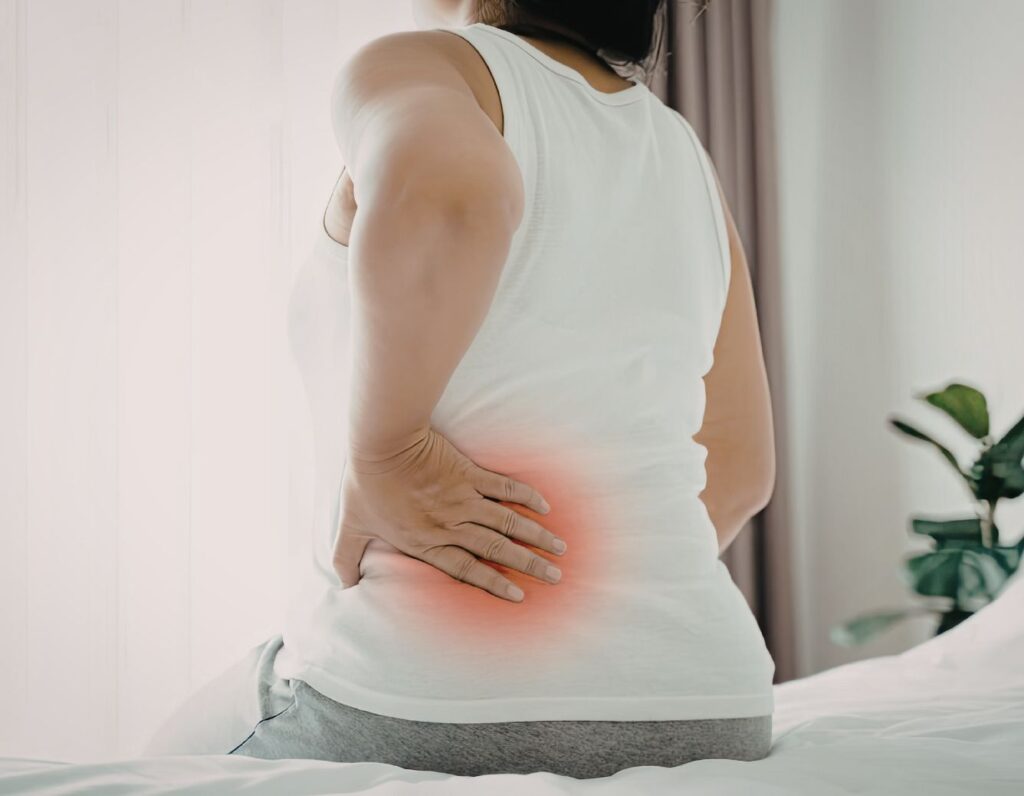
I never thought I’d be that person doubled over in pain, unable to straighten up after a simple grocery run. But there I was, 25 and dealing with lower back pain that made me feel decades older. Watching my mom go through similar struggles, I realized this wasn’t just my problem. It’s something so many women face, yet we rarely talk about what’s actually happening in our bodies.
That’s why I’m writing this. Not as a doctor, but as someone who’s been there, done the research, and learned from experience. If you’re reading this because your back hurts and you want real answers, you’re in the right place.
Understanding Lower Back Pain in Women
Lower back pain in women often stems from muscle strain, herniated discs, or female-specific issues such as menstrual cramps, endometriosis, pregnancy, fibroids, or ovarian cysts. Promptly seek medical care for severe, worsening, or nerve-related symptoms.
When my pain first started, I thought it was just from sitting too long at work. Turns out, women’s bodies are different, and our lower back pain causes can be totally unique from what men experience. I wish someone had told me this sooner.
The thing is, your lower back (the lumbar region) carries most of your upper body weight. Add in hormones, monthly cycles, potential pregnancy, and different pelvic structures, and you’ve got a perfect storm for pain.
Why This Matters More Than You Think
About 80% of people deal with back pain at some point. But for us women? We’ve got extra factors that doctors don’t always consider right away. I spent months getting generic advice before someone finally asked about my menstrual cycle. That conversation changed everything.
In this guide, I’m sharing what I learned through research, doctor visits, and yes, some trial and error. You’ll understand what might be causing your pain, when you absolutely need to see a doctor, and what actually helps (spoiler: it’s not just “rest and take ibuprofen”).
What You’ll Learn Here
Here’s what we’re covering, based on questions I had and answers I found:
The main causes of lower back pain in females, including both spine issues and women-specific problems. Red flags that mean you need immediate medical attention. Treatment options that actually work, from home remedies to medical interventions. Prevention strategies I use daily. Real answers to common questions women ask about back pain.
Let’s get into it.
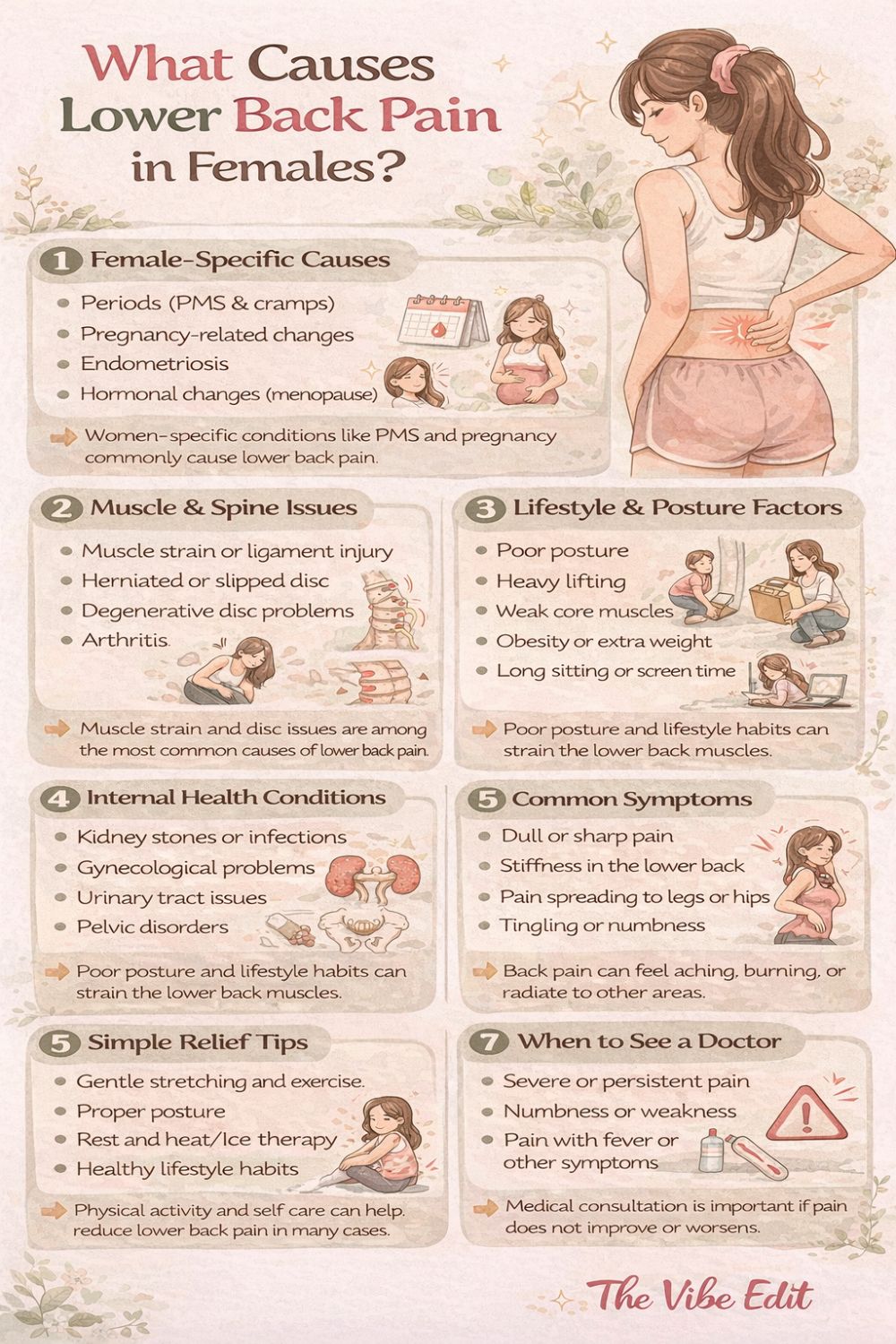
The Real Causes of Lower Back Pain in Women
General Causes (The Usual Suspects)
These affect everyone, but knowing them helps you rule things in or out.
Muscle Strain and Ligament Sprains
This is the most common cause. I learned this the hard way after helping a friend move apartments. Lifting heavy boxes with terrible form left me barely able to walk the next day.
Your lower back muscles and ligaments can get strained from sudden movements, heavy lifting, poor posture, or even just awkward sleeping positions. The pain usually feels like a dull ache or sharp spasm. It typically gets better within a few weeks with proper care.
Herniated Disc Problems
Think of your spinal discs as little cushions between your vertebrae. When one of these cushions bulges out or ruptures, it can press on nerves. This creates pain that might shoot down your leg (that’s sciatica).
A herniated disc feels different from muscle pain. It’s often sharper, might cause numbness or tingling, and can make certain movements really painful. If you have this, you’ll probably know something more serious is going on.
Degenerative Joint Issues
As we age, the cartilage in our spine can wear down. This is arthritis, and while it sounds scary, it’s actually pretty common. The pain tends to be worse in the morning and after sitting for a while.
Sciatica in Women
When that sciatic nerve gets compressed, you feel it from your lower back all the way down your leg. For women, this can happen during pregnancy or from pelvic floor weakness. The pain often feels like an electric shock running down one leg.
Female-Specific Causes (What Makes Us Different)
This is where things get interesting. These causes are unique to people with female reproductive systems, and they’re often overlooked.
Menstrual Lower Back Pain (Dysmenorrhea Back Pain)
If your back pain follows your monthly cycle, pay attention. I tracked mine for three months and found a clear pattern. The pain would start a day before my period and last about three days.
Dysmenorrhea (painful periods) causes your uterus to contract, and those contractions can trigger lower back pain. The pain feels like a deep, cramping ache in your lower back and sometimes radiates to your thighs. Some months it was manageable. Other months, I needed heat packs and couldn’t focus on anything else.
Endometriosis Back Pain Symptoms
This condition deserves way more attention than it gets. Endometriosis happens when tissue similar to your uterine lining grows outside your uterus. It can attach to your ovaries, bowel, or even the area behind your uterus.
The endometriosis back pain is different from regular menstrual pain. It’s often more severe, happens throughout your cycle (not just during your period), and might worsen during intercourse. If you have pain that feels out of proportion to normal period cramps, especially with pelvic pain and lower back issues together, talk to your gynecologist.
Pregnancy-Related Lower Back Pain
Lower back pain during pregnancy is almost expected, but that doesn’t make it easier. Your body produces relaxin, a hormone that loosens your ligaments to prepare for childbirth. This makes your spine less stable.
Plus, as your baby grows, your center of gravity shifts forward. Your lower back curves more to compensate, putting strain on muscles and ligaments. My sister dealt with this through both her pregnancies. She found that prenatal yoga and a support belt helped tremendously.
Fibroids
Uterine fibroids are non-cancerous growths in or on the uterus. Depending on their size and location, they can press on nerves and cause lower back pain. The pain might be constant or come and go, and you might also notice heavy periods or pelvic pressure.
Ovarian Cyst Back Pain
Ovarian cysts are fluid-filled sacs on the ovaries. Most are harmless and go away on their own, but larger ones can cause problems. The back pain from cysts often appears on one side, comes on suddenly, and might be accompanied by pelvic pain or bloating.
I had a cyst rupture once. The pain was intense and sharp, completely different from muscle strain. If you experience sudden, severe pain, especially with nausea or fever, get medical help immediately.
Pelvic Inflammatory Disease (PID)
PID is an infection of the reproductive organs, usually caused by sexually transmitted bacteria. Along with pelvic pain, it can cause lower back pain, fever, unusual discharge, and pain during sex. This needs prompt antibiotic treatment.
Pelvic Floor Weakness
Your pelvic floor muscles support your bladder, bowel, and uterus. When these muscles weaken (from childbirth, aging, or chronic straining), it can affect your posture and contribute to lower back pain. Many women don’t realize this connection exists.
How to Tell What’s Causing Your Pain
I made a simple tracking system that helped me figure things out. Here’s what to note:
When does your pain happen? (Before periods, after exercise, randomly) What does it feel like? (Aching, sharp, shooting, cramping) Where exactly is it? (One side, both sides, radiates down legs) What makes it better or worse? (Heat, movement, rest, certain positions) Are there other symptoms? (Bleeding, fever, numbness, tingling)
This information is gold when you see a doctor. It took me three visits before I started tracking properly, and once I did, my doctor immediately knew what tests to order.
Red Flags: When to See a Doctor Immediately
Some symptoms mean you need medical attention now, not later:
Fever along with back pain (could indicate infection) Loss of bladder or bowel control (potential nerve emergency) Numbness or weakness in your legs (nerve compression) Pain after a fall or injury (possible fracture) Severe pain that doesn’t improve with rest (needs investigation) Unexplained weight loss with back pain (rule out serious conditions) Back pain with vaginal bleeding outside your period
I don’t want to scare you, but these symptoms need professional evaluation. Better safe than sorry.
What to Expect During Diagnosis
When you finally see a doctor, they’ll likely:
Ask about your medical history and symptoms Do a physical examination (checking your spine, posture, range of motion) Possibly order imaging (X-rays, MRI, or ultrasound) Run blood tests if infection is suspected Perform a pelvic exam if gynecologic causes are suspected
For my endometriosis diagnosis, I needed an ultrasound and eventually a laparoscopy. The process took months, which was frustrating, but getting answers made treatment so much more effective.
Lower Back Pain Treatment for Women
What Actually Works at Home
I tried everything, and here’s what genuinely helped:
Movement (Yes, Movement)
This seems counterintuitive when you’re in pain, but gentle movement prevents stiffness. I started with 5-minute walks and gradually increased. Swimming and yoga became my favorites because they’re low-impact.
The key word is gentle. Don’t push through sharp pain, but do keep moving within your comfort zone.
Heat and Ice Therapy
Use ice for the first 48 hours after a new injury (reduces inflammation). After that, heat works better for muscle pain. I keep both a heating pad and ice packs ready.
For menstrual lower back pain, heat is my go-to. Twenty minutes of a heating pad makes a noticeable difference.
Pelvic Floor Exercises
These aren’t just for after childbirth. Strengthening your pelvic floor supports your entire core and can reduce back strain. Kegel exercises are a good start, but consider seeing a pelvic floor physical therapist for a proper assessment.
Proper Posture
I set hourly reminders to check my posture. When sitting, keep your feet flat on the floor, your back supported, and your screen at eye level. It sounds basic, but it matters.
Stretching
Gentle stretches for your hamstrings, hip flexors, and lower back can provide relief. The cat-cow yoga pose helped me more than I expected. Hold stretches for 20-30 seconds, breathe deeply, and don’t bounce.
Over-the-Counter Pain Relief
NSAIDs like ibuprofen can help with lower back pain and inflammation. I use these during my period when back pain flares up. Always follow the dosage instructions and check with your doctor if you have any health conditions.
Medical Treatments
When home care isn’t enough, these options exist:
Physical Therapy
A physical therapist can create a personalized exercise program, teach you proper body mechanics, and use techniques like massage or ultrasound therapy. This made a huge difference for my chronic pain.
Hormonal Treatments
For pain related to endometriosis, fibroids, or menstrual lower back pain, hormonal birth control might help. These regulate or suppress your menstrual cycle, reducing pain triggers.
Prescription Medications
For severe pain, your doctor might prescribe muscle relaxants, stronger pain relievers, or nerve pain medications. These are typically short-term solutions while you address the underlying cause.
Injections
Epidural steroid injections can reduce inflammation around compressed nerves. For sciatica or herniated disc pain, these provide relief when other treatments haven’t worked.
Surgery
This is usually a last resort. Conditions like severe endometriosis, large fibroids, or significant disc problems might require surgical intervention. Most cases improve with conservative treatment first.
Alternative Therapies
Some people find relief through:
Acupuncture Chiropractic care Massage therapy Mind-body techniques like meditation
I tried acupuncture and found it surprisingly helpful for chronic pain. Your mileage may vary, but these options are worth considering if standard treatments aren’t enough.
Prevention: What I Wish I’d Known Earlier
Prevention is way easier than treatment. Here’s what works:
Stay Active
Regular exercise strengthens your core and back muscles. I aim for 30 minutes most days, mixing cardio, strength training, and flexibility work.
Maintain a Healthy Weight
Extra weight puts additional stress on your lower back. I’m not talking about being super thin, just maintaining a weight that’s healthy for your body.
Practice Good Ergonomics
Whether you’re at a desk, driving, or doing housework, pay attention to your body position. Invest in a good chair, adjust your car seat properly, and lift heavy objects with your legs, not your back.
Strengthen Your Core
Your core muscles support your spine. Planks, bridges, and bird dogs are simple exercises that make a real difference. I do these three times a week for about 10 minutes.
Listen to Your Body
This is the hardest one. We’re taught to push through pain, but that often makes things worse. If something hurts, stop and assess. Rest isn’t weakness; it’s smart.
Manage Stress
Stress causes muscle tension, which can worsen back pain. I use deep breathing, journaling, and regular breaks from screens to keep stress manageable.
Pregnancy-Specific Tips
If you’re pregnant or planning to be, consider prenatal yoga, wear supportive shoes, sleep on your side with a pillow between your knees, and use a pregnancy support belt if needed.
My Personal Journey and What Helped
Looking back, my biggest mistake was ignoring the pain for too long. I thought it would just go away on its own. It didn’t.
What changed everything was tracking my symptoms and connecting them to my menstrual cycle. Once I saw the pattern, my doctor could properly investigate. Turns out, I had a combination of pelvic floor weakness and hormone-related inflammation.
My treatment plan included pelvic floor physical therapy (game-changer), hormonal birth control to regulate my cycle, core strengthening exercises, and being way more mindful of my posture and movement patterns.
Did it fix everything overnight? No. But within three months, my pain decreased by about 70%. Six months in, I had more good days than bad days. Now, a year later, I know how to manage it.
Frequently Asked Questions
Can my period cause lower back pain?
Absolutely. Dysmenorrhea and PMS commonly cause cyclical lower back pain around your period. The uterine contractions during menstruation can trigger pain that radiates to your lower back. If your pain is severe or significantly different from what you normally experience, talk to your doctor about potential underlying conditions.
Could lower back pain be endometriosis?
Yes, endometriosis can cause pelvic and lower back pain, especially if the pain worsens during your period or with intercourse. The tissue growths associated with endometriosis can irritate surrounding structures, including nerves in the pelvic area. If you suspect this, a gynecologic evaluation with imaging may be necessary for proper diagnosis.
When should I see a doctor for lower back pain?
See a doctor promptly if you experience fever with back pain, numbness or weakness in your legs, loss of bladder or bowel control, severe unrelenting pain, or pain after trauma. Also seek care if your pain persists beyond a few weeks, significantly interferes with daily activities, or you notice unusual symptoms like unexplained weight loss.
Is pregnancy-related back pain normal?
Yes, lower back pain during pregnancy is very common. Hormonal changes that loosen ligaments, weight gain, shifted center of gravity, and postural changes all contribute to back discomfort. Pelvic floor and posture exercises, prenatal physical therapy, supportive footwear, and pregnancy support belts help most people manage this pain effectively.
What home measures help most?
Keep moving with gentle, low-impact activities. Use heat or ice therapy as appropriate (ice for new injuries, heat for muscle tension). Practice pelvic floor and core strengthening exercises. Avoid prolonged sitting or standing. Maintain good posture throughout the day. Consider short courses of OTC NSAIDs like ibuprofen if they’re safe for you.
Two Quick Tips That Changed Everything for Me
Tip 1: Track Your Pain Pattern
I cannot stress this enough. Track your pain versus your menstrual cycle for two to three months. Note when it starts, how severe it is, and any other symptoms. This pattern is incredibly valuable information that can point directly to a gynecologic cause or rule it out completely. I use a simple note on my phone, but any tracking method works.
Tip 2: Check for Nerve Involvement
If your pain radiates below the knee or causes leg weakness, numbness, or tingling, get clinical review soon. These symptoms suggest nerve compression from conditions like a herniated disc or sciatica. Nerve issues can worsen if left untreated, so early evaluation and treatment are important for the best outcomes.
Final Thoughts
Lower back pain in females is incredibly common, but that doesn’t mean you have to just live with it. Understanding the potential causes, from muscle strain and herniated discs to endometriosis, ovarian cysts, and pregnancy-related changes, helps you take the right steps toward relief.
I wrote this because I remember feeling lost, frustrated, and like no one really understood what I was going through. If that’s where you are right now, know that you’re not alone, and there are real solutions.
Start by tracking your symptoms, try the home care measures that make sense for your situation, and don’t hesitate to seek medical care when you need it. Your body is telling you something, and it deserves to be heard.
Take care of yourself. You’ve got this.
Medical Disclaimer: This article is based on personal experience and research. It is not a substitute for professional medical advice, diagnosis, or treatment. Always consult your healthcare provider for medical concerns, especially for persistent or severe pain.
Sources Referenced:
- Healthline: Lower back pain causes in females
- Mayo Clinic: Back pain symptoms and causes
- Medical News Today: Lower back pain in females causes and treatment
- Cleveland Clinic: Lower back pain causes, symptoms, and treatment