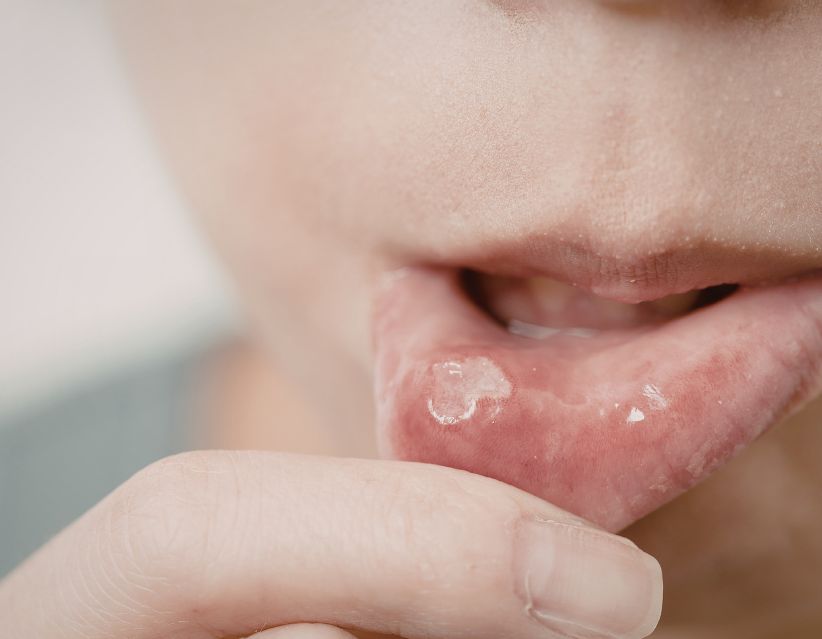
I’ll never forget the panic I felt three days before my best friend’s wedding when I woke up with that familiar tingling sensation on my upper lip. You know the one, that annoying tingle that signals a cold sore is about to ruin your week. I immediately started searching for answers: what kills cold sores instantly? The truth is nothing works overnight, but I learned some strategies that helped me show up to that wedding feeling confident.
After dealing with cold sores since my teens and watching my grandfather struggle with frequent outbreaks, I’ve learned what actually works and what’s just wishful thinking. Let me share everything I discovered about treating these viral blisters quickly and effectively.
Quick Answer: Can You Kill a Cold Sore Instantly?
Treat at the first tingle: apply an OTC docosanol cream (e.g., Abreva) and use cold compresses for pain. For faster healing or frequent outbreaks, see a doctor for oral antivirals (acyclovir or valacyclovir) to shorten duration and reduce symptoms.
The honest truth? Nothing kills cold sores instantly. These viral infections caused by HSV-1 (herpes simplex virus) need time to run their course. However, starting treatment at the prodrome stage—that initial tingling—can significantly reduce healing time and severity.
Understanding Cold Sores: Why They Happen
Cold sores are caused by the herpes simplex virus type 1 (HSV-1), which lives dormant in your nerve cells after the initial infection. About 67% of people worldwide under age 50 carry this virus, according to the World Health Organization.
Common Triggers That Wake the Virus
Through my own experiences and research, I’ve identified several triggers:
- Stress (like wedding deadlines or work pressure)
- Illness or weakened immune system
- Sun exposure without lip protection
- Hormonal changes during menstrual cycles
- Fatigue or lack of sleep
- Injury to the lip area
The prodrome or tingle stage is your golden window. This is when the virus is reactivating but before visible blisters appear. Catching it here gives you the best chance to minimize the outbreak.
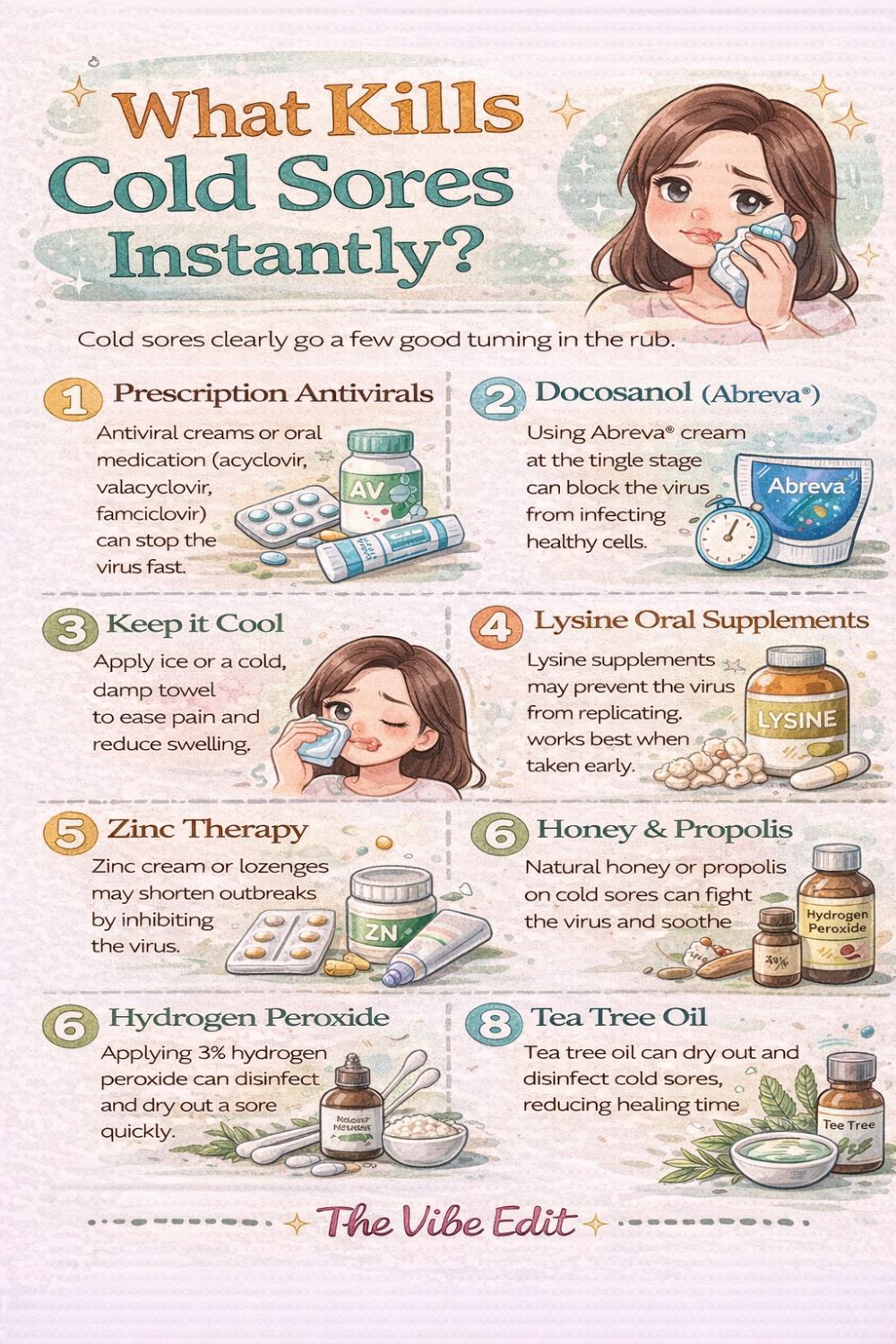
First 24-48 Hours: Immediate Steps That Actually Help
When I felt that tingle before the wedding, I immediately sprang into action. Here’s what dermatologists and my own trial-and-error have taught me works best:
What to Do Right Away
Apply treatment immediately.Don’t wait to see if it’s really a cold sore. If you feel that tingling, start treatment within the first few hours. The faster you act, the better your results.
Use ice or cold compresses. I applied a clean, cold compress for 10 to 15 minutes every few hours. This provides pain relief, reduces inflammation, and feels soothing. The cold temperature can also slow viral replication slightly.
Keep the area clean and dry. Gently wash with mild soap and water, then pat dry. Avoid touching the area unnecessarily, as this can spread the virus to other parts of your face or to other people.
Start an OTC or prescription antiviral. More on specific products below, but this is crucial. The treatment window is small, so act fast.
What NOT to Do
- Don’t pick, pop, or peel. I know it’s tempting, but this spreads the virus, delays healing, and increases scarring risk.
- Avoid sharing. Keep your lip products, utensils, towels, and drinks to yourself. HSV-1 spreads easily through direct contact.
- Skip the harsh remedies. Rubbing alcohol, hydrogen peroxide, or toothpaste might seem logical, but they irritate the skin without killing the virus effectively.
OTC Options Explained: What Works at the Drugstore
After my wedding experience, I became focused on understanding every OTC cold sore treatment available. Here’s what I discovered:
Docosanol (Abreva): The Top OTC Choice
Abreva was my go-to product, and for good reason. It contains 10% docosanol, the only FDA-approved OTC ingredient proven to shorten cold sore healing time.
- How it works: Docosanol prevents the virus from entering healthy cells. When I used it at first sign of tingling, my outbreak was less severe.
- The manufacturer’s data: Clinical studies show that when applied during the prodrome stage, Abreva can reduce healing time to a median of 4.1 days compared to 4.8 days with placebo. About 25% of users who start early heal in approximately 2.5 days.
- How to use: Apply it five times daily until the cold sore heals. I set phone reminders because consistency matters. The tube is small but works well, a little goes a long way.
- Cost consideration: Abreva runs about fifteen to twenty dollars at CVS or Walgreens, which felt steep initially, but I found it worth the investment for faster relief.
Other OTC Products Worth Knowing
- Cold sore patches: These hydrocolloid patches (like Compeed) protect the lesion, hide it cosmetically, and create a moist healing environment. I wore one under makeup for the wedding, and it was barely noticeable.
- Anesthetic gels: Products with benzocaine or lidocaine provide temporary numbing and pain relief. They don’t speed healing but make eating and talking more comfortable during painful stages.
- Lip balms with SPF: Sun exposure triggers outbreaks for many people, including me. I now use SPF 30+ lip balm daily for prevention.
After my third outbreak in six months, I finally visited a dermatologist. She explained that oral antivirals are generally more effective than topical treatments for reducing duration and viral shedding.
- Acyclovir (Zovirax): The original antiviral for HSV-1. Typical dosing is 400 mg five times daily for five days when taken at outbreak onset. Studies show it can reduce healing time by 1 to 2 days compared to placebo.
- Valacyclovir (Valtrex): My dermatologist prescribed this one. It’s a prodrug of acyclovir with better absorption, meaning fewer daily doses. I took 2 grams twice daily for one day at the first tingle, which research shows is as effective as longer courses.
- Famciclovir (Famvir): Another option with similar effectiveness. Standard dosing is 1,500 mg as a single dose or 750 mg twice daily for one day.
- The evidence: A comprehensive review in the Journal of the American Medical Association found oral antivirals significantly reduce healing time, pain duration, and viral shedding when started during the prodrome stage.
- My experience: Taking valacyclovir at the first sign stopped my outbreak from progressing beyond a small bump. The difference was dramatic compared to waiting it out with topical treatments alone.
- Penciclovir (Denavir): Applied every two hours while awake for four days. Clinical studies comparing topical antivirals found penciclovir cream generally more effective than acyclovir cream in reducing healing time.
- Acyclovir cream: The topical version works but requires frequent application and shows modest results. Research indicates acyclovir cream performs better than docosanol in controlled comparisons, though both have their place.
- When to ask for prescriptions: If you have frequent outbreaks (more than six yearly), severe lesions, or a weakened immune system, talk to your doctor about suppressive therapy with daily oral antivirals.
Natural and Home Remedies: What Helps, What’s Hype
I’ve learned to combine traditional approaches with evidence-based medicine for cold sores.
Remedies with Some Evidence
- Lemon balm (Melissa officinalis): Studies suggest topical lemon balm may reduce healing time and prevent spreading. I make a compress with cooled lemon balm tea and apply it several times daily for soothing relief.
- Aloe vera gel: Pure aloe has anti-inflammatory properties that ease discomfort. While it won’t kill the virus, it moisturizes and soothes cracked, painful lesions.
- Lysine: This amino acid has mixed research. Some studies suggest lysine supplements (1,000 to 3,000 mg daily) may reduce outbreak frequency or severity by competing with arginine, which the virus needs to replicate. I take 1,000 mg daily during outbreaks, though evidence remains inconsistent.
- Cold compresses: Simple but effective for pain relief and reducing inflammation. I alternate 10 minutes on, 10 minutes off throughout the day.
Remedies to Approach Cautiously
- Tea tree oil: While antibacterial, it can irritate sensitive lip skin. If you use it, dilute properly and test on a small area first.
- Propolis: Some research shows antiviral properties, but quality varies significantly between products.
- Peppermint oil: May have antiviral effects in lab studies, but human evidence is limited and it can cause burning.
What Doesn’t Work
- Toothpaste: Despite internet claims, there’s no evidence this helps. It may dry and irritate the area.
- Nail polish remover or rubbing alcohol: Harsh and potentially damaging to delicate lip tissue without antiviral benefit.
- Essential oils alone: While some have antiviral properties in laboratory settings, they shouldn’t replace proven treatments like antivirals.
Healing Timeline: What to Expect with Different Treatments
Understanding realistic healing times helped me manage expectations. Here’s what research and clinical experience show:
Comparative Healing Times
| Treatment Type | Average Healing Time | Symptom Relief | |
|---|---|---|---|
| No treatment | 7 to 10 days | Minimal | |
| Docosanol (Abreva) | 4 to 5 days | Moderate | |
| Topical antivirals (penciclovir, acyclovir cream) | 4 to 6 days | Moderate | |
| Oral antivirals (acyclovir, valacyclovir) | 3 to 5 days | Significant | |
| Cold sore patches | 5 to 7 days | Good (protection + moisture) | |
| Home remedies alone | 7 to 10 days | Mild to moderate |
Important note: These times assume treatment started during prodrome or early blister stage. Once a cold sore fully develops, healing takes longer regardless of intervention.
Prevention and Recurrence Control
After getting my outbreaks under control, I focused on prevention. Here’s what’s worked:
Lifestyle Strategies
- Manage stress: I practice meditation and yoga, which reduced my outbreak frequency. Managing stress is important when dealing with work-life balance, especially since stress weakens your immune system. The mind-body connection with viral reactivation is real.
- Sun protection: I never leave home without SPF lip balm. UV exposure is my biggest trigger.
- Sleep hygiene: Prioritizing 7 to 8 hours nightly keeps my immune system strong.
- Nutrition: While I haven’t found definitive proof, I avoid foods high in arginine (nuts, chocolate) during outbreaks and focus on lysine-rich foods like legumes, dairy, and vegetables.
Medical Prevention Options
- Suppressive therapy: For people with frequent outbreaks (six or more yearly), daily low-dose oral antivirals can reduce recurrence by 70 to 80%. My cousin takes daily valacyclovir and has gone from monthly outbreaks to just one or two annually.
- Prescription at first sign: I keep valacyclovir on hand and start it immediately when I feel a tingle. This strategy has prevented full-blown cold sores several times.
- Vaccine research: While no vaccine exists yet, several candidates are in development. This gives hope for better prevention in the future.
When to See a Doctor: Red Flags
Most cold sores heal without complications, but certain situations require medical attention:
See a healthcare provider if:
- Outbreaks occur more than six times yearly
- Cold sores last longer than two weeks
- You develop severe pain or extremely large lesions
- The outbreak spreads near your eyes (ocular herpes is serious)
- You’re immunocompromised (HIV, chemotherapy, organ transplant)
- You develop fever, swollen lymph nodes, or other systemic symptoms
- You’re pregnant or breastfeeding and unsure about treatment safety
Emergency signs: Difficulty swallowing, breathing problems, or severe facial swelling require immediate care.
My Proven Strategy: What I Do Now
After years of trial and error, here’s my current approach that’s minimized my outbreaks:
- Daily prevention: SPF 30+ lip balm, stress management, adequate sleep, and 1,000 mg lysine supplement. Taking care of yourself through self-care routines helps keep your immune system strong.
- At first tingle: Take valacyclovir (kept in my medicine cabinet), apply Abreva immediately, and use cold compresses for comfort.
- During healing: Continue Abreva five times daily, use cold sore patches under makeup when needed, keep the area clean, and avoid touching.
- Long-term management: Track triggers in a journal, maintain healthy immune function, and don’t share personal items.
This systematic approach transformed my experience from dreading every tingle to feeling prepared.
Frequently Asked Questions
Q: Can a cold sore be killed instantly?
A: No. Nothing kills cold sores instantly. Early treatment shortens healing and reduces symptoms, but lesions still need days to resolve. The virus remains dormant in nerve cells permanently.
Q: Is Abreva the fastest OTC option?
A: Abreva (docosanol) is the top OTC option with manufacturer data showing faster healing when used at first sign. However, prescription oral antivirals like valacyclovir often work better overall for reducing duration and severity.
Q: Should I use home remedies?
A: Some home remedies like lemon balm and aloe can soothe pain and may provide modest benefits. Use them alongside, not instead of, proven antivirals for faster recovery and better outcomes.
Q: When are oral antivirals needed?
A: For severe, frequent (more than six yearly), or prolonged outbreaks, or if you’re immunocompromised, see a clinician for acyclovir or valacyclovir. They’re also helpful for preventing outbreaks during important events.
Q: Can supplements like lysine help?
A: Some studies suggest lysine may reduce frequency or severity for some people, though evidence remains mixed. Research shows benefits ranging from modest to none depending on the study. Talk to your provider before starting supplements, as they can interact with medications.
Two Quick Tips for Faster Healing
- Start treatment during the prodrome (tingling): This is when antivirals have the most impact. Don’t wait to see if it develops. The treatment window is narrow, and every hour counts for minimizing the outbreak.
- Avoid touching, sharing lip products, or kissing while lesions are active: HSV-1 spreads easily through direct contact. Wash hands frequently, don’t share utensils or drinks, and avoid intimate contact until completely healed to prevent spreading to others or other areas of your body.
Conclusion
While searching for what kills cold sores instantly led me down many paths, the real answer is simpler: there’s no instant cure, but smart, early action makes all the difference. The combination of immediate treatment at the prodrome stage with either OTC docosanol or prescription oral antivirals, proper wound care, and lifestyle prevention has changed how I handle cold sores.
Remember, healing time varies based on when you start treatment, your immune system, and the treatment method. Oral antivirals like acyclovir and valacyclovir offer the strongest evidence for reducing duration when taken early, while topical options like Abreva provide accessible relief without a prescription.
If you’re dealing with frequent or severe outbreaks, don’t suffer in silence. See a dermatologist or healthcare provider who can prescribe suppressive therapy or stronger medications. You deserve to feel confident and comfortable in your skin.
Have questions about treating cold sores? Always consult with a healthcare professional for personalized medical advice, especially if you have underlying health conditions or take other medications.